The Value of Early Learning Experiences
In a world that moves at a dizzying pace, it’s easy to overlook the quiet yet profound impact that early learning experiences can have on a child’s development.
From the moment a baby is born, they are like sponges, absorbing everything around them.
The sights, sounds, and interactions they encounter during their formative years play a crucial role in shaping who they will become. Understanding the value of these early experiences can help us appreciate the delicate foundation they lay for lifelong learning.
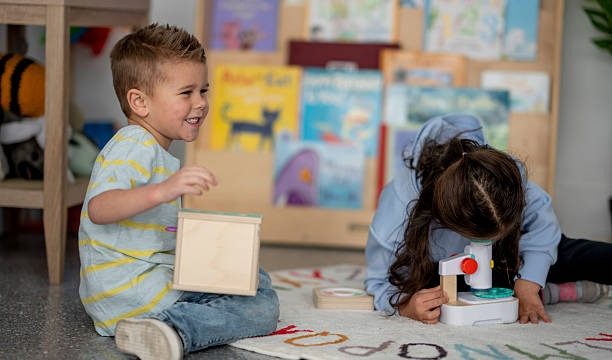
The first few years of life are often described as a critical period for brain development. During this time, a child’s brain is developing at an astonishing rate, forming millions of new connections. These connections are influenced by the child’s environment, experiences, and interactions with caregivers. When children are engaged in stimulating activities—like reading books, playing with others, or exploring nature—they are not just having fun; they are building the cognitive and emotional scaffolding that will support their future learning.
Creating a nurturing environment is essential in fostering early learning. This doesn’t mean that parents must provide a constant stream of structured activities or formal education. Instead, it’s about recognizing the learning opportunities that exist in everyday moments. A simple trip to the grocery store can turn into a lesson in counting and colors, while cooking together can introduce concepts of measurement and nutrition. These natural experiences, woven into the fabric of daily life, can ignite a child’s curiosity and desire to learn.
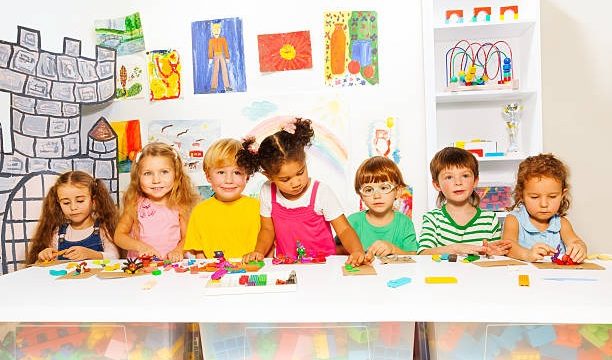
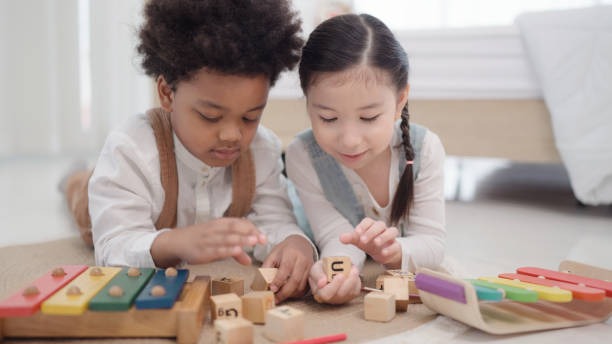
As children engage in play, they develop critical skills that will serve them throughout their lives. Play isn’t just a way to pass the time; it’s a vital aspect of learning. Through imaginative play, children explore different roles, solve problems, and learn to cooperate with others. These interactions foster social skills, emotional intelligence, and resilience. When children encounter challenges during play—whether it’s negotiating with a friend or figuring out how to build a tower that won’t topple—they gain confidence in their abilities to navigate the world around them.
Language development is another area where early experiences shine. Conversations with caregivers, reading aloud, and singing songs all contribute to a child’s vocabulary and understanding of language. These interactions help children learn not only words but also the rhythm and melody of speech. As they absorb language, they begin to express their thoughts and feelings, enhancing their ability to connect with others. This foundation in communication is invaluable as they grow, shaping their social interactions and academic success.
Emotional development is equally important during these early years. Children who feel secure and supported are more likely to explore their environment and take risks in their learning. Responsive parenting—where caregivers attune to a child’s needs and emotions—cultivates a sense of safety. When children know they have a reliable support system, they are more inclined to engage with the world around them. This emotional security lays the groundwork for resilience and adaptability, qualities that will benefit them throughout their lives.
As we consider the value of early learning experiences, it’s important to acknowledge the role of community and social connections. Children thrive when they are surrounded by a network of caring adults, whether it be family members, teachers, or neighbors. These relationships provide additional layers of support and learning opportunities. Community resources, such as libraries, parks, and playgroups, can enhance a child’s experiences, offering new avenues for exploration and engagement.
In recent years, there has been a growing recognition of the importance of early childhood education. Many parents are seeking out preschools or early learning programs that emphasize play-based learning and social interaction. These environments can provide children with structured opportunities to learn while still allowing for the spontaneity of play. Such programs often encourage creativity and critical thinking, equipping children with the skills they need to thrive in an ever-changing world.
As we reflect on the significance of early learning experiences, it’s essential to remember that every child is unique. What works for one child may not resonate with another. Parents and caregivers should trust their instincts and pay attention to their child’s interests and needs. By fostering a love of learning through exploration and inquiry, we can help children develop a lifelong passion for knowledge.
It’s also vital to approach early learning with a sense of balance. While it’s wonderful to provide enriching experiences, it’s equally important to allow children the freedom to play and explore without pressure. Too much emphasis on formal learning can lead to burnout and anxiety, which can stifle a child’s natural curiosity. Finding that sweet spot between guidance and freedom can create an environment where children feel empowered to learn at their own pace.
In conclusion, the value of early learning experiences cannot be overstated. These formative years are a precious time when children are laying the groundwork for their future. By creating nurturing environments, engaging in meaningful interactions, and fostering a sense of community, we can help children build the skills they need to navigate an ever-evolving world. As we support their early learning journeys, we are not just preparing them for school; we are nurturing resilient, curious, and compassionate individuals who will contribute positively to society. Embracing the beauty of these early experiences is a gift that will last a lifetime, both for children and for those who guide them along the way.