Creating a nurturing environment for young children is essential, especially in their formative years.
Kindergarten is a magical time when little ones begin to explore not just the world around them but also the dynamics of relationships.
One of the most important skills they can develop during this period is teamwork. It is a foundation for their future interactions, helping them learn to collaborate, communicate, and empathize. Here, we explore a variety of kindergarten activities that promote teamwork in a gentle, engaging manner.
A gentle introduction to collaboration can be as simple as group storytelling. Gather the children in a circle and encourage them to create a story together. One child can start with a sentence, and then they take turns adding a line. This activity not only sparks their imagination but also teaches them to listen and build upon each other’s ideas. As the story unfolds, they learn the importance of contributing to a shared goal while respecting the thoughts and creativity of their peers.
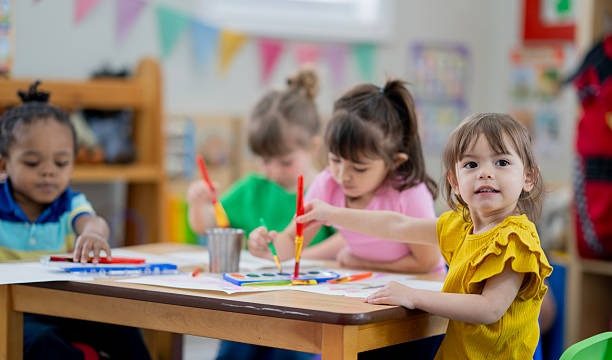
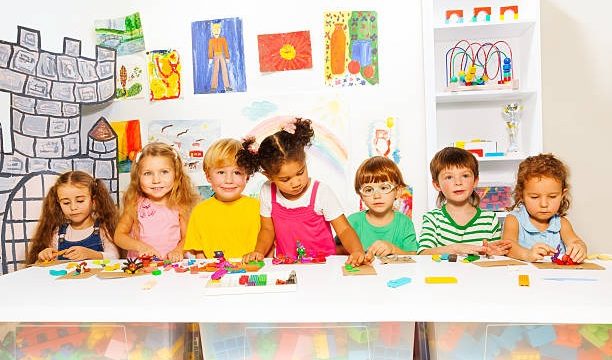
Another delightful way to foster teamwork is through art projects. Organizing a mural-making session can bring out the best in young artists. Provide a large piece of butcher paper and a variety of art supplies, and let the children collaborate on a mural that represents their class or a theme they are studying. As they paint, draw, and discuss their ideas, they learn to negotiate, share resources, and appreciate different perspectives. The end result is not just a beautiful piece of art but also a sense of accomplishment that reflects their collective efforts.
Outdoor activities can also play a significant role in developing teamwork skills. A simple game of parachute play is an excellent way to engage children while fostering cooperation. As they hold the edges of a colorful parachute, they can work together to create waves, lift it high, or even make a tent. This activity requires them to communicate effectively and coordinate their movements, promoting a sense of unity and shared purpose. The laughter and joy that come from this experience can create lasting memories and strengthen their bonds.
Incorporating problem-solving challenges can also be an effective method for building teamwork. Consider setting up an obstacle course that requires teamwork to navigate. Children can work together to figure out how to help one another through various challenges, whether it’s crawling under or climbing over obstacles. This not only encourages physical activity but also teaches them to rely on one another, communicate clearly, and celebrate each other’s achievements. The thrill of overcoming challenges together reinforces their sense of community.
As they explore the world of teamwork, introducing cooperative games can be both fun and educational. Games like “The Human Knot” encourage children to physically connect and work together to untangle themselves without letting go of each other’s hands. This activity fosters trust and communication, as they must verbalize their thoughts and listen to one another to find a solution. The laughter that ensues during these moments helps to break down barriers and build friendships.
Creating a classroom garden can also be a wonderful way to teach teamwork. Assigning different roles, such as watering, planting, or weeding, allows children to take ownership of their tasks while working towards a common goal. As they nurture the plants together, they learn about responsibility and the rewards of collaboration. Watching their garden grow can become a source of pride for the entire class, reinforcing the idea that their combined efforts yield beautiful results.
Incorporating music and dance into teamwork activities can also be incredibly enriching. Organizing a group dance where everyone learns a simple routine together encourages children to listen to each other and synchronize their movements. This activity not only enhances their motor skills but also fosters a sense of belonging as they move in harmony. The joy of dancing together can create bonds that extend beyond the classroom, promoting lasting friendships.
Encouraging children to participate in role-playing scenarios can also be a wonderful way to teach teamwork. Set up a small stage in the classroom where children can act out various roles, whether it’s being a doctor, a teacher, or a shopkeeper. Through role play, they learn to collaborate, share ideas, and respect one another’s contributions. This imaginative play encourages empathy as they step into each other’s shoes, understanding different perspectives and experiences.
As we nurture teamwork in young children, it’s essential to celebrate their efforts and progress. Acknowledging their teamwork in class discussions can help reinforce the value of collaboration. Sharing stories of how they worked together, whether in art projects or games, can boost their confidence and inspire them to continue building these essential skills. Simple phrases of encouragement, such as “I loved how you all helped each other today,” can go a long way in making them feel valued and understood.
In a world that often emphasizes individual achievement, teaching the importance of teamwork at a young age can create a generation of compassionate, cooperative individuals. By engaging in activities that promote collaboration, children learn that they are part of something larger than themselves. They discover that their contributions matter, that working together can lead to greater success, and that friendships are often forged in the spirit of teamwork.
As we reflect on the importance of these experiences, it becomes clear that fostering teamwork in kindergarten is not just about preparing children for school but for life. It’s about instilling values of cooperation, empathy, and communication that will serve them well beyond the classroom. By providing opportunities for children to learn and grow together, we are helping to shape a brighter, more connected future.