Creating a nurturing environment for children is one of the most vital aspects of their growth and development.
As parents, educators, and community members, we have the profound responsibility to ensure that the spaces where children learn are not only educationally enriching but also safe and supportive.
The importance of safe learning spaces for children cannot be overstated, as these environments play a crucial role in shaping their emotional, social, and cognitive development.
A gentle foundation for growth
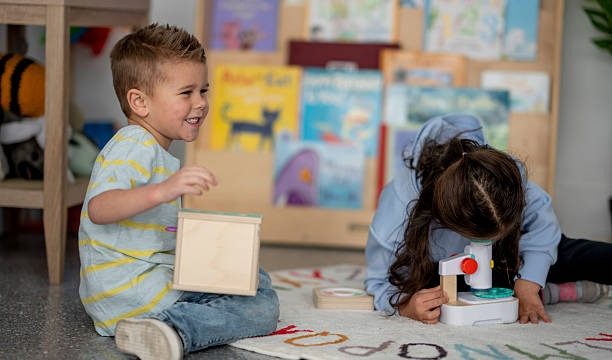
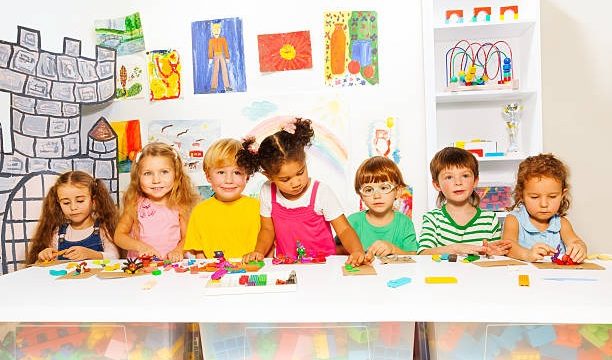
Imagine a child stepping into a classroom filled with natural light, vibrant colors, and welcoming decorations. This is more than just an aesthetic choice; it creates a sense of belonging and comfort. When children feel safe in their surroundings, they are more likely to engage, explore, and express themselves. A safe learning space fosters curiosity, allowing children to ask questions and seek answers without the fear of judgment. This nurturing environment encourages them to take risks in their learning, paving the way for creativity and innovation.
Emotional safety is equally important. Children need to know that they are valued and respected for who they are. This emotional foundation is essential for building self-esteem and confidence. When educators and caregivers cultivate an atmosphere of kindness and understanding, children thrive. They learn to communicate openly, develop empathy, and build meaningful relationships with their peers. This emotional intelligence is a crucial skill that will serve them well throughout their lives.
A holistic approach to learning
Safe learning spaces extend beyond physical safety; they encompass emotional and psychological well-being as well. It’s essential to create environments where children feel free to express their thoughts and emotions. Encouraging open dialogue about feelings and experiences helps children develop resilience. When they understand that it’s okay to talk about their struggles, they learn that challenges are a natural part of life. This awareness equips them with the tools to navigate difficulties, fostering a growth mindset that will benefit them in both academic and personal pursuits.
Furthermore, integrating elements of nature into learning spaces can significantly enhance children’s well-being. Studies have shown that exposure to natural environments can reduce stress and improve focus. Schools and childcare centers that incorporate green spaces, indoor plants, or even simple nature walks provide children with a sense of tranquility. Nature has a unique way of grounding us, and when children are connected to the outdoors, they are often more engaged and attentive in their learning.
Community involvement as a cornerstone
Creating safe learning spaces is not solely the responsibility of schools or parents; it requires a collective effort from the entire community. When neighborhoods come together to support educational initiatives, the impact can be profound. Community centers, libraries, and local organizations can provide additional resources and safe spaces for children to learn and grow. By working together, we can create a network of support that enhances the educational experience for all children.
Moreover, involving families in the learning process reinforces the idea that education is a shared journey. When parents and caregivers participate in school activities or community programs, they demonstrate to children that learning is a lifelong endeavor. This involvement not only strengthens the bond between parents and children but also fosters a sense of belonging within the community. Children who feel connected to their surroundings are more likely to thrive academically and socially.
The role of technology in learning spaces
In our increasingly digital world, technology plays a significant role in education. However, it’s essential to approach this integration thoughtfully. While technology can enhance learning, it’s crucial to ensure that children use it in safe and constructive ways. Educators and parents should guide children in navigating the digital landscape, emphasizing the importance of online safety and responsible use of technology.
Creating a balanced approach to technology is key. Learning spaces should provide opportunities for hands-on experiences, face-to-face interactions, and creative play alongside digital learning. This balance allows children to develop a range of skills, from critical thinking to teamwork. When technology is used mindfully, it can become a powerful tool for enhancing learning while maintaining the safety and well-being of children.
A vision for the future
As we look ahead, it’s essential to envision a future where safe learning spaces are the norm rather than the exception. Advocacy for policies that prioritize the safety and well-being of children in educational settings is critical. This includes investing in infrastructure that supports both physical safety and emotional health, as well as training educators to recognize and respond to the diverse needs of their students.
Additionally, fostering a culture of inclusivity within learning spaces is paramount. Children come from various backgrounds and experiences, and it’s essential to create environments where everyone feels welcome. Celebrating diversity enriches the learning experience, helping children develop a broader understanding of the world around them. When children learn to appreciate different perspectives, they become more empathetic and open-minded individuals.
In conclusion, the importance of safe learning spaces for children is a multifaceted issue that encompasses physical, emotional, and social dimensions. By creating environments that nurture curiosity, encourage emotional expression, and foster community involvement, we lay the groundwork for a brighter future for our children. As we work together to prioritize safety and support in educational settings, we empower the next generation to thrive—both in school and in life. Ultimately, a safe learning space is not just a place to absorb knowledge; it is a sanctuary where children can grow into confident, compassionate, and capable individuals.