In the world of education, where knowledge is shared and futures are shaped, the role of a teacher extends far beyond mere instruction.
Teachers are the architects of connection, building bridges between themselves and their students.
This connection is vital in creating a nurturing learning environment that fosters growth, curiosity, and resilience. Understanding the competencies that facilitate these meaningful relationships can transform a classroom into a vibrant community.
Creating a safe space for learning
At the heart of meaningful connections is the ability to create a safe and welcoming environment. A teacher’s first step is to establish a classroom where students feel valued and respected. This involves understanding each student’s unique background and emotional needs. When students sense that their teacher genuinely cares about their well-being, they are more likely to engage fully in the learning process.
A warm greeting at the door, a friendly smile, or even a simple check-in can go a long way in setting a positive tone for the day. When teachers take the time to acknowledge their students as individuals, it fosters a sense of belonging. This connection can make all the difference, as students who feel safe are more inclined to share their thoughts, ask questions, and express their creativity.
Cultivating empathy and understanding
Empathy is a cornerstone of effective teaching. When educators practice empathy, they can better understand their students’ perspectives and emotions. This understanding allows teachers to respond to challenges with compassion rather than frustration.
For instance, if a student is struggling with a concept, a teacher who demonstrates empathy can approach the situation differently. Instead of simply reiterating the lesson, the teacher might ask questions to uncover the root of the misunderstanding. By listening actively and validating the student’s feelings, the teacher not only helps them academically but also nurtures their emotional health. This approach creates an atmosphere where students feel comfortable taking risks and learning from their mistakes.
The art of active listening
Active listening is another vital competency for fostering meaningful connections. It goes beyond just hearing words; it involves fully engaging with the speaker, showing genuine interest in what they have to say. When teachers practice active listening, they send a powerful message to their students: “Your voice matters.”
In a busy classroom, it can be tempting to rush through conversations or dismiss students’ concerns. However, taking a moment to pause and truly listen can transform the dynamic. By giving students the space to express themselves, teachers can build trust and encourage open communication. This connection not only enhances the learning experience but also helps students develop their own listening skills, creating a cycle of respect and understanding.
Encouraging collaboration and connection
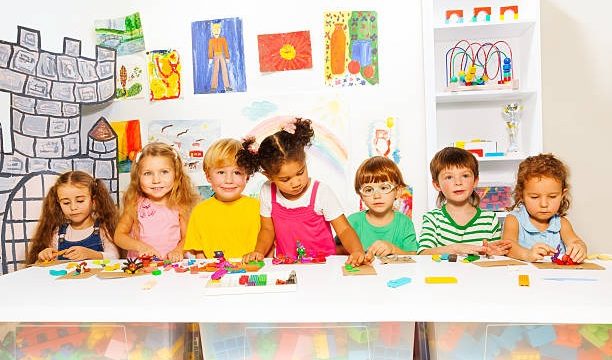
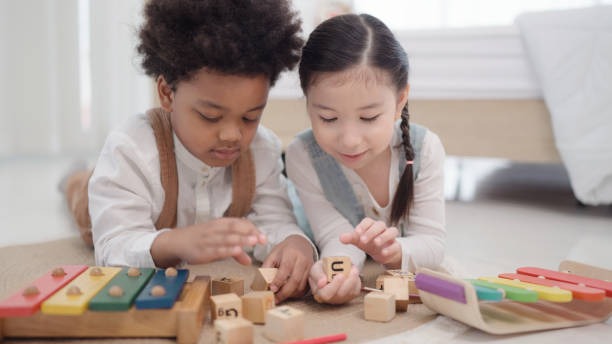
Collaboration is a beautiful aspect of learning that can further deepen connections within the classroom. When teachers encourage group work and cooperative learning, they allow students to connect with one another in meaningful ways. This not only helps students develop social skills but also fosters a sense of community.
In collaborative settings, students learn to value diverse perspectives and work together towards common goals. Teachers can facilitate this process by guiding discussions and providing opportunities for all voices to be heard. When students feel supported in sharing their ideas, they are more likely to form bonds with their peers, enhancing their overall educational experience.
Nurturing emotional intelligence
Emotional intelligence is an essential competency for both teachers and students. Educators who model emotional awareness and regulation can help students navigate their own feelings. This creates a classroom culture where emotions are acknowledged and managed constructively.
By integrating social-emotional learning into the curriculum, teachers can equip students with tools to understand and express their emotions. Activities that promote self-reflection, mindfulness, and stress management can empower students to become more resilient. When teachers prioritize emotional intelligence, they foster an environment where students can thrive academically and personally.
The significance of flexibility and adaptability
In the ever-evolving landscape of education, flexibility and adaptability are crucial competencies for teachers. Each day brings new challenges, and the ability to pivot in response to students’ needs is invaluable. A teacher who can adjust their approach based on the dynamics of the classroom can create a more engaging and responsive learning experience.
This adaptability also applies to recognizing and accommodating different learning styles. By employing diverse teaching methods, educators can reach students in ways that resonate with them. Whether it’s through hands-on activities, visual aids, or collaborative projects, a flexible teacher can ensure that every student feels included and engaged.
Building relationships beyond the classroom
Meaningful connections extend beyond the classroom walls. When teachers take the time to engage with students outside of academic settings, they reinforce the bonds they have created. Attending school events, participating in community activities, or even just having casual conversations can deepen these relationships.
By showing interest in students’ lives beyond academics, teachers demonstrate that they care about their overall development. This engagement fosters a sense of trust and loyalty, encouraging students to seek guidance and support when needed. Building these connections helps create a positive school culture where everyone feels invested in each other’s success.
Encouraging a growth mindset
Finally, instilling a growth mindset in students can significantly enhance the teacher-student connection. When educators emphasize the importance of effort, resilience, and the belief that abilities can improve over time, they empower students to embrace challenges.
Teachers can model this mindset by sharing their own experiences of overcoming obstacles and celebrating the process of learning. Encouraging students to view mistakes as opportunities for growth fosters a supportive atmosphere where everyone can thrive. This shared journey towards improvement can strengthen the bond between teachers and students, creating a collaborative learning environment.
In conclusion, the competencies that create meaningful connections in the classroom are essential for nurturing a positive educational experience. By fostering empathy, practicing active listening, encouraging collaboration, nurturing emotional intelligence, remaining flexible, building relationships beyond the classroom, and promoting a growth mindset, teachers can transform their classrooms into vibrant communities of learning. These connections not only enrich the educational experience but also lay the foundation for lifelong learners who feel valued and inspired. In the end, it is the human connections that truly make education a profound journey.