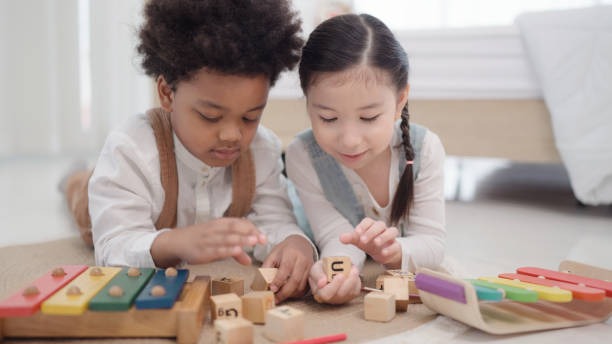
In a world that often feels hurried and filled with distractions, finding moments of joy through learning can be incredibly fulfilling.
One delightful way to foster curiosity and creativity—especially in children—is through playful science experiments.
These hands-on activities not only nurture a love for science but also encourage critical thinking and problem-solving skills. With a little imagination and some common household items, you can embark on an exciting journey of discovery.
The beauty of playful science experiments lies in their simplicity. They invite exploration and wonder, allowing both kids and adults to engage with the world around them. When children see science as an adventure rather than a subject confined to textbooks, they develop a lifelong passion for inquiry. This playful approach transforms learning into a joyful experience, making it easier to grasp complex concepts through tangible experiences.
Creating a nurturing environment for exploration is key. Set aside a space where children feel comfortable and free to experiment. It could be a corner of the kitchen, a backyard, or even a cozy living room. Having a designated area helps to cultivate a mindset that values curiosity and creativity. As you gather materials, consider using items you already have at home—this can include kitchen ingredients, recycled materials, or simple craft supplies. The goal is to inspire creativity without the need for elaborate setups.
One charming experiment to try is the classic baking soda and vinegar reaction. This simple yet captivating activity introduces concepts of chemical reactions and gases. Begin by placing a few tablespoons of baking soda in a small container. Then, pour vinegar over it and watch the delightful fizzing action unfold. The bubbling reaction is not only visually stunning but also a wonderful opportunity to discuss what is happening on a scientific level. Children can learn about acids and bases, as well as the concept of gas production, all while enjoying the playful chaos of the moment.
As you engage in these experiments, it’s important to embrace the process rather than focusing solely on the outcome. Encourage children to ask questions, make predictions, and share their observations. This dialogue enriches the experience and fosters a sense of ownership over their learning journey. Rather than simply following instructions, invite them to explore variations of the experiment. What happens if they change the amount of baking soda or try a different type of vinegar? This kind of exploration nurtures creativity and critical thinking, skills that are invaluable in all areas of life.
Another delightful experiment involves creating a rainbow in a jar. This visually stunning activity introduces children to the concept of density and how different liquids interact with one another. Begin by gathering various liquids—such as honey, dish soap, water, vegetable oil, and rubbing alcohol—each with distinct densities. Carefully pour the liquids into a clear jar in the order of their density, starting with the heaviest (honey) and ending with the lightest (rubbing alcohol). As each layer settles, children will marvel at the vibrant colors and learn about the properties of liquids. This simple activity sparks discussions about science while also resulting in a beautiful display that can be admired for days.
Incorporating elements of storytelling can further enrich these scientific explorations. As you conduct experiments, weave a narrative around them. For example, as you create the rainbow in a jar, you might tell a tale about a magical potion that can only be created with the right ingredients. Encouraging children to invent their own stories about the experiments not only enhances their engagement but also nurtures their imagination. This blend of creativity and science can lead to a deeper understanding of both subjects.
As you continue exploring playful science experiments, consider the natural world around you. Nature is a treasure trove of scientific wonders waiting to be discovered. Simple activities like observing the growth of plants or collecting leaves can lead to exciting discussions about biology and ecology. You might start a small garden together, observing how seeds turn into plants, or create a nature journal to document observations. These experiences foster a sense of connection to the environment and promote an understanding of ecosystems.
In addition to nurturing a love for science, playful experiments can also strengthen the bond between parents and children. Sharing these moments creates lasting memories and opens the door to meaningful conversations. As you work together, celebrate each other’s discoveries and insights. This collaborative spirit not only makes learning enjoyable but also reinforces the idea that exploration is a shared adventure.
As the world becomes increasingly digital, the importance of hands-on learning experiences cannot be overstated. Playful science experiments allow children to disconnect from screens and engage with the physical world. They offer a wonderful opportunity to cultivate patience, persistence, and resilience. When an experiment doesn’t go as planned, it becomes a chance to learn from mistakes and try again. This mindset is invaluable, equipping children with the tools they need to navigate challenges in life.
Ultimately, learning through playful science experiments is about embracing curiosity and fostering a love for discovery. The joy of experimentation lies in the freedom to explore, create, and wonder. By creating an environment that celebrates inquiry, you not only enrich your child’s understanding of the world but also instill a sense of wonder that lasts a lifetime. In this journey, science becomes more than a subject; it transforms into a way of seeing and experiencing the world, one playful experiment at a time.
So gather your materials, unleash your creativity, and dive into the joyful world of science. The possibilities are endless, and who knows what amazing discoveries await just around the corner?