In today’s fast-paced world, effective communication skills are more important than ever, especially for students navigating their way through the complexities of both academic and social environments.
Building healthy communication habits can significantly impact their relationships, academic performance, and overall well-being.
As we explore the various facets of communication, we can uncover gentle strategies that empower students to express themselves more clearly and connect with others more deeply.
Understanding the importance of communication is the first step toward improvement. Communication is not merely about speaking; it encompasses listening, interpreting, and responding. For students, the ability to articulate thoughts and feelings can enhance classroom discussions, foster friendships, and create a supportive environment where everyone feels valued. When students learn to communicate effectively, they build a foundation that supports their personal and academic growth.
A small shift toward balance can begin with the practice of active listening. This involves fully concentrating on what is being said rather than merely waiting for one’s turn to speak. Encouraging students to listen intently can transform their interactions. They can show that they are engaged by nodding, maintaining eye contact, and responding thoughtfully to what others share. This not only enriches conversations but also cultivates empathy, allowing students to understand different perspectives and experiences.
Creating a safe space for open dialogue is another vital aspect of fostering healthy communication. Students should feel comfortable expressing their thoughts and emotions without fear of judgment. This can be achieved through classroom activities that promote sharing and collaboration. Teachers and peers can encourage an atmosphere of respect and understanding, where everyone’s voice is heard. When students feel safe to communicate, they are more likely to engage in meaningful discussions and develop their ideas more fully.
Another key element in building communication skills is the art of expressing oneself clearly and respectfully. Students can benefit from learning how to articulate their thoughts in a way that is both honest and considerate. This involves choosing words carefully and being mindful of tone and body language. Practicing these skills in everyday conversations can help students become more confident communicators. For instance, role-playing different scenarios can be a fun and effective way to explore various communication styles and responses.
Encouraging self-awareness is also essential in helping students navigate their communication journeys. When students take time to reflect on their thoughts and feelings, they can better understand their motivations and how they relate to others. Journaling can be a wonderful tool for this purpose. By writing down their thoughts, students can clarify their feelings and identify patterns in their communication. This practice not only enhances their writing skills but also promotes emotional intelligence, which is crucial for healthy interactions.
In the age of technology, it’s important to consider how digital communication impacts students. While social media and messaging apps offer new avenues for connection, they can also lead to misunderstandings and miscommunications. Educators and parents can guide students in using these platforms mindfully, emphasizing the importance of clarity and tone in written communication. Teaching students to think critically about their digital interactions can help them navigate potential pitfalls and foster healthier online relationships.
Building healthy communication skills also involves understanding nonverbal cues. Body language, facial expressions, and gestures play a significant role in how messages are conveyed and received. Students can benefit from learning to interpret these signals in themselves and others. Activities that focus on role-playing or observing interactions can help sharpen these skills. By becoming more attuned to nonverbal communication, students can enhance their ability to connect with others on a deeper level.
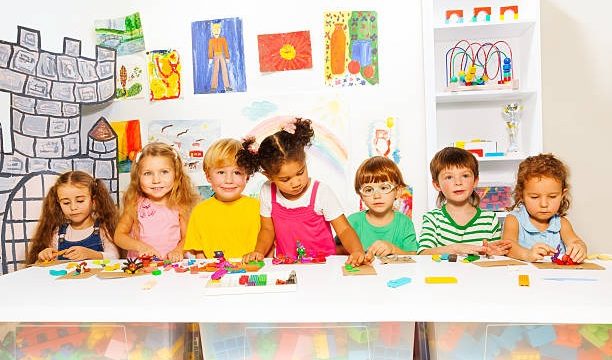
Encouraging collaboration is another wonderful way to strengthen communication skills among students. Group projects and team activities provide opportunities for students to practice articulating their ideas while also learning to value the contributions of others. Working together toward a common goal teaches them how to negotiate, compromise, and support one another. These experiences not only build communication skills but also foster a sense of community and belonging.
As students grow and develop their communication skills, it’s essential to celebrate their progress. Acknowledging their efforts, whether big or small, can motivate them to continue honing their abilities. Positive reinforcement from teachers, peers, and family members can boost their confidence and encourage them to take risks in communication. Creating a culture of appreciation can go a long way in helping students feel valued and understood.
Ultimately, the journey toward effective communication is ongoing and requires patience and practice. Students may encounter challenges along the way, but these moments can serve as valuable learning experiences. Encouraging resilience and adaptability in communication can help them navigate future interactions with grace and confidence.
In conclusion, building healthy communication skills is an enriching endeavor for students. By fostering active listening, creating safe spaces for dialogue, promoting self-awareness, and encouraging collaboration, we can support them in developing meaningful connections with others. As they embark on this journey, let us remind them that communication is not just about exchanging words; it is about building relationships, understanding each other, and growing together. With gentle guidance and encouragement, students can cultivate the skills they need to navigate their academic and social landscapes with assurance and ease.