Early childhood education is a crucial foundation for lifelong learning and development.
As parents and educators, we often focus on the knowledge and skills children acquire during these formative years.
However, one essential aspect that can sometimes be overlooked is the importance of nurturing positive relationships in early childhood settings. These relationships not only enrich the educational experience but also foster emotional well-being, resilience, and social skills in young children.
A nurturing environment is often the first step in building strong relationships. When children feel safe and secure, they are more likely to explore their surroundings and engage with their peers and caregivers. This sense of safety stems from consistent routines and responsive interactions. For instance, when teachers or caregivers respond promptly and appropriately to a child’s needs—whether it’s offering a comforting hug or encouraging words—they communicate that the child is valued and understood. This initial bond builds a foundation of trust that is vital for learning and growth.
The role of educators in early childhood education extends beyond teaching academic skills. They are also emotional guides who help young children navigate their feelings and social interactions. By modeling positive behaviors and showing empathy, educators can teach children how to express emotions and resolve conflicts. For example, when a child experiences frustration during a group activity, a supportive educator can step in to help them articulate their feelings and find a constructive way to address the situation. This not only helps the child in that moment but also equips them with valuable tools for future interactions.
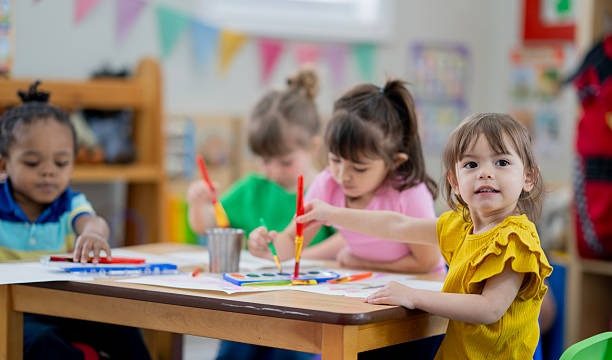
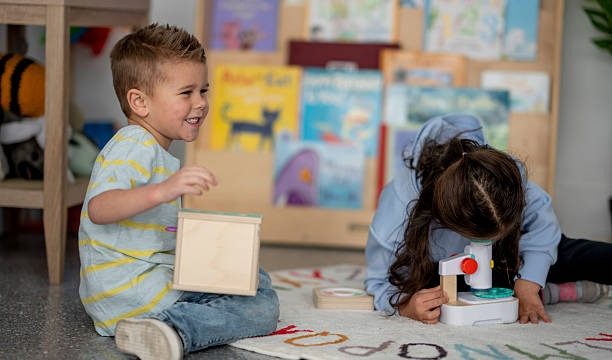
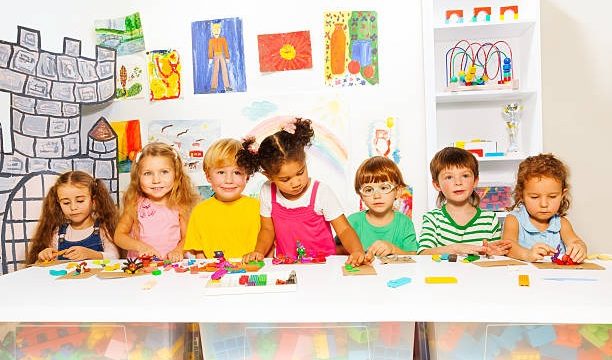
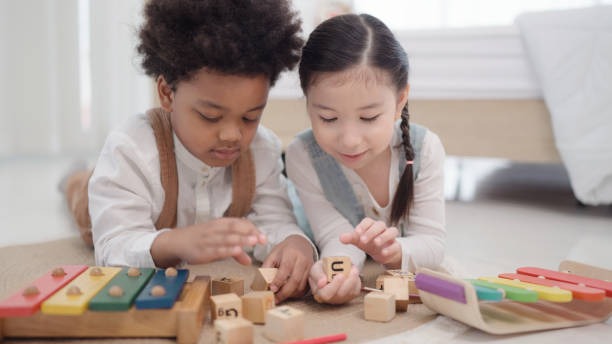
Creating a community within the classroom is another key element in fostering positive relationships. When children work together on projects or participate in group activities, they learn to collaborate and appreciate diverse perspectives. Such interactions cultivate a sense of belonging, where each child feels they have a role to play. This community spirit encourages sharing, cooperation, and respect among peers, which are essential social skills as they grow.
Integrating family involvement into early childhood education can further enhance these positive relationships. When families are engaged in their child’s learning journey, it creates a bridge between home and school. Regular communication between educators and families can help identify each child’s unique needs and strengths, fostering a collaborative approach to education. Inviting families to participate in classroom activities or share their cultural traditions enriches the learning environment and strengthens the bond between home and school.
As children develop their social skills, they also learn the importance of empathy and kindness. Teaching children to recognize and respect differences in their peers is fundamental in today’s diverse society. Through stories, songs, and discussions, educators can introduce concepts of inclusion and acceptance. When children see themselves reflected in the stories they read and the activities they engage in, it helps them form a positive self-identity while also valuing the identities of others.
A small shift toward balance can make a significant difference in how relationships are nurtured in early childhood education. While academic skills are important, prioritizing social-emotional development leads to well-rounded individuals. Children who can manage their emotions and relate positively to others are often more successful academically, as they can focus better and engage more fully in the learning process.
In addition to fostering relationships among children, it is equally important for educators to build supportive connections with one another. A collaborative staff environment can lead to shared ideas and strategies that benefit the entire classroom. When educators feel supported and valued, they are more likely to create a positive atmosphere for their students. Regular team meetings, professional development opportunities, and open communication can help cultivate a culture of respect and camaraderie among staff.
As we reflect on the significance of positive relationships in early childhood education, it is essential to recognize that these connections extend beyond the walls of the classroom. They influence the way children perceive the world and interact with others throughout their lives. By promoting kindness, respect, and empathy, we are not just preparing children for school, but for life itself.
Ultimately, the goal of early childhood education is to help children become confident, capable individuals who can navigate the complexities of the world around them. By fostering positive relationships, we create a supportive environment that encourages exploration, creativity, and collaboration. It is in these relationships that children learn to build trust, communicate effectively, and develop a sense of belonging.
In conclusion, the importance of relationships in early childhood education cannot be overstated. They are the threads that weave together the fabric of a child’s learning experience. By prioritizing nurturing, empathetic connections among children, educators, and families, we lay the groundwork for a brighter future. As we continue to support and celebrate these relationships, we are not just shaping the lives of young children; we are nurturing the next generation of compassionate and engaged citizens. The journey of early childhood education is not just about imparting knowledge; it’s about fostering a loving, supportive community where every child can thrive.