Learning is a journey that can sometimes feel daunting, but it doesn’t have to be.
In fact, infusing joy and excitement into the learning process can transform it into a delightful adventure.
There are countless ways to make learning fun, and the best part is that these methods can be easily adapted to suit every age group. Whether you are a parent looking to inspire your children or an adult seeking to rekindle your own passion for learning, here are some gentle approaches to creating a more enjoyable educational experience.
A small shift toward balance
First and foremost, it’s essential to recognize that learning should feel engaging rather than overwhelming. When we approach learning with a mindset of curiosity and openness, we naturally become more receptive to new information. One effective way to cultivate this mindset is by embracing a balanced approach. Instead of focusing solely on grades or outcomes, try to appreciate the process of learning itself. This shift can help alleviate pressure and allow for a more enjoyable experience.
Creating a stimulating environment
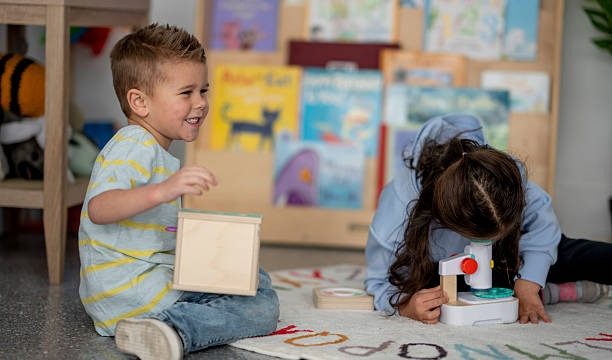
The environment in which we learn plays a significant role in our overall experience. A space filled with inspiration can spark creativity and curiosity. Consider surrounding yourself with books, art, or even plants that create a calming atmosphere. For children, a cozy reading nook or a colorful study area can make all the difference. Adding elements of play, such as educational games or interactive tools, can further enhance this environment. When the space feels welcoming and fun, it encourages exploration and discovery.
Incorporating play into learning
One of the most effective ways to make learning enjoyable is to incorporate elements of play. This can take many forms, from using games to teach math concepts to role-playing historical events. For younger learners, educational board games or apps can turn challenging subjects into exciting challenges. For older students or adults, engaging in group discussions or debates can add a layer of interaction that makes the learning experience more dynamic. By blending play with education, we can tap into our natural instincts for exploration and creativity.
Exploring diverse learning methods
Every individual has a unique learning style, and recognizing this can help tailor the educational experience to be more enjoyable. Some people thrive on visual stimuli, while others may prefer auditory or kinesthetic learning. Experimenting with different methods—such as watching documentaries, listening to podcasts, or engaging in hands-on activities—can help uncover what resonates most. By diversifying the approach to learning, we can keep things fresh and exciting, making the process feel less like a chore and more like an adventure.
The power of storytelling
Storytelling is a timeless method of learning that captivates audiences of all ages. Whether it’s through books, films, or oral traditions, stories have the power to convey complex ideas in a relatable and engaging manner. When learning about a new subject, try to connect it to a narrative or personal experience. This can make the information more memorable and enjoyable. For instance, instead of just memorizing historical facts, exploring the stories of individuals who lived during that time can bring the past to life in a meaningful way.
Finding a community of learners
Learning can often feel isolating, but it doesn’t have to be. Connecting with others who share similar interests can create a supportive and enriching environment. Consider joining a book club, attending workshops, or participating in online forums. Engaging in discussions with peers can spark new ideas and perspectives, making the learning process more vibrant. Additionally, teaching others what you’ve learned can further solidify your understanding and create a sense of camaraderie.
Setting achievable goals
While the journey of learning should be enjoyable, having a sense of direction can also enhance the experience. Setting small, achievable goals can provide a sense of accomplishment without feeling overwhelming. These goals can be as simple as reading a chapter of a book each week or completing a project over a month. Celebrating these small victories can create a rewarding cycle that encourages further exploration and discovery.
Embracing curiosity
Curiosity is a powerful motivator in the learning process. Allowing oneself to ask questions and seek answers can transform the way we engage with information. Instead of viewing learning as a task, try to approach it with a sense of wonder. This can involve exploring topics that genuinely spark your interest or following a rabbit hole of knowledge that leads to unexpected discoveries. When curiosity drives learning, it becomes a joyful pursuit rather than a mandatory obligation.
Integrating technology thoughtfully
In our digital age, technology offers a wealth of resources that can make learning more interactive and enjoyable. From educational apps to online courses, there are countless tools available to enhance the learning experience. However, it’s important to integrate technology thoughtfully and mindfully. Finding a balance between screen time and hands-on activities can help maintain engagement without overwhelming the senses. When used effectively, technology can serve as a bridge to new ideas and experiences.
Creating a routine that works for you
Establishing a routine can provide structure to your learning while still allowing for flexibility and creativity. Find a schedule that suits your lifestyle, incorporating dedicated time for learning alongside breaks for relaxation and reflection. This balance can help maintain motivation and prevent burnout. Remember, it’s okay to adjust your routine as needed; the goal is to create a rhythm that feels natural and enjoyable.
The joy of lifelong learning
Ultimately, making learning fun is about embracing the journey rather than fixating on the destination. Cultivating a love for learning can lead to a fulfilling and enriched life, filled with endless opportunities for growth. By nurturing curiosity, creating supportive environments, and integrating playful elements, we can transform learning into a joyful adventure. Each step taken is a chance to explore, discover, and grow, allowing us to savor the beauty of knowledge in all its forms.