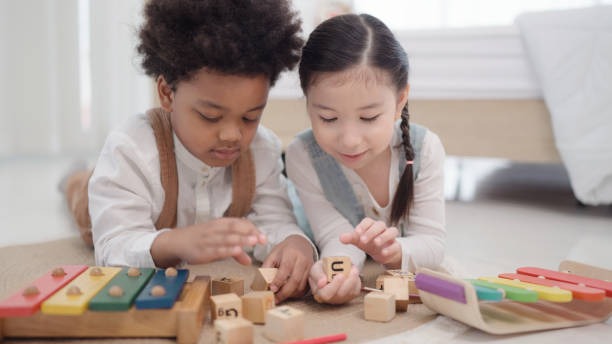
Every child deserves a chance to thrive, and inclusive education is a powerful approach to making that happen.
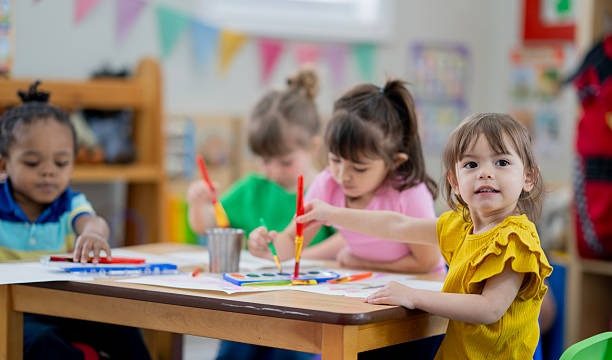
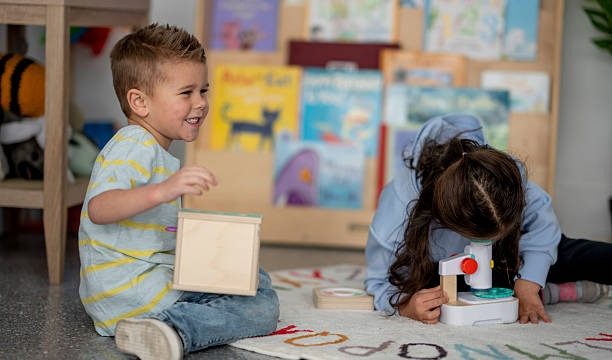
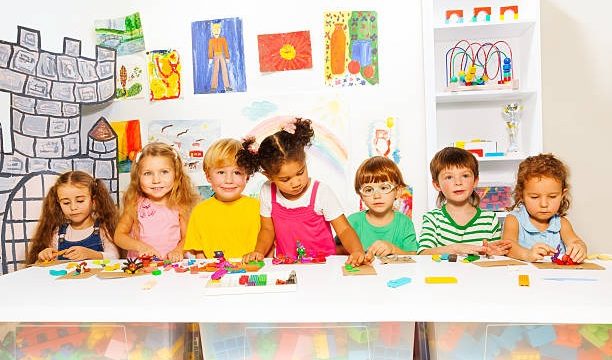
Imagine a classroom where diversity is not just accepted but celebrated, where every child, regardless of their background or abilities, can feel a sense of belonging.
This vision of inclusivity is not just a dream; it’s a reality that is slowly but surely taking shape in schools around the world.
The essence of inclusive education lies in its fundamental belief that all children can learn and succeed together. It invites children with different abilities, experiences, and perspectives to join the same learning environment, creating a rich tapestry of interactions and ideas. This approach nurtures not only academic growth but also social skills, empathy, and understanding among peers.
Creating an inclusive classroom is akin to tending a garden. Just as each plant requires different care to flourish, every child brings unique strengths and challenges that need to be recognized and supported. Teachers play a pivotal role in this process, acting as gardeners who cultivate an environment where all students can thrive. By employing varied teaching methods and materials, educators can cater to diverse learning styles, ensuring that each child has the opportunity to engage with the curriculum in a way that resonates with them.
A small shift toward balance can make a world of difference. For instance, rather than focusing solely on traditional assessments, incorporating alternative evaluation methods allows for a more holistic view of a child’s capabilities. This might include project-based assessments, presentations, or collaborative work, which not only showcase individual strengths but also foster teamwork and cooperation among students.
In this inclusive setting, children learn invaluable lessons about acceptance and respect. When they interact with peers who have different abilities or come from various backgrounds, they gain a deeper understanding of the world around them. These interactions help break down stereotypes and build a foundation of empathy that extends far beyond the classroom walls. Children learn that everyone has something unique to contribute, and this perspective enriches their educational experience.
Parents play a crucial role in fostering an inclusive mindset at home. Open conversations about differences and the importance of kindness can reinforce the values taught at school. Encouraging children to embrace diversity in their friendships and activities creates a ripple effect, promoting inclusivity in broader social circles. When children are taught to appreciate and celebrate differences, they grow into compassionate individuals who carry these values into adulthood.
Community involvement is another essential piece of the puzzle. Schools that engage with local organizations, support groups, and families create a network of resources that enhance the educational experience for all students. Workshops, events, and collaborative initiatives can provide additional support for children with specific needs while also educating the wider community about inclusive practices. This collaboration fosters a sense of belonging that extends beyond the classroom and into the community, creating a more supportive environment for all families.
In the realm of inclusive education, technology has emerged as a powerful ally. With the rise of adaptive learning tools and resources, educators can tailor their teaching strategies to meet the varied needs of their students. These tools can assist in breaking down barriers, providing personalized learning experiences that empower each child to progress at their own pace. The right technology can transform learning into an engaging and accessible experience, ensuring that no child is left behind.
As we look toward the future, the importance of inclusive education continues to gain recognition. Policymakers and educational leaders are increasingly aware of the need to implement practices that support diversity in learning environments. By prioritizing inclusivity, we not only enrich the educational experience for children but also lay the groundwork for a more equitable society.
It’s essential to remember that the journey toward inclusive education is ongoing. While progress has been made, there is still much work to be done. Advocacy for inclusive practices must continue at all levels, from grassroots movements to legislative initiatives. Every voice matters in this conversation, and collective efforts can lead to meaningful change.
At the heart of inclusive education is the belief that every child is worthy of love, support, and the chance to succeed. By embracing this philosophy, we create a world where children not only learn together but also grow together. They become advocates for one another, fostering an environment of acceptance that will carry them through life.
As we navigate the complexities of education, let us remain committed to the idea that every child is welcome. By nurturing inclusive practices, we can transform classrooms into spaces of hope, understanding, and joy. Together, we can cultivate a future where every child has the opportunity to shine, bringing their unique light to the world.
In this journey, it’s the small moments that often make the biggest impact—a smile shared, a helping hand extended, or a word of encouragement offered. These seemingly simple gestures create a culture of kindness that permeates the classroom and beyond. In an inclusive education setting, every child learns that they are valued, and that their contributions matter.
Inclusive education is not merely a policy; it’s a way of life. It’s about creating spaces where differences are embraced and celebrated, where every child feels seen and heard. As we continue to advocate for inclusive practices, let us remember that each step we take brings us closer to a brighter, more inclusive future for all children. Together, we can build a world where every child truly belongs.