Creating lesson plans that foster positive learning outcomes can be a fulfilling journey for both educators and students.
A thoughtful approach to lesson planning not only enhances students’ understanding of the subject matter but also nurtures their emotional and social development.
When we design lessons with intention and care, we open the door to a world of possibilities for our learners.
One essential aspect of developing effective lesson plans is understanding the diverse needs of each student. Every classroom is a melting pot of different learning styles, backgrounds, and interests. By recognizing these differences, educators can craft lessons that resonate with each individual. This could mean incorporating a mix of visual, auditory, and kinesthetic activities that cater to various preferences. For example, a history lesson could involve storytelling, interactive maps, and even role-playing to engage students on multiple levels.
A small shift toward balance can make a significant impact. Consider the importance of integrating social-emotional learning into your lesson plans. By weaving in activities that promote self-awareness, empathy, and collaboration, you create a nurturing environment where students feel safe to express themselves. Simple check-in activities at the beginning of a lesson can help students articulate their feelings and foster a sense of community. This practice not only enhances their emotional intelligence but also sets a positive tone for the day’s learning.
Incorporating real-world applications into lessons is another way to enhance learning outcomes. When students see the relevance of what they are learning, they are more likely to engage and retain information. For instance, in a math lesson, you might present a scenario involving budgeting for a community project. This approach not only teaches mathematical concepts but also encourages critical thinking and problem-solving skills. By connecting lessons to the students’ lives and the world around them, we empower them to become active participants in their learning journeys.
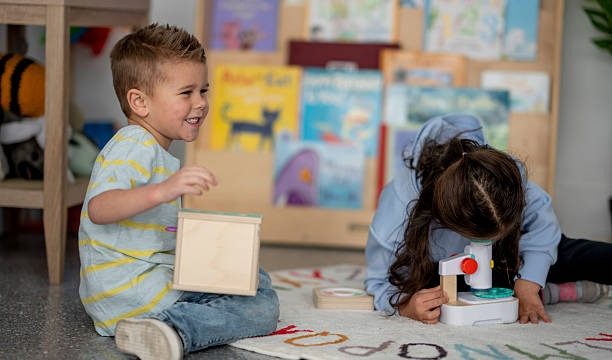
Engagement is key, and one of the most effective ways to achieve this is through project-based learning. Allowing students to work on projects that spark their interest can lead to deeper understanding and retention of information. Imagine a science class where students can choose to create a presentation on renewable energy sources. They can research, collaborate, and present their findings in creative ways, whether through digital media, posters, or even a live demonstration. This hands-on approach not only makes learning more enjoyable but also cultivates a sense of ownership over their education.
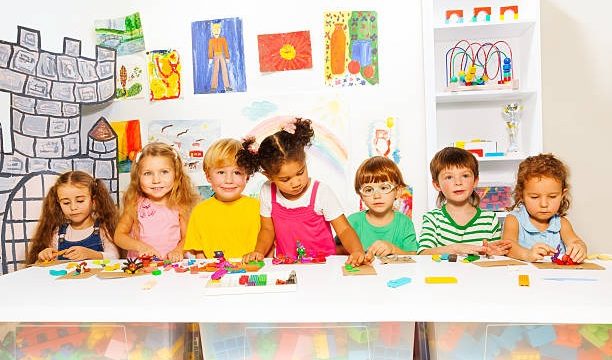
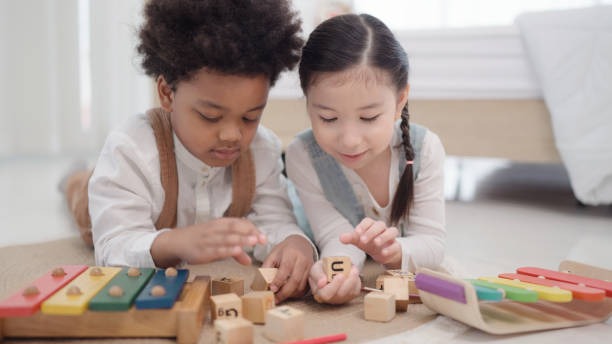
Fostering collaboration among students can lead to rich learning experiences. Group activities encourage communication, teamwork, and the sharing of diverse perspectives. This could be as simple as having students work in pairs to solve a problem or as involved as organizing a class debate on a relevant topic. The key is to create opportunities for students to learn from one another, which can often lead to surprising insights and a deeper understanding of the subject matter.
Creating a supportive classroom environment is essential for positive learning outcomes. This can be achieved through establishing clear expectations and routines. When students know what is expected of them, they feel more secure and are better able to focus on their learning. It’s also important to celebrate achievements, no matter how small. Recognizing students’ efforts fosters motivation and reinforces a culture of positivity within the classroom.
Another gentle yet effective approach is to incorporate mindfulness practices into your lessons. Taking a few moments for deep breathing or guided visualization can help students center themselves and prepare for learning. These practices can reduce anxiety and increase focus, allowing students to engage more fully with the material. Mindfulness not only benefits academic performance but also contributes to overall well-being.
Adapting lesson plans to include technology can also enhance engagement. In our digital age, students are often more excited about learning when technology is involved. This could mean using educational apps, online resources, or interactive platforms that allow for collaboration and creativity. However, it’s essential to strike a balance—technology should enhance, not replace, traditional learning methods. Integrating tech thoughtfully can create a dynamic learning environment that resonates with students.
Feedback is a crucial component of the learning process. Providing constructive feedback helps students understand their strengths and areas for improvement. It’s important to create a culture where feedback is viewed positively, as a tool for growth rather than criticism. Encouraging peer feedback can also be beneficial, as students learn to give and receive insights from their classmates. This practice not only builds communication skills but also fosters a sense of community and support within the classroom.
As we aim for positive learning outcomes, it’s vital to remain flexible and open to change. Sometimes, a lesson may not go as planned, and that’s perfectly okay. Being adaptable allows educators to respond to the needs of their students in real-time. If a particular activity isn’t resonating, consider shifting gears and trying a new approach. This flexibility not only demonstrates to students the importance of resilience but also keeps the learning experience fresh and engaging.
In conclusion, crafting lesson plans that lead to positive learning outcomes is an art that requires creativity, empathy, and a deep understanding of student needs. By embracing diverse learning styles, integrating real-world applications, fostering collaboration, and creating a supportive environment, educators can inspire students to thrive. Remember, the journey of learning is as important as the destination. Each lesson is an opportunity to ignite curiosity, build connections, and nurture the next generation of thinkers and creators. Let us approach this journey with warmth and intention, knowing that the impact we make today will resonate for years to come.