In the heart of every bustling school, there exists a quiet yet powerful force that shapes the future of its students: the classroom environment.
It’s often said that the atmosphere in which we learn can be just as important as the content we study.
A classroom that engages students can spark curiosity, foster collaboration, and nurture a love for learning that lasts a lifetime.
So, how can educators create such vibrant spaces? Let’s explore the elements that contribute to student achievement through engaging classrooms.
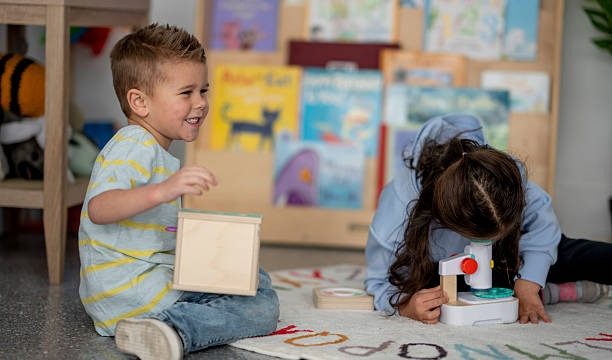
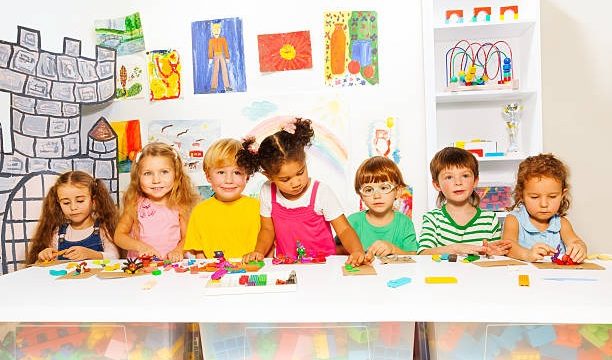
A welcoming classroom is like a warm embrace, inviting students to step inside and explore. The first step in creating this inviting atmosphere is to pay attention to the physical space. Bright colors, comfortable seating arrangements, and interactive displays can transform a sterile room into a lively hub of activity. Imagine a classroom adorned with student artwork, plants that bring a touch of nature indoors, and cozy nooks for reading or group discussions. Such an environment not only stimulates the senses but also makes students feel at home, encouraging them to express their ideas freely.
However, the physical space is just the beginning. The emotional climate of the classroom plays a crucial role in student engagement. Educators can cultivate a supportive environment by fostering positive relationships with their students. When students feel valued and understood, they are more likely to take risks in their learning. Simple gestures, such as greeting each student by name or taking a moment to check in on their well-being, can make a significant difference. By creating a strong sense of community, teachers empower students to share their thoughts and collaborate with their peers, enhancing the overall learning experience.
Engagement thrives on variety. Just as a well-balanced diet includes different flavors and nutrients, a dynamic classroom incorporates a mix of teaching methods to cater to diverse learning styles. Incorporating hands-on activities, group projects, and technology can keep the curriculum fresh and exciting. For instance, integrating interactive multimedia presentations or educational games can turn a traditional lesson into an engaging adventure. This not only captivates students’ attention but also helps them retain information more effectively.
A small shift toward balance can also be achieved through the integration of student interests into the curriculum. When learners see their passions reflected in their studies, they are more likely to invest themselves in the material. Teachers can encourage students to pursue topics they are passionate about, allowing for personalized projects that showcase their creativity. This approach not only ignites enthusiasm but also builds valuable skills such as critical thinking and problem-solving.
Furthermore, creating an engaging classroom involves encouraging student voice and choice. When students have a say in their learning process, they become active participants rather than passive recipients of information. Providing opportunities for students to express their opinions, suggest topics for discussion, or choose how they demonstrate their understanding fosters a sense of ownership over their education. This empowerment can lead to increased motivation and a deeper connection to the material.
Another essential aspect of an engaging classroom is the incorporation of real-world connections. When students can relate their learning to their lives outside of school, the material becomes more meaningful. Educators can bridge the gap between theory and practice by inviting guest speakers, organizing field trips, or engaging in community service projects. These experiences not only enrich the curriculum but also help students understand the relevance of their education in a broader context.
Creativity is the lifeblood of engagement. Encouraging students to think outside the box can lead to innovative solutions and fresh perspectives. Teachers can create an environment that nurtures creativity by allowing for experimentation and exploration. Whether it’s through art, writing, or science experiments, providing opportunities for creative expression can stimulate critical thinking and inspire students to approach challenges with curiosity.
Assessment, too, can be a tool for engagement rather than a source of stress. Traditional testing methods can often leave students feeling anxious and disengaged. By embracing alternative assessment strategies, such as project-based assessments or peer evaluations, educators can create a more holistic picture of student understanding. These methods not only alleviate pressure but also encourage collaboration and reflection, further enhancing the learning experience.
As we consider the elements of an engaging classroom, it’s important to remember that the journey of learning is not just about academic achievement. It’s also about fostering a sense of belonging, resilience, and self-discovery. By creating spaces that prioritize emotional well-being alongside intellectual growth, educators can help students develop into well-rounded individuals who are prepared to navigate the complexities of life beyond the classroom.
In conclusion, student achievement through engaging classrooms is a multifaceted endeavor that requires thoughtful consideration of the physical space, emotional climate, and teaching strategies. By cultivating a warm and inviting atmosphere, embracing diverse learning styles, and fostering a sense of community, educators can inspire students to reach their full potential. It’s a journey that goes beyond textbooks and tests, celebrating the unique voices and passions of each learner. In the end, an engaging classroom is not just a place for learning; it’s a nurturing environment where students can thrive, explore, and grow into the best versions of themselves.