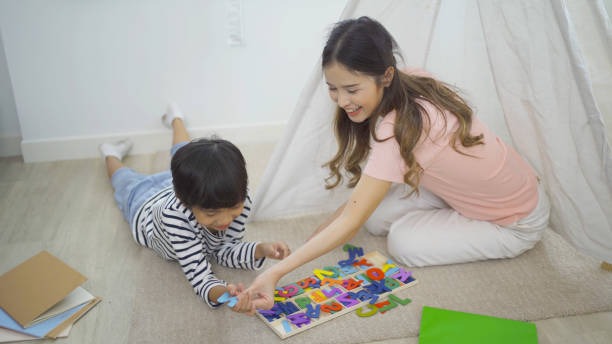
Creating a happy home for early education is a journey filled with warmth, exploration, and joy.
It’s about nurturing a space where curiosity thrives and children feel safe to learn and grow.
In this article, we’ll explore how to cultivate an environment that supports the early educational journey of your little ones, combining comfort with creativity and love.
A nurturing environment begins with the heart of the home—the family. Engaging with your child in a loving and supportive manner lays the groundwork for their educational experiences. When children sense their parents are present and invested in their learning, it fosters a sense of security. This emotional foundation allows them to explore the world with confidence, knowing that they have a safe haven to return to.
Creating spaces conducive to learning is essential. Consider the areas in your home where your child spends most of their time. A dedicated reading nook filled with colorful books can ignite a passion for stories and language. Soft cushions, a cozy blanket, and a well-lit corner can transform a simple space into an inviting retreat. The act of reading together, whether it’s a classic tale or a new adventure, not only strengthens your bond but also enriches their vocabulary and comprehension skills.
As your child grows, the importance of play in education cannot be overstated. Playtime is not just a break from learning; it’s an integral part of it. Through imaginative play, children develop critical thinking, problem-solving skills, and social interaction. Setting aside a space in your home for creative play allows children to express themselves freely. Art supplies, building blocks, and dress-up clothes can inspire creativity and innovation. Encourage your child to explore their interests; this exploration can lead to a deeper understanding of the world around them.
A small shift toward balance is also vital in the early education process. While structured learning is important, allowing for unstructured time is equally essential. Children should have the opportunity to engage in free play, where they can dictate the pace and direction of their activities. This balance helps cultivate independence and decision-making skills. It’s important to resist the urge to fill every moment with planned activities. Sometimes, the most valuable lessons come from the spontaneous moments of play and discovery.
Another aspect to consider in creating a happy home for early education is fostering a sense of community. Involving your child in family activities teaches them about teamwork and collaboration. Simple tasks, such as cooking a meal together or gardening, can be educational experiences filled with lessons in measurement, responsibility, and patience. These shared moments also provide opportunities for conversation, allowing your child to express their thoughts and feelings in a supportive environment.
As you cultivate this nurturing atmosphere, it’s important to be mindful of the emotional climate of your home. Children are incredibly sensitive to the moods and energies around them. A calm, positive environment encourages a sense of well-being and focus. Practicing mindfulness as a family can help create this atmosphere. Simple breathing exercises or quiet moments together can teach your child the value of being present. This practice can also help them manage their emotions, an essential skill for their development.
Incorporating nature into your home can also enhance the educational experience. Nature has a remarkable ability to inspire wonder and curiosity. If you have outdoor space, consider creating a small garden or a nature exploration area. Even a few potted plants can introduce children to the concepts of growth and responsibility. Nature walks provide endless opportunities for learning. Collecting leaves, observing insects, or simply enjoying the beauty around us can spark a child’s imagination and curiosity.
Technology also plays a role in early education, and finding a healthy balance with it is key. While digital tools can offer valuable educational resources, it’s important to integrate them thoughtfully into your child’s routine. Setting limits on screen time while encouraging interactive and educational content can enrich your child’s learning experience without overwhelming them. Engaging with technology together can also foster discussions about its role in the world, helping them navigate the digital landscape responsibly.
As your child embarks on their educational journey, it’s essential to celebrate their achievements, no matter how small. Acknowledging their efforts encourages a growth mindset, reinforcing the idea that learning is a continuous process. Create a space in your home where they can showcase their work, whether it’s artwork, projects, or milestones. This recognition instills pride and confidence, motivating them to keep exploring and learning.
In all these efforts, remember that the happiest homes are those filled with love, laughter, and understanding. Your presence as a parent is the most significant influence on your child’s education. By creating an atmosphere that embraces curiosity, creativity, and emotional well-being, you are laying the foundation for a lifelong love of learning.
In conclusion, a happy home for early education is not merely about the physical environment but the emotional connections and experiences shared within it. By nurturing a space that encourages exploration, creativity, and community, you can help your child flourish in their early educational journey. Embrace the moments, both big and small, and watch as your home becomes a sanctuary of learning and joy.