Exploring the world around us can be a delightful adventure, especially for young learners.
Geography is not just about memorizing maps or capitals; it’s a rich tapestry of cultures, landscapes, and stories waiting to be discovered.
Engaging children in geography through fun activities can spark their curiosity and foster a lifelong love for exploration. Here are some enjoyable geography activities that can make learning feel like play.
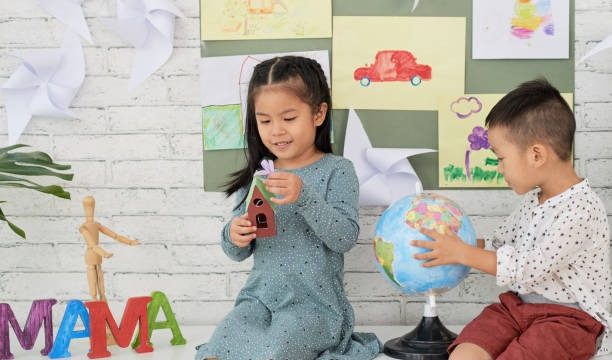
A journey through maps can be an exciting way to introduce children to geography. Start with a world map and invite your little ones to explore it together. You might create a scavenger hunt where they search for specific countries, oceans, or landmarks. This not only helps them understand spatial relationships but also ignites conversations about different cultures and environments. As they point to various places, share interesting facts or stories about those regions, making each discovery a little adventure in itself.
Another engaging activity is to create a geographical treasure map. Encourage your young learners to design their own maps, complete with landmarks, routes, and hidden treasures. They can use their imaginations to include fictional elements, such as dragons or enchanted forests, alongside real geographical features. This creative exercise helps them grasp the concept of mapping while allowing their creativity to flourish. Once completed, you can hold a treasure hunt in your backyard or home, where they follow the map to find hidden items.
Cooking can also be a delightful way to explore geography. Choose a country and prepare a dish that is traditional to that region. This culinary journey allows children to taste the world while learning about the culture and history behind the food. Discuss the ingredients used, their origins, and the significance of the dish in that culture. Cooking together can be a bonding experience, and it opens the door to discussions about various customs, traditions, and the importance of food in different societies.
Nature walks can be a gentle way to explore local geography. Take your children on a hike or a stroll in a nearby park, encouraging them to observe their surroundings. Ask them to identify different types of plants, animals, and geographical features like hills or rivers. You might even bring along a simple field guide to help them learn more about the flora and fauna they encounter. This hands-on experience fosters a connection to the environment and helps them appreciate the diversity of life in their own backyard.
A world culture day can be an enriching experience. Dedicate a day to learning about a specific country or culture. Encourage your children to dress in traditional clothing, listen to music from that region, and learn a few phrases in the local language. You might even create a small exhibit at home, showcasing art, artifacts, or photographs related to the culture. This immersive experience not only promotes understanding and respect for diversity but also makes geography come alive in a vibrant and engaging way.
Storytelling can be a powerful tool in teaching geography. Gather a selection of children’s books that take place in various countries or regions. Read these stories together and discuss the settings and backgrounds. After reading, invite your young learners to draw scenes from the stories or create their own tales set in different geographical locations. This activity helps them visualize the places they learn about while enhancing their creativity and comprehension skills.
Exploring geography through technology can also be captivating. Virtual reality experiences or geography-related apps can transport children to different parts of the world. They can explore famous landmarks, natural wonders, and even engage in interactive learning games. This modern approach allows them to experience places they may not have the opportunity to visit in person, making geography feel more accessible and exciting.
Another wonderful activity is to create a geography journal. Encourage your young learners to document their discoveries, thoughts, and drawings related to the geography lessons they engage in. This could include sketches of places they want to visit, notes on different cultures, or reflections on their nature walks. Keeping a journal not only reinforces their learning but also provides a creative outlet for their thoughts and feelings about the world around them.
As seasons change, so does the geography of our surroundings. Use these transitions as a chance to observe and learn. Discuss how different weather patterns affect landscapes, wildlife, and human activities. You might take seasonal photographs of the same location, documenting how it changes over time. This activity can spark discussions about climate, ecosystems, and the importance of caring for our environment.
Lastly, consider organizing a geography-themed game night. Board games that focus on geography can be both entertaining and educational. Games like “Ticket to Ride” or “Where in the World?” encourage players to think critically about geography while having fun. This interactive approach fosters teamwork and problem-solving skills, making learning feel like an enjoyable challenge.
Incorporating geography into your child’s learning journey can be a delightful experience. By blending creativity, exploration, and play, you can help them develop a deeper understanding of the world around them. These activities not only make geography engaging but also nurture a sense of curiosity and connection to the diverse cultures and landscapes that make our planet so unique. As you embark on these adventures together, you’ll create lasting memories and a foundation for a lifelong love of learning about geography.