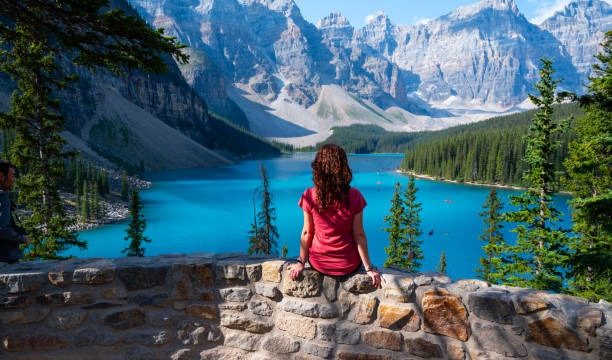
In the vast tapestry of our planet, geography plays a crucial role in shaping the climates we experience.
From the lush rainforests of the tropics to the icy expanses of the polar regions, the world’s climates are as diverse as the cultures and ecosystems they nurture.
Understanding this intricate relationship between geography and climate can deepen our appreciation for the natural world and guide us in making mindful choices in our daily lives.
The beauty of geography lies in its ability to influence climate in myriad ways. Mountains, for example, act as formidable barriers to prevailing winds, impacting precipitation patterns on either side. When moist air encounters a mountain range, it rises, cools, and condenses, leading to rainfall on the windward side. This phenomenon creates vibrant ecosystems, such as the temperate rainforests of the Pacific Northwest in the United States. Conversely, the leeward side, often referred to as the rain shadow, tends to be much drier, as seen in the arid landscapes of eastern Washington and Oregon. This interplay between elevation and moisture is a gentle reminder of nature’s balance.
As we venture further into understanding world climates, we come across the concept of latitude. The earth’s tilt and its journey around the sun create varied sunlight exposure across different latitudes. Regions near the equator bask in consistent, direct sunlight year-round, giving rise to tropical climates characterized by warmth and abundant rainfall. This is where the vibrant biodiversity of rainforests flourishes, fostering a sense of wonder and tranquility.
Moving towards the poles, we witness a gradual shift. The subtropical regions experience more distinct seasons, where warm summers give way to cooler winters. This transition creates a rich tapestry of experiences, from the colorful blooms of spring to the serene stillness of winter. The temperate zones offer a unique opportunity for people to engage with nature, as each season brings its own beauty and rhythm.
In the polar regions, the climate tells a different story. Here, the harsh cold and long winters create a stark but breathtaking landscape. The Arctic and Antarctic regions are defined by their icy expanses and unique ecosystems, where life adapts in remarkable ways. The resilience of species like polar bears and penguins serves as an inspiring testament to nature’s ability to thrive even in the most challenging conditions.
A small shift toward balance can also be observed in coastal areas, where the proximity to the ocean moderates climate extremes. The ocean acts like a giant heat reservoir, absorbing warmth during the day and releasing it at night. This results in milder climates, making coastal regions particularly attractive for human habitation. The gentle breezes and temperate conditions of places like California’s coastline or the Mediterranean shores create inviting environments for leisurely activities and communal gatherings.
As we explore the various climate zones, it’s essential to recognize that human activity has begun to alter these delicate balances. Climate change, driven by factors such as greenhouse gas emissions and deforestation, poses significant challenges to the natural world. The increasing frequency of extreme weather events, such as hurricanes and droughts, reminds us of our interconnectedness with the environment. This awareness encourages us to embrace sustainable practices in our daily lives, fostering a sense of responsibility toward the planet we call home.
In our quest for wellness, understanding the geography of world climates can also influence our lifestyle choices. The climates we inhabit can affect everything from the food we eat to the activities we enjoy. For instance, those living in warmer climates may find joy in outdoor pursuits year-round, while those in cooler regions might embrace cozy gatherings and winter sports. Acknowledging these climate influences can help us cultivate a deeper connection to our surroundings and promote a greater sense of well-being.
The diversity of world climates also enriches our cultural experiences. Each region’s climate shapes its traditions, cuisine, and ways of life. From the spicy flavors of tropical dishes to the hearty stews of colder climates, our palates are a reflection of the environment. Festivals and celebrations often revolve around seasonal changes, allowing communities to come together and honor the rhythms of nature. By appreciating these cultural expressions, we can foster a sense of unity and respect for the myriad ways people adapt to their climates.
As we reflect on the geography of world climates, it becomes clear that our planet is a complex and beautiful mosaic. Each climate zone offers unique characteristics and opportunities for growth, both for individuals and communities. By cultivating an awareness of these geographical influences, we can enhance our appreciation for the natural world and find harmony in our daily lives.
In conclusion, the interplay between geography and climate is a captivating journey that reveals the intricate connections within our world. From the peaks of towering mountains to the depths of the ocean, every element contributes to the rich diversity of climates we experience. By embracing this knowledge, we can foster a more profound respect for our environment and make choices that promote sustainability and well-being. As we navigate our own paths through life, let us remain attuned to the rhythms of nature, celebrating the beauty that surrounds us and the climates that shape our existence.