Learning About Physical Geography
In our fast-paced world, where technology often takes center stage, it’s easy to overlook the profound beauty and intricacies of our planet.
Physical geography, the branch of geography that examines the natural environment, offers a refreshing perspective.
It invites us to explore the landscapes that shape our lives, the climate that influences our daily routines, and the ecosystems that provide us with essential resources. Embarking on a journey into physical geography can be a pathway to deeper appreciation of our surroundings and a way to foster a sustainable mindset.
Understanding the Basics
At its core, physical geography encompasses the study of the Earth’s physical features. This includes landforms, climates, vegetation, soils, and the processes that create and change these elements over time. It’s a discipline that connects people with their environment, illuminating how natural phenomena influence human activities and vice versa.
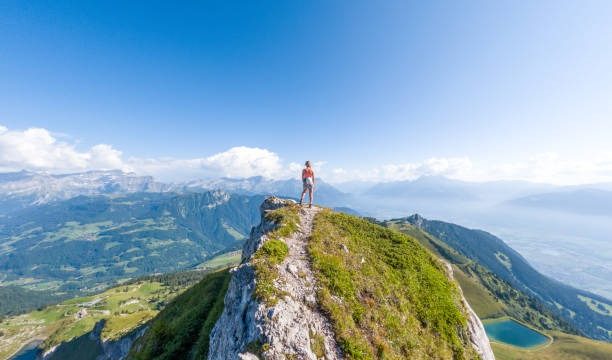
Imagine standing on a mountain peak, feeling the crisp air and taking in the panoramic view of valleys stretching below. This is more than just a beautiful sight; it’s a vivid illustration of geological processes that have shaped the landscape over millions of years. Learning about these processes can evoke a sense of wonder and curiosity, encouraging us to delve deeper into the stories that our planet tells.
The Influence of Climate
One of the most captivating aspects of physical geography is climate. The Earth’s climate is not just a backdrop; it actively shapes our experiences and the ecosystems around us. Understanding climate patterns helps us appreciate the diversity of environments—from the lush rainforests teeming with life to the stark beauty of arid deserts.
As we learn about climate, we also become aware of its changes. The conversation around climate change has never been more urgent. Engaging with physical geography equips us with the knowledge to understand these changes, fostering a sense of responsibility toward our planet. It invites us to consider how our actions impact the environment and encourages us to seek sustainable practices in our daily lives.
Exploring Landforms
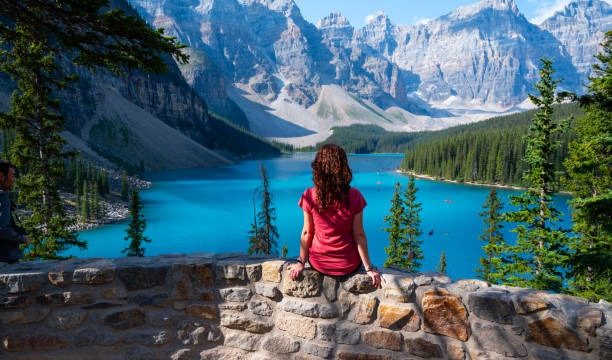
Landforms are another fascinating component of physical geography. Each mountain, river, valley, and coastline has its own unique story, formed by the interplay of natural forces like erosion, sedimentation, and tectonic activity. By studying these landforms, we can gain insights into the history of our planet and the dynamic processes that continue to shape it.
Consider the majestic Grand Canyon, a natural wonder carved by the relentless force of the Colorado River over millions of years. Learning about such landforms not only enhances our appreciation for nature but also inspires us to explore and connect with our surroundings. Whether it’s hiking a trail, kayaking a river, or simply enjoying a sunset over the hills, the landscapes we inhabit invite us to engage with them on a personal level.
The Importance of Ecosystems
As we venture further into the realm of physical geography, we encounter ecosystems—complex networks of living organisms and their physical environment. From the smallest microorganisms in the soil to the tallest trees in a rainforest, each component plays a vital role in maintaining balance. Understanding ecosystems fosters a greater awareness of biodiversity and the interconnectedness of life.
Learning about ecosystems encourages us to reflect on our role within them. How do our choices affect the delicate balance of nature? By fostering a sense of stewardship, we can contribute to the preservation of our environment. Whether it’s supporting local conservation efforts or simply choosing to reduce waste, every small action matters.
A Small Shift Toward Balance
Physical geography also teaches us about the delicate balance of natural systems. The Earth is a resilient entity, but it also has its limits. By understanding the natural processes that govern our planet, we can make informed decisions that promote harmony between human activities and the environment.
This journey toward balance is not just about the environment; it’s also about our personal well-being. Engaging with the natural world can be a source of solace and rejuvenation. Whether it’s a quiet walk through a forest or a day spent at the beach, connecting with nature can have a profound impact on our mental and emotional health.
Cultivating Curiosity
As we learn about physical geography, we cultivate a sense of curiosity that can enrich our lives. It encourages us to ask questions—about the world around us, the history of our landscapes, and the future of our environment. This curiosity can lead to a lifelong journey of exploration, whether through travel, outdoor activities, or simply observing the changes in our local environment.
Consider planning a weekend getaway to a national park or a local nature reserve. These experiences allow us to witness the beauty of physical geography firsthand and deepen our connection to the Earth. Each journey becomes an opportunity to learn, reflect, and appreciate the intricate web of life that surrounds us.
Embracing a Sustainable Future
As we navigate the complexities of modern life, embracing the lessons of physical geography can guide us toward a sustainable future. Understanding the natural world equips us with the knowledge to advocate for environmental protection and to make choices that honor our planet.
We can find inspiration in the resilience of nature. Just as ecosystems adapt and thrive, so can we. By fostering a mindset of sustainability, we contribute to a healthier planet for future generations. Learning about physical geography is not just an academic pursuit; it’s a pathway to a more conscious and fulfilling way of living.
In conclusion, exploring physical geography offers a rich tapestry of knowledge that enhances our connection to the Earth. It invites us to appreciate the beauty of our landscapes, understand the complexities of climate and ecosystems, and embrace our role as stewards of the environment. By engaging with the natural world, we not only enrich our lives but also contribute to a more sustainable and harmonious future. So, let’s take a moment to step outside, breathe in the fresh air, and immerse ourselves in the wonders of our planet.