In an age where technology is often at the forefront of our children’s education, it’s refreshing to see a resurgence of interest in hands-on science learning.
This approach not only stimulates curiosity but also fosters a deeper understanding of scientific concepts through tangible experiences.
When children engage with materials and experiments, they don’t just learn; they discover. Here, we explore a variety of educational resources that nurture this kind of learning, encouraging young minds to explore the wonders of science.
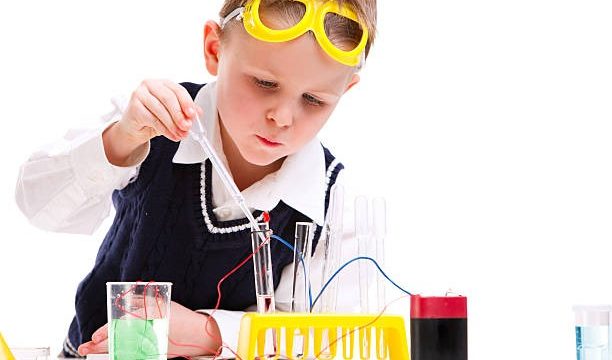
One of the most rewarding ways to inspire a love for science is through interactive kits that allow children to conduct experiments right at home. These kits often come equipped with all the necessary materials and instructions, making it easy for parents and children to dive into the world of scientific exploration together. From chemistry sets that allow for colorful reactions to biology kits that let kids observe plant growth or even dissect simple organisms, these resources can spark a lifelong interest in the sciences. The beauty of these kits lies in their ability to transform the kitchen or backyard into a laboratory, fostering creativity and inquiry.
Nature itself is one of the greatest classrooms, and resources that encourage outdoor exploration can be incredibly impactful. Nature journals, for example, invite children to document their observations. Through sketching plants, recording weather patterns, or noting animal behaviors, kids learn to appreciate the intricacies of the natural world. This practice not only enhances their observational skills but also encourages them to ask questions and seek answers, laying the groundwork for scientific reasoning.
Alongside journals, field guides can serve as invaluable companions for budding scientists. Whether it’s identifying local flora and fauna or observing the night sky, these guides help children connect with their environment on a deeper level. Parents can accompany their children on walks or hikes, using these guides to explore the ecosystem around them. This shared experience not only makes science engaging but also strengthens family bonds through collaborative learning.
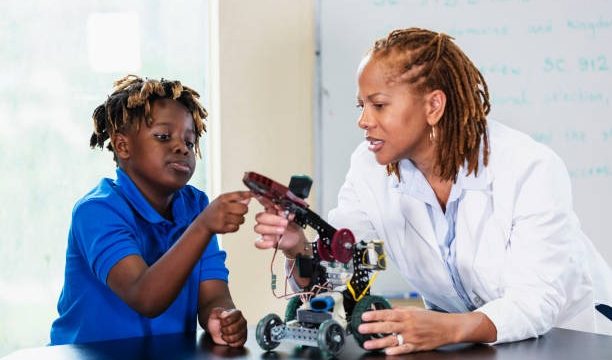
In recent years, the rise of maker spaces has provided an exciting platform for hands-on science learning. These community spaces often offer tools and materials for children to create, invent, and experiment. From building simple machines to coding robots, maker spaces blend creativity with technology, allowing children to see the practical applications of science in their everyday lives. The collaborative nature of these environments encourages teamwork and problem-solving, skills that are essential in both scientific endeavors and life.
For those who prefer a more structured approach, educational apps and online platforms can complement hands-on learning. Many of these resources offer interactive simulations that allow children to experiment virtually, providing a safe space to explore scientific concepts without the mess. For instance, virtual labs can simulate chemical reactions or physics experiments, giving children the opportunity to learn through trial and error. While these digital tools are a wonderful supplement, it’s essential to balance screen time with physical exploration to ensure a well-rounded educational experience.
Another avenue worth exploring is the world of science-themed books. There’s a treasure trove of literature that brings science to life through storytelling. Books that weave scientific principles into engaging narratives can pique a child’s interest and make complex concepts more relatable. When children see science as a part of everyday life, they are more likely to embrace it as a subject of study. Many libraries and bookstores also host events or workshops, allowing children to engage with science in a community setting.
As we delve deeper into the realm of education, the importance of mentorship cannot be overlooked. Connecting children with local scientists, educators, or even enthusiastic hobbyists can provide them with insights and inspiration. Many communities offer science fairs or clubs where children can present their projects and ideas. These platforms not only build confidence but also foster a sense of belonging in the scientific community. When children see real-world applications of science through mentorship, it can ignite a passion that lasts a lifetime.
Incorporating hands-on science learning into everyday life doesn’t have to be daunting. Simple activities like cooking can serve as a wonderful introduction to scientific principles. Measuring ingredients, observing changes in texture or color, and understanding the chemical reactions that occur during cooking can all be framed as science experiments. This approach seamlessly blends learning with daily routines, making science accessible and enjoyable.
There’s also a special joy in crafting. Projects that involve building or creating—be it through art, engineering, or even simple DIY science experiments—allow children to apply scientific principles in a tangible way. Whether it’s constructing a birdhouse, creating a volcano, or making slime, these activities not only enhance fine motor skills but also promote critical thinking. The satisfaction of creating something from scratch can be incredibly empowering for young learners.
As we consider the myriad of resources available, it’s important to remember that the goal of hands-on science learning is not merely to impart knowledge but to cultivate a sense of wonder. Encouraging questions, exploration, and experimentation fosters an environment where children feel free to express their curiosity. This mindset is essential for nurturing future innovators and problem-solvers.
Ultimately, the journey of hands-on science learning is about more than just facts and figures; it’s about instilling a sense of curiosity and a love for discovery. As we provide our children with the tools and opportunities to explore their interests, we are not only enriching their education but also empowering them to become lifelong learners. By embracing the many resources available, we can create a vibrant and engaging learning environment that celebrates the joy of science in all its forms.