In a world that is rapidly changing, the importance of engaging educational resources cannot be overstated.
Learning, at its core, should be a joyful and enriching experience, fostering curiosity and creativity.
Thankfully, there are countless resources available that make the process not only informative but also fun and interactive. Whether you are a parent, teacher, or lifelong learner, exploring these tools can transform the way we approach learning.
One of the most delightful aspects of learning today is the wealth of digital resources at our fingertips. Online platforms have emerged that blend education with entertainment, allowing learners to explore subjects they love in a more dynamic way. Websites like Khan Academy, for instance, offer a plethora of video tutorials and interactive exercises that cater to various learning styles. This platform empowers students to learn at their own pace, making difficult concepts more accessible and less daunting. The joy of mastering a challenging topic can be incredibly rewarding, and these resources allow for that personal achievement to shine.
Another exciting avenue for engaging education is through gamification. Educational games have gained popularity for a reason—they make learning feel like play. Platforms such as ABCmouse and Prodigy Math Game turn subjects like reading and math into adventures. Kids can embark on quests, earn rewards, and compete with friends, all while developing essential skills. This playful approach can spark a love for learning that lasts a lifetime. When children associate education with fun, it can lead to a more profound and meaningful understanding of the material.
For those who thrive on creativity, incorporating arts into education can be a game changer. Resources that encourage artistic expression can enhance learning by allowing students to explore concepts through various mediums. Websites like Art for Kids Hub provide step-by-step video tutorials that guide children in drawing, painting, and crafting. This not only nurtures their artistic talents but also helps them grasp complex ideas visually. When learners are encouraged to express themselves, they often find deeper connections to the material, making the learning experience more meaningful and memorable.
In recent years, the rise of virtual and augmented reality has opened up new dimensions in education. Imagine exploring the depths of the ocean or walking on the surface of Mars from your living room. Tools like Google Expeditions allow students to take virtual field trips, experiencing environments and cultures that would otherwise be out of reach. This immersive approach invites learners to engage with the material in a way that traditional textbooks cannot. By experiencing history, science, or geography firsthand, students can cultivate a sense of wonder and curiosity that drives them to learn more.
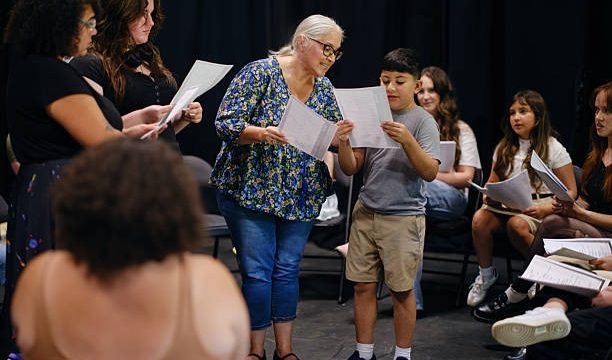
Community involvement is another essential aspect of meaningful education. Learning does not happen in isolation; it flourishes in collaborative environments. Many local libraries and community centers offer workshops, classes, and events designed to bring people together. These settings provide opportunities for learners of all ages to connect, share ideas, and support each other’s educational journeys. Whether it’s a book club, a science fair, or an art exhibit, participating in community events can enrich the learning experience and create lasting bonds.
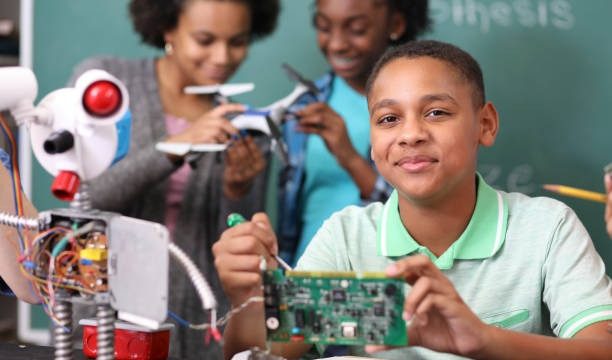
As we explore the landscape of educational resources, it’s essential to recognize the value of hands-on learning. Many students thrive when they can engage with materials directly. DIY kits and science experiment sets can spark curiosity and encourage experimentation. For instance, building a model volcano or creating a simple circuit can inspire a love for science and engineering. When learners can touch, build, and create, they often gain a deeper understanding of the concepts at play. This tactile experience can transform abstract ideas into tangible knowledge.
The role of storytelling in education cannot be overlooked either. Stories have a unique ability to captivate and inspire. Integrating literature into learning can make subjects more relatable and engaging. Resources like Storyline Online offer free videos of actors reading children’s books, bringing stories to life. This not only enhances literacy skills but also encourages imagination and empathy. When students connect emotionally to a story, they are more likely to remember the lessons woven within it.
In this digital age, the importance of balance remains vital. While technology offers incredible opportunities for interactive learning, it’s essential to incorporate traditional methods as well. Reading physical books, writing in journals, or engaging in face-to-face discussions can complement digital resources beautifully. This blend of old and new can create a rich tapestry of learning experiences that cater to diverse preferences and needs.
As we navigate the multitude of educational resources available, it’s crucial to approach learning with an open mind and a spirit of exploration. Embracing a variety of tools and methods can lead to a more fulfilling educational experience. Whether through digital platforms, community involvement, hands-on activities, or storytelling, the aim should always be to inspire curiosity and foster a love for learning.
Ultimately, the journey of education is about more than just acquiring knowledge. It is about nurturing the whole person, encouraging growth, and fostering a sense of wonder about the world. By choosing resources that make learning fun, interactive, and meaningful, we can cultivate an environment where learners thrive. As we continue to explore and innovate in the realm of education, let us remember the joy that comes from learning and the beauty of sharing that journey with others.