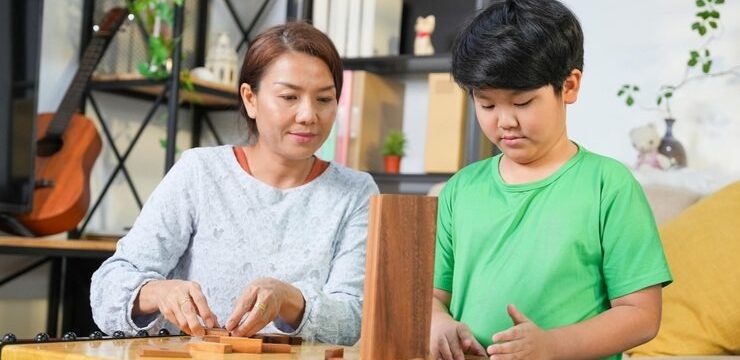
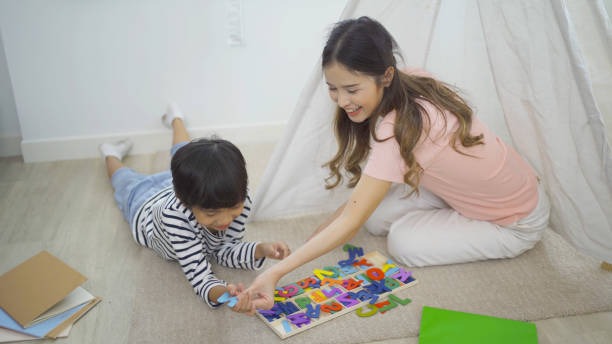
Engaging in hands-on activities can be a delightful way to foster fine motor skills, especially for young children.
These skills are essential for everyday tasks, from writing to buttoning shirts.
Fortunately, there are countless fun projects that can help develop these skills while also allowing for creativity and exploration. In this article, we will explore a variety of enjoyable activities that can be easily incorporated into daily life.
A gentle introduction to fine motor skills
Fine motor skills refer to the small movements that involve the coordination of hands and fingers. These skills are crucial for tasks that require precision and control. Activities that promote fine motor development can be both entertaining and educational, making them perfect for family time or solo play. Whether you are a parent, caregiver, or teacher, you’ll find that these projects can be adapted to suit different age groups and interests.
Creating with clay
One of the most tactile activities for developing fine motor skills is working with clay. This malleable medium allows for endless creativity, whether you are molding simple shapes or crafting intricate designs. Clay manipulation strengthens hand muscles and enhances dexterity. Encourage children to roll, pinch, and flatten the clay, which will help them practice gripping and controlling their movements. You can introduce themes such as animals, food, or seasonal items to spark their imagination.
Gardening together
Gardening is not just a peaceful pastime; it also offers a wonderful opportunity to enhance fine motor skills. Simple tasks like planting seeds, watering plants, or pulling weeds require precise hand movements. You can start a small garden at home or even use pots on a balcony. Children can dig in the soil, carefully place seeds, and learn to nurture plants. This connection with nature is not only beneficial for their motor skills but also fosters a sense of responsibility and care for living things.
Crafting with paper
Paper crafts can be an exciting way to engage children in fine motor activities. From cutting and gluing to folding and decorating, there are countless possibilities. Origami is a particularly enjoyable way to develop these skills. As children learn to fold paper into various shapes, they practice precision and patience. You can also create greeting cards, collages, or paper chains together. These activities not only improve dexterity but also allow for personal expression.
Cooking and baking
Involving children in the kitchen can be a delightful way to work on fine motor skills. Cooking and baking require a variety of movements such as mixing, pouring, chopping, and kneading. Simple recipes, like making cookies or a fruit salad, can be both fun and educational. Children can practice measuring ingredients, stirring mixtures, and even decorating their creations. The sensory experience of different textures and smells adds another layer of enjoyment to the process.
Exploring with beads
Stringing beads is a classic activity that is both enjoyable and beneficial for fine motor development. Children can create necklaces, bracelets, or even decorative keychains. This activity requires them to use their fingers to grasp and manipulate small objects, promoting hand-eye coordination and precision. You can introduce different shapes, sizes, and colors of beads to encourage creativity and exploration. Sharing stories about the designs they create can also enhance their verbal skills and imagination.
Building with blocks
Playing with building blocks is another fantastic way to nurture fine motor skills. As children stack, balance, and connect different pieces, they engage their hands in a variety of movements. This type of play not only develops dexterity but also encourages problem-solving and spatial awareness. You can challenge them to create specific structures or let their imagination run wild, building whatever comes to mind. The satisfaction of seeing their creations stand tall is a wonderful reward for their efforts.
Painting and drawing
Artistic expression through painting and drawing is a lovely way to develop fine motor skills while encouraging creativity. Using brushes, crayons, or even fingers to create art allows children to explore different techniques and styles. Encourage them to experiment with various tools and materials, such as sponges, stamps, or even natural objects like leaves. The act of moving their hands and fingers in different ways fosters control and coordination, all while letting their creativity shine.
Exploring nature
Nature offers a treasure trove of opportunities for fine motor skill development. Collecting items like leaves, stones, or flowers can be a fun way to engage children in outdoor exploration. Once you have gathered your treasures, you can create nature-inspired art or even a scrapbook. Sorting and arranging the collected items can provide additional practice in hand coordination. This activity not only enhances fine motor skills but also instills an appreciation for the environment.
The joy of sewing
Introducing simple sewing projects can be a rewarding way to develop fine motor skills. Starting with basic tasks like threading a needle or tying knots can be a gentle introduction. As children gain confidence, they can progress to simple stitching projects like sewing felt shapes together. This activity enhances precision and control, all while providing a sense of accomplishment. You might even consider creating small gifts or decorations that can be used around the home.
Finding joy in everyday tasks
While structured projects are valuable, everyday tasks can also provide ample opportunities for fine motor skill development. Simple chores like folding laundry, setting the table, or organizing toys can engage children’s hands in meaningful ways. By inviting them to participate in these tasks, you help them build essential skills while also fostering a sense of independence and responsibility.
The beauty of connection
Engaging in activities that develop fine motor skills is not just about the tasks themselves; it’s also about the connections made during the process. Whether you’re crafting, cooking, or exploring, these moments spent together can strengthen relationships and create lasting memories. The joy of creation, the laughter shared, and the pride in accomplishments all contribute to a nurturing environment where skills can flourish.
In conclusion, the journey of developing fine motor skills can be a delightful adventure. By incorporating fun projects into daily life, we can support children in building these essential skills while also fostering creativity, imagination, and connection. So gather your materials, invite your little ones to join in, and enjoy the beautiful process of learning and growing together.