In a world where screens often dominate our children’s attention, nurturing a love for science and nature can feel like a daunting task.
However, this journey doesn’t have to be overwhelming.
By weaving elements of the natural world into everyday life, we can help our kids cultivate curiosity and appreciation for the wonders around them.
Creating a nurturing environment where science meets the great outdoors can be as simple as stepping outside and observing. Nature itself is an endless classroom filled with opportunities for discovery. Whether it’s observing insects in the garden, watching the clouds shift shapes, or collecting leaves of different colors and sizes, these experiences can ignite a child’s imagination and inspire a lifelong passion for learning.
A gentle introduction to the world of science can start with the simplest of activities. Take a walk in a nearby park or even just around the neighborhood. Encourage your child to notice the different plants and animals they encounter. Ask open-ended questions like, “What do you think this flower needs to grow?” or “How do you think this bird finds food?” These conversations not only spark curiosity but also encourage critical thinking.
Exploring the outdoors can be a sensory experience. Encourage your children to touch the rough bark of a tree, feel the coolness of a stream, or listen to the rustle of leaves in the breeze. Each sensory experience can lead to a deeper understanding of the natural world. By engaging their senses, children can form connections that spark their interest in science.
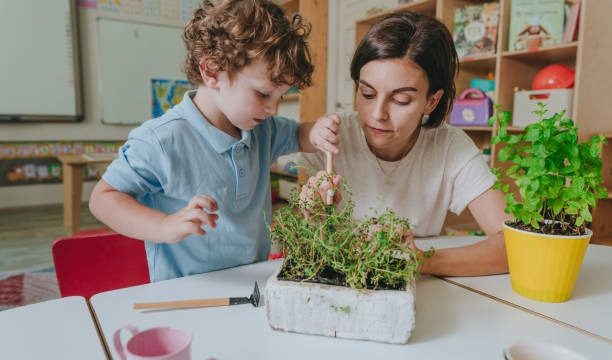
Gardening is another wonderful way to help kids discover the magic of nature. Whether you have a sprawling backyard or a small balcony, planting seeds and watching them grow can be a captivating process. Kids can learn about life cycles, the importance of pollinators, and the different nutrients plants need to thrive. Gardening can also teach patience, responsibility, and the joy of nurturing something from seed to fruition.
As seasons change, so too can the lessons learned from the garden. In spring, you might explore the concept of growth, while autumn can provide insights into change and preparation for winter. Each season offers unique opportunities to delve deeper into scientific concepts, such as weather patterns or the lifecycle of plants and animals.
Nature walks can be enhanced by incorporating simple science experiments. For instance, you can collect soil samples and examine them at home. This could lead to discussions about the different types of soil and their importance to the ecosystem. You might also try observing the weather. Have your child keep a weather journal, noting changes and patterns they observe. This can foster a greater understanding of meteorology while encouraging regular observation of the world around them.
Books can be excellent companions on this journey. Introducing children to literature that explores science and nature can open their eyes to new ideas and possibilities. Look for beautifully illustrated books that bring the wonders of the natural world to life. Reading together can spark conversations and inspire questions that lead to further exploration.
Incorporating science into everyday activities can also be an enjoyable way to learn. Cooking, for instance, offers a chance to explore chemistry in a fun and delicious way. Discussing the transformations that occur when mixing ingredients can lead to a greater understanding of reactions. Baking bread can illustrate the process of fermentation, while making ice cream can introduce concepts of freezing and temperature.
As kids grow older, fostering a sense of exploration can take on new dimensions. Encourage them to pursue their interests, whether that means joining a science club, participating in nature camps, or simply exploring hobbies like birdwatching or rock collecting. Each of these activities can deepen their connection to science and nature in a meaningful way.
While structured activities are valuable, it’s equally important to allow for unstructured exploration. This can mean letting children play freely in the backyard or creating a nature scavenger hunt. Unstructured playtime allows kids to engage with their surroundings, fostering creativity and independent thinking.
In our fast-paced world, it’s essential to make time for these moments of discovery. Setting aside regular family time to engage with nature can create lasting memories and instill a sense of wonder. Whether it’s a weekend hike, a visit to a local nature reserve, or simply stargazing in the backyard, these experiences can strengthen family bonds while enriching a child’s understanding of the world.
As parents and caregivers, our enthusiasm can be contagious. When we share our own love for science and nature, we inspire our children to embrace these subjects with open hearts and curious minds. Remember, it’s not about perfection or formal education; it’s about fostering an environment where questions are welcomed, and exploration is encouraged.
The journey of helping kids discover science and nature is not just about imparting knowledge; it’s about nurturing a mindset of curiosity and resilience. By creating a space where children feel safe to explore, ask questions, and make mistakes, we empower them to become lifelong learners.
In the end, the beauty of nature and the wonders of science are all around us, waiting to be discovered. By guiding our children to see the magic in the everyday, we help them develop a profound appreciation for the world and their place within it. This appreciation can lead to a lifetime of exploration, understanding, and joy. As we embark on this journey together, we not only enrich their lives but also our own, finding peace and connection in the shared experience of discovery.