Math often gets a bad rap, especially among young learners.
The mere mention of numbers and equations can induce groans and eye rolls, as if those little digits hold the power to suck the joy right out of the room.
However, math can be a delightful adventure filled with puzzles, games, and creative challenges that spark curiosity and foster a love for learning. In this article, we will explore some fun math puzzles that are perfect for young learners, transforming the way they see this important subject.
A joyful entry into the world of numbers
Imagine a scenario where your child approaches you with excitement, eager to solve a math problem. This shift from dread to enthusiasm can be achieved with engaging math puzzles. These puzzles not only challenge young minds but also encourage critical thinking and problem-solving skills. They are like little treasures that can be uncovered in the realm of mathematics, revealing the beauty and fun hidden within.
One delightful way to introduce math puzzles is through storytelling. You can create a narrative where numbers come alive, with characters representing different digits embarking on exciting adventures. For instance, you might tell a story about a brave number 5 who needs to team up with number 3 to defeat the villainous number 8. As children follow along, they can solve simple addition or subtraction problems to help the characters succeed. This approach not only makes math relatable but also nurtures creativity and imagination.
A gentle nudge toward exploration
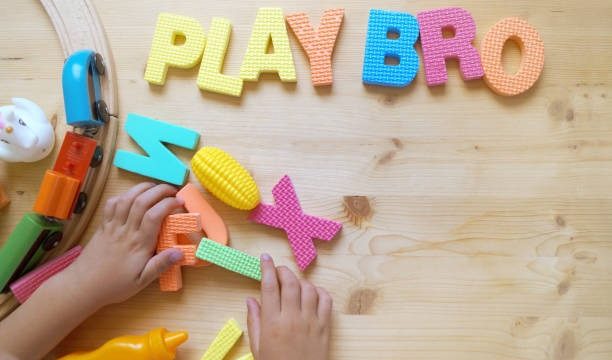
Another engaging method to introduce math puzzles is through hands-on activities. Consider using everyday objects like fruits, toys, or even household items to create simple math challenges. For example, you can set up a mini scavenger hunt where your child has to find a specific number of items around the house. This not only reinforces counting skills but also encourages them to think critically about how to organize and group their finds.
Incorporating art into math can also be a wonderful way to engage young learners. You might invite your child to create a colorful number collage using cut-out shapes and pictures. As they arrange their artwork, you can introduce concepts like symmetry and patterns. This blend of creativity and mathematics allows children to experience the subject in a more holistic way, making it feel less like a chore and more like an enjoyable pastime.
Encouraging collaborative problem-solving
Math puzzles can also be a fantastic way to foster teamwork among peers. You might host a math puzzle night with friends or family, where everyone can work together to solve different challenges. This social aspect of learning not only makes math more enjoyable but also encourages communication and collaboration. Children can share their thought processes and strategies, learning from one another in a supportive environment.
Consider introducing classic puzzles like Sudoku or logic puzzles that can be adapted for various age levels. These types of puzzles require critical thinking and strategy, making them an excellent choice for group activities. You can even create your own puzzles based on your child’s interests, ensuring that the challenges resonate with them personally.
The allure of math games
Games are a natural way to incorporate learning into playtime. Board games that involve counting, strategy, or basic arithmetic can be incredibly effective in building foundational math skills. Games like “Monopoly Junior” or “Sum Swamp” provide a fun backdrop for practicing math without the pressure of traditional worksheets. As children engage in these games, they are often so absorbed in the fun that they don’t even realize they are learning.
Digital apps and online resources can also offer interactive math puzzles and games. Many educational apps are designed with colorful graphics and engaging storylines that captivate young learners. These platforms often provide instant feedback, which can help children understand their mistakes and learn from them in a supportive way.
Celebrating small victories
Perhaps one of the most important aspects of introducing math puzzles to young learners is the celebration of progress, no matter how small. Acknowledge their efforts and successes, whether they solve a challenging puzzle or improve their counting skills. This positive reinforcement helps build confidence and encourages a growth mindset, where children learn to embrace challenges rather than shy away from them.
Consider creating a “math accomplishments” wall in your home where your child can display their completed puzzles, drawings, or any math-related achievements. This visual representation of their progress can serve as a source of motivation and pride, reinforcing the idea that math is a journey filled with exploration and discovery.
A final thought on nurturing curiosity
As we encourage young learners to embrace the world of mathematics through fun puzzles and games, it’s essential to remember that every child is unique. Some may find joy in solving numeric riddles, while others may prefer exploring math through art or storytelling. The key is to remain flexible and open to different approaches, allowing each child to discover their own path in the vast landscape of learning.
In cultivating a love for math, we are not just teaching numbers and equations; we are nurturing curiosity, creativity, and critical thinking skills that will serve them well throughout their lives. With a little imagination and a sprinkle of fun, we can transform math from a daunting subject into a delightful adventure that sparks joy and wonder in young minds. So, let’s embark on this journey together, celebrating every step along the way as we uncover the magic of math.