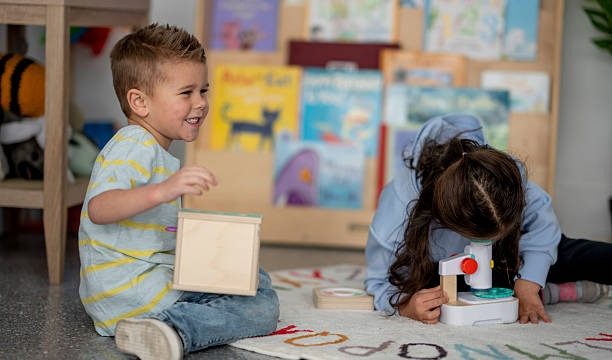
Creating an inquiry-friendly classroom is about more than just fostering curiosity; it’s about nurturing a sense of wonder and encouraging students to engage with the world around them.
In a time when education is evolving, the need for classrooms that inspire questions and critical thinking has never been more vital.
This article explores various approaches to cultivate an environment where inquiry thrives, ultimately leading to a more enriching learning experience for students.
A gentle invitation to wonder
One of the first steps in creating an inquiry-friendly classroom is to invite students into the process of learning with an open heart. This can start with simple yet profound changes in how lessons are introduced. Rather than presenting information as a set of facts to be memorized, educators can frame lessons around intriguing questions or real-world problems. For example, instead of teaching a unit on ecosystems by listing facts about food chains, a teacher might pose a question like, “What would happen if one species disappeared from our local environment?” This approach not only piques curiosity but also encourages students to think critically and explore the interconnectedness of life.
Encouraging student voice
In an inquiry-friendly classroom, student voice plays a vital role. When students feel their opinions and questions are valued, they are more likely to engage deeply with the material. Creating opportunities for students to share their thoughts can be as simple as implementing regular discussion circles or encouraging collaborative projects where each student’s perspective is heard. This sense of community fosters a safe space for students to express their ideas, ask questions, and explore different viewpoints without fear of judgment.
The power of exploration
Another approach to fostering inquiry is to incorporate exploration into the learning process. Hands-on activities, experiments, and field trips can ignite a passion for discovery. For instance, a science lesson about plant biology can be transformed into an interactive experience by allowing students to plant seeds, observe their growth, and reflect on the changes they witness over time. This tactile engagement not only solidifies understanding but also reinforces the idea that learning is a dynamic, ongoing process.
Creating a rich resource environment
An inquiry-friendly classroom is often characterized by its resources. A well-stocked classroom library, access to technology, and a variety of materials can spark curiosity and encourage independent exploration. Consider curating a collection of books, articles, and multimedia that cater to diverse interests and reading levels. Additionally, providing access to online resources and educational tools can empower students to seek information and pursue inquiries that resonate with them personally.
Fostering a culture of inquiry
Cultivating a culture of inquiry within the classroom involves modeling curiosity and encouraging students to ask questions. Educators can demonstrate their own enthusiasm for learning by sharing their interests, ongoing projects, or questions they are exploring. By displaying vulnerability and a willingness to learn alongside their students, teachers can inspire a similar mindset in their classrooms. Encouraging students to embrace uncertainty and view challenges as opportunities for growth can further nurture this culture.
A small shift toward balance
Balancing structure and flexibility is essential in an inquiry-friendly classroom. While it is important to have a curriculum and learning objectives, allowing room for spontaneity can lead to unexpected and enriching learning experiences. Educators can create a framework that guides inquiry while remaining open to student interests and questions. This balance allows for a more organic flow of learning, where students feel free to pursue their curiosities without feeling constrained by rigid guidelines.
Building connections to the real world
Connecting classroom learning to the real world enhances the relevance of inquiries. When students can see the practical applications of what they are learning, their motivation often increases. Incorporating community projects, inviting guest speakers, or taking part in local events can bridge the gap between classroom theory and real-life experiences. Such connections not only enrich students’ understanding but also foster a sense of responsibility and engagement with their communities.
Encouraging reflective practice
Reflection is a powerful tool in the inquiry process. Providing time for students to reflect on their learning experiences can deepen their understanding and foster a lifelong love of learning. Journaling, group discussions, or even creative projects can serve as avenues for reflection. Encouraging students to think about what they learned, how they felt, and what questions arose during the process can help solidify their knowledge and inspire future inquiries.
Nurturing resilience and adaptability
In an inquiry-friendly classroom, resilience and adaptability are key traits for both educators and students. Learning is not always a linear path, and setbacks can often lead to the most profound insights. Encouraging a mindset that embraces challenges and views mistakes as valuable learning opportunities can build resilience in students. Teachers can share their own experiences of overcoming obstacles, fostering an understanding that inquiry is a journey full of twists and turns.
Celebrating curiosity
Finally, celebrating curiosity and the process of inquiry can reinforce its importance in the classroom. Recognizing students for their questions, creative ideas, and innovative solutions encourages a culture where curiosity is cherished. This could be as simple as showcasing student projects, creating a “question wall,” or hosting inquiry fairs where students present their findings. Celebrating these moments not only motivates students but also highlights the value of inquiry as a fundamental aspect of learning.
Creating an inquiry-friendly classroom is a journey that requires intention, creativity, and a commitment to fostering curiosity. By inviting wonder, encouraging student voice, and building connections to the real world, educators can cultivate an environment where inquiry thrives. As students engage with the world around them, they not only gain knowledge but also develop a lifelong passion for learning that extends beyond the classroom. In nurturing this spirit, we prepare students not just to answer questions but to ask them, fostering a generation of inquisitive thinkers ready to explore the endless possibilities that lie ahead.