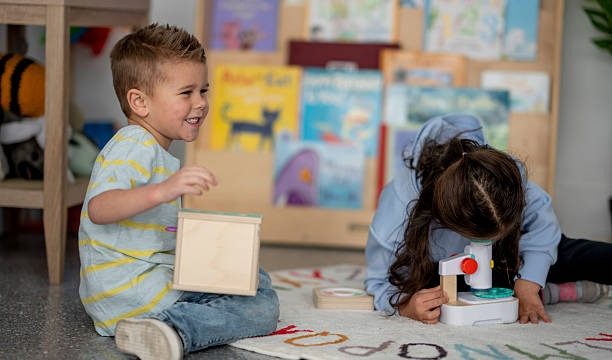
In the ever-evolving landscape of education, there’s a growing recognition of the importance of inquiry learning.
This approach encourages students to ask questions, engage deeply with content, and explore their own interests.
It’s not just about acquiring knowledge; it’s about fostering a mindset that embraces curiosity and growth. When we think of inquiry learning, we envision a classroom filled with vibrant discussions, hands-on experiments, and a sense of wonder that extends beyond the confines of textbooks.
Inquiry learning is rooted in the idea that students learn best when they are active participants in their education. Rather than passively receiving information, they engage with it, dissecting concepts and forming connections. This approach allows learners to take ownership of their educational journey, cultivating skills that are essential not only in school but also in life. Through inquiry, students develop critical thinking, problem-solving abilities, and a love for learning that can last a lifetime.
A small shift toward balance
While the traditional education model often emphasizes rote memorization and standardized testing, inquiry learning invites a shift toward a more balanced approach. In this framework, teachers act as facilitators, guiding students as they navigate their questions and explore various avenues of knowledge. This method encourages a deeper understanding of subjects, as students are motivated to seek answers that resonate with their own experiences and interests.
Imagine a science classroom where students are not just told about ecosystems but are instead encouraged to investigate their local environment. They might venture outside to observe plants and animals, collect samples, and ask questions about their findings. This hands-on experience not only solidifies their understanding of ecological concepts but also instills a sense of responsibility toward the natural world. By engaging with their surroundings, students learn to appreciate the interconnectedness of life.
Nurturing curiosity and creativity
One of the most beautiful aspects of inquiry learning is its ability to nurture curiosity and creativity. In a world that often prioritizes results over the learning process, fostering a sense of wonder can feel like a revolutionary act. When students are encouraged to ask questions, they become more invested in their learning. They feel empowered to explore topics that ignite their passions, leading to a more personalized and meaningful educational experience.
In a classroom that values inquiry, it’s common to see students collaborating on projects, sharing their findings, and learning from one another. This collaborative spirit not only enhances their understanding of different perspectives but also builds essential social skills. The ability to communicate ideas, listen actively, and work in teams is invaluable in today’s interconnected world. Inquiry learning creates a supportive environment where students feel safe to express their thoughts and ideas, fostering a sense of belonging.
The role of reflection in growth
Reflection is another vital component of inquiry learning. When students take the time to think about their experiences, they gain insights that can lead to personal growth. Reflection encourages them to assess what they’ve learned, how they’ve approached challenges, and what they might do differently next time. This process of self-evaluation helps students develop resilience, a quality that will serve them well throughout their lives.
Consider the journey of a student who embarks on a research project. Initially, they may feel overwhelmed by the vast amount of information available. However, through inquiry, they learn to break down the project into manageable parts. As they progress, they reflect on their findings, recognizing what techniques worked well and what didn’t. This practice not only enhances their understanding of the subject matter but also cultivates a growth mindset—an essential aspect of lifelong learning.
Creating a culture of inquiry
For inquiry learning to flourish, it’s essential to create a culture that values questioning and exploration. This culture begins with educators who model curiosity themselves. When teachers share their own questions and interests, they inspire students to do the same. A classroom filled with enthusiasm and a shared love of learning can transform the educational experience.
Parents also play a crucial role in nurturing inquiry outside the classroom. Encouraging children to ask questions, explore new interests, and pursue hobbies can reinforce the principles of inquiry learning. Family outings to museums, nature centers, or cultural events provide opportunities for rich discussions and shared discoveries. By fostering a home environment that values exploration, parents can help their children develop a lifelong love for learning.
The impact on personal development
Inquiry learning not only shapes academic skills but also contributes to personal development. As students engage in this process, they learn to trust their instincts and develop confidence in their abilities. They become more adaptable, learning to navigate uncertainty and embrace challenges. These qualities are vital in a world that is constantly changing, equipping students to thrive in diverse environments.
Moreover, inquiry learning encourages empathy and understanding. By exploring topics that matter to them and engaging with different viewpoints, students develop a broader perspective of the world. This sense of empathy fosters a culture of respect and inclusivity, where diverse voices are heard and valued. In this way, inquiry learning not only benefits individual students but also contributes to a more compassionate society.
Looking ahead
As we embrace the potential of inquiry learning, it’s essential to recognize that growth is a journey, not a destination. Encouraging students to ask questions, explore their interests, and reflect on their experiences lays the foundation for a lifetime of learning. The skills and mindsets cultivated through inquiry extend far beyond the classroom, preparing students for an ever-evolving world.
In this era of rapid change, the ability to adapt, think critically, and collaborate with others is more important than ever. By fostering a culture of inquiry, we empower the next generation to navigate the complexities of life with curiosity, resilience, and a passion for discovery. As educators, parents, and community members, we have the opportunity to inspire a love for learning that can change lives, one question at a time. In this shared journey, we can all play a part in nurturing the growth of curious minds.