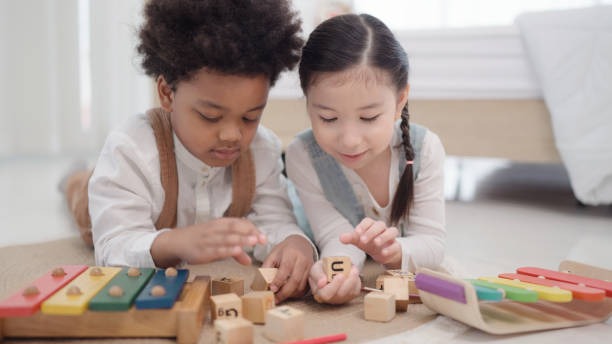
Creating a nurturing environment in the classroom is essential for fostering both learning and personal growth.
As educators, we hold a unique responsibility to guide our students not only in their academic pursuits but also in their social interactions and emotional development.
Establishing clear expectations in the classroom is a vital step in creating this nurturing space. It is about more than simply laying down rules; it’s about cultivating a culture of respect, understanding, and cooperation.
A gentle foundation of expectations can shape the dynamics of the classroom. When students understand what is expected of them, they are more likely to thrive. This clarity provides a sense of security and helps students feel more at ease in their learning environment. It’s important to communicate these expectations in a way that resonates with students, making them feel involved in the process and responsible for their actions.
One of the first steps in setting classroom expectations is to engage students in a conversation about what makes a positive learning environment. This collaborative approach not only empowers students but also allows them to take ownership of their behavior. When students contribute to the conversation, they are more likely to understand the reasoning behind certain guidelines. Encouraging them to share their thoughts on respect, kindness, and cooperation can lead to a more inclusive atmosphere where everyone feels valued.
As discussions unfold, it’s helpful to frame expectations in a positive light. Instead of stating what students should not do, focus on what they can do to create a supportive learning environment. For example, rather than saying “don’t interrupt,” you might say, “let’s practice listening to one another.” This subtle shift not only promotes a more positive mindset but also encourages students to actively engage in constructive behaviors.
A small shift toward balance can also be beneficial when discussing classroom expectations. It’s essential to strike a balance between maintaining structure and allowing for flexibility. While clear guidelines are necessary, it’s equally important to recognize that students are individuals with diverse needs and learning styles. Being open to adjustments in expectations can help accommodate various personalities and promote a sense of belonging.
Creating a visual representation of classroom expectations can enhance understanding and retention. A simple poster or chart that outlines key expectations can serve as a constant reminder for students. This visual aid can be designed collaboratively with students, incorporating their ideas and feedback. By making it a group effort, you reinforce the notion that everyone plays a role in upholding the classroom culture.
Another vital aspect of classroom expectations is the importance of modeling behavior. As educators, we are role models for our students, and they often look to us for guidance in how to navigate social interactions. Demonstrating respect, patience, and kindness in our own actions sets a powerful example. When students observe these behaviors, they are more likely to mirror them in their interactions with peers.
Encouraging a culture of kindness is also essential. Acknowledging and celebrating acts of kindness can reinforce positive behavior. Simple gestures, such as verbal praise or a small token of appreciation, can go a long way in motivating students to continue being respectful and supportive of one another. When kindness is recognized and valued, it becomes a natural part of the classroom culture.
It’s important to remember that establishing classroom expectations is an ongoing process. Regularly revisiting the expectations helps keep them fresh in students’ minds and allows for adjustments based on the evolving dynamics of the classroom. This practice can also serve as an opportunity for reflection, where students can discuss what is working well and where they might need additional support.
In moments of challenge, it’s crucial to approach behavior issues with empathy and understanding. Instead of reacting with frustration, take a step back to assess the situation. Engaging students in conversations about their behavior can help them gain insight into their actions and the impact they have on others. By fostering an environment where students feel safe to express themselves, you encourage personal growth and accountability.
Creating classroom expectations also extends beyond the walls of the classroom. Encouraging students to carry these values into their interactions outside of school helps reinforce their importance. Discussing how respect and kindness can positively affect their relationships with family and friends can create a ripple effect that extends into the community.
As the school year progresses, celebrating achievements and milestones can help maintain motivation and reinforce positive behavior. Acknowledging individual and collective successes fosters a sense of pride and belonging among students. This sense of accomplishment can ignite a passion for learning and encourage students to strive for excellence in all areas of their lives.
In the end, establishing clear and positive classroom expectations is about creating a nurturing environment where students feel supported and empowered. It is a journey that requires patience, understanding, and collaboration. By involving students in the process and modeling the behaviors we wish to see, we can cultivate a space that encourages growth, respect, and a love for learning.
As educators, we have the privilege of shaping the experiences of young minds. By fostering a positive classroom culture grounded in clear expectations, we not only enhance academic success but also help students develop essential life skills. The classroom can become a place where students thrive, not just academically but as compassionate individuals ready to make a difference in the world.