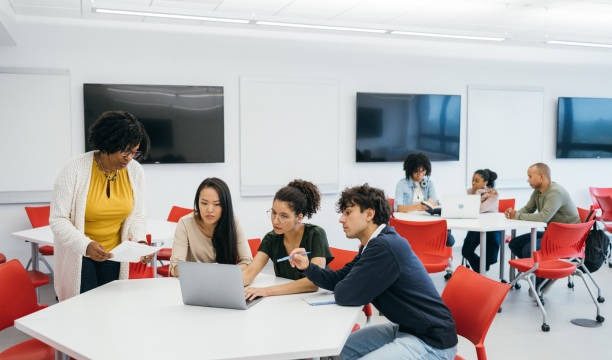
Student clubs often serve as vibrant microcosms of college life, bringing together individuals from various backgrounds and interests.
While the primary goal of these organizations may range from fostering hobbies to advocating for social causes, one of the most significant benefits they offer is the development of communication skills.
Engaging in a student club can transform shy newcomers into confident speakers and collaborative team members.
When students join a club, they step into a realm where dialogue is essential. Whether it’s brainstorming ideas for a project, planning events, or simply sharing personal experiences, communication becomes the lifeblood of the group’s activities. This environment encourages members to express their thoughts and feelings openly, fostering an atmosphere of trust and camaraderie. Over time, these interactions help students refine their ability to articulate ideas clearly and listen actively.
A gentle shift in perspective can reveal how these shared experiences contribute to personal growth. For many, speaking in front of a group or participating in discussions can feel daunting. However, student clubs create a supportive space where members can practice and hone these skills without the fear of judgment. Regular meetings and collaborative projects provide frequent opportunities for students to step out of their comfort zones. Each interaction becomes a building block, gradually enhancing their confidence and ability to communicate effectively.
Additionally, the diversity present in student clubs can enrich the communication experience. Members often come from different cultural backgrounds, each bringing unique perspectives to the table. This variety encourages students to adapt their communication styles to resonate with others. Learning to navigate these differences can be a valuable skill, particularly in our increasingly globalized world. As students engage with peers who think and communicate differently, they become more adept at understanding various viewpoints, which enhances their overall communicative competence.
The art of persuasion also finds its place in student clubs. Whether advocating for a cause, pitching a project idea, or rallying support for an event, students often find themselves needing to persuade others. This practice not only helps in developing eloquence but also instills a sense of responsibility. Understanding how to present arguments effectively and respectfully is crucial, and student clubs provide a low-pressure environment to cultivate this skill. Over time, members learn how to tailor their messages to their audience, making their communication more impactful.
Another beautiful aspect of student clubs is the opportunity for collaborative problem-solving. When faced with challenges, members must communicate openly to brainstorm solutions. This process requires active listening, patience, and the ability to articulate thoughts clearly. These experiences teach students how to navigate group dynamics, appreciate different approaches to problem-solving, and work cohesively toward a common goal. Such skills are invaluable not only in academic settings but also in professional environments.
As students take on leadership roles within clubs, they discover the nuances of guiding conversations and facilitating discussions. Leadership often involves more than just making decisions; it requires the ability to inspire and motivate others. This skill can be cultivated through organizing events, leading meetings, or mentoring newer members. By practicing these leadership skills in a student club, individuals learn how to communicate their vision, rally support, and encourage participation, all while remaining approachable and relatable.
The emotional aspect of communication is equally important. Student clubs often become safe havens where members can share their challenges and triumphs. Engaging in heartfelt conversations fosters empathy and emotional intelligence, which are essential components of effective communication. When students learn to communicate not just with words but with genuine understanding, they build deeper connections that extend beyond the confines of the club. These relationships create a network of support that can last well beyond college years.
Another layer to consider is the role of technology in modern communication. Many student clubs embrace social media and other digital platforms to promote their activities and engage with members. Navigating these platforms effectively requires a different set of communication skills, such as crafting compelling messages or creating engaging content. As students learn to express themselves in the digital landscape, they develop a versatility that is increasingly important in today’s interconnected world.
Participating in student clubs also opens doors to networking opportunities. The connections made through these organizations can lead to internships, job opportunities, and collaborations in the future. Building a professional network is often about effective communication, and the skills honed in student clubs can serve as a strong foundation for these interactions. Knowing how to engage with others, introduce oneself confidently, and follow up appropriately can make a significant difference when it comes to career advancement.
In looking at the broader picture, student clubs are more than just extracurricular activities; they are invaluable arenas for personal and professional development. The communication skills developed through club participation can enhance academic performance, improve social interactions, and increase employability after graduation. As students learn to express themselves with clarity and confidence, they are preparing for a future where effective communication is key to success.
Ultimately, the journey through student clubs is one of growth—a gradual refining of skills that will serve individuals throughout their lives. Each meeting, each project, and each conversation contributes to a tapestry of experiences that shape who they are and how they interact with the world. In this way, student clubs not only build communication skills but also foster a sense of belonging and community, creating lasting memories and friendships that enrich the college experience.
As students embark on their club journeys, they may find that the skills they acquire extend far beyond the walls of their organizations. The ability to communicate effectively is a life skill that will serve them well, no matter where their paths may lead. Embracing the opportunities that student clubs provide can be a transformative step toward becoming confident communicators and engaged members of society.