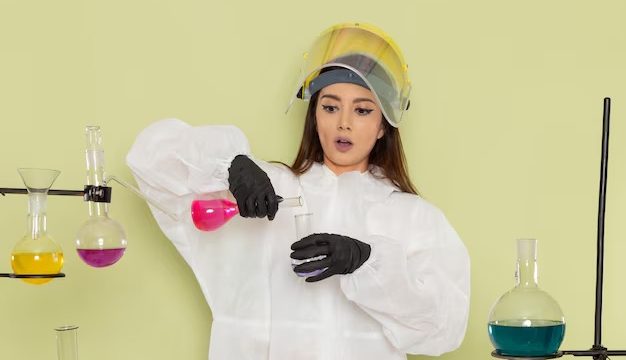
Chemistry in Modern Medicine
In the world of modern medicine, the intricate dance of chemistry plays a vital role in shaping our health and well-being.
From the moment we wake up, the biochemical processes in our bodies are at work, ensuring that we function optimally.
With each heartbeat, breath, and thought, chemistry is quietly influencing our lives. Understanding this connection can provide a sense of appreciation for the remarkable complexity of our health and the treatments available to us.
The relationship between chemistry and medicine is a story that unfolds over centuries. Ancient healers relied on natural substances, often derived from plants and minerals, to treat ailments. Today, we stand on the shoulders of those early practitioners, equipped with advanced knowledge and technology that allows us to delve deeper into the molecular world. This journey from ancient remedies to contemporary pharmaceuticals illustrates how far we have come in our quest to understand the human body and its needs.
One of the most significant advancements in modern medicine is the development of pharmaceuticals. These medications are designed to interact with specific biological targets in the body, often at the molecular level. This targeted approach is made possible by our understanding of chemistry. For instance, the creation of antibiotics, such as penicillin, revolutionized the treatment of bacterial infections. By identifying the chemical structure of these compounds, scientists were able to develop drugs that could effectively combat pathogens, saving countless lives in the process.
As we explore the world of chemistry in medicine, it’s important to recognize the role of biochemistry. This branch of science focuses on the chemical processes that occur within living organisms. It helps us understand how our bodies function at a cellular level, providing insights into everything from metabolism to genetic expression. With this knowledge, researchers can develop innovative therapies that address various health issues, from chronic diseases to genetic disorders.
A small shift toward balance occurs when we consider the importance of personalized medicine. This emerging field aims to tailor treatments to individual patients based on their unique genetic makeup and lifestyle. By understanding the chemical interactions within a person’s body, healthcare providers can select medications and therapies that are more effective and have fewer side effects. This personalized approach not only enhances treatment outcomes but also fosters a deeper connection between patients and their healthcare journey.
The impact of chemistry extends beyond pharmaceuticals. It also plays a crucial role in diagnostics. The development of advanced imaging techniques, such as MRI and PET scans, relies heavily on chemical principles. These technologies allow healthcare professionals to visualize the inner workings of the body, enabling early detection of diseases and more accurate diagnoses. The chemistry behind these imaging agents enhances our understanding of health and disease, paving the way for timely interventions.
Moreover, chemistry is at the heart of vaccine development. Vaccines work by introducing a harmless component of a virus or bacterium into the body, stimulating an immune response. The intricate chemistry involved in creating these vaccines ensures that they are both safe and effective. In recent years, the rapid development of mRNA vaccines for diseases like COVID-19 has highlighted the power of chemistry in addressing global health challenges. This innovative approach not only showcases the versatility of chemical science but also emphasizes the importance of research and collaboration in the medical field.
As we delve deeper into the world of chemistry, we cannot overlook the significance of natural compounds. Many modern medications are derived from natural sources, demonstrating the enduring wisdom of traditional healing practices. For example, the anti-inflammatory properties of willow bark led to the synthesis of aspirin, one of the most widely used medications today. This connection between nature and chemistry serves as a reminder of the delicate balance that exists within our ecosystems and the potential for discovery in our natural surroundings.
In addition to pharmaceuticals and diagnostics, chemistry also plays a role in the development of medical devices. From the materials used in implants to the coatings on surgical instruments, the chemistry of materials science is essential for ensuring safety and efficacy. Innovations in this area have transformed surgical procedures and improved patient outcomes, highlighting the importance of interdisciplinary collaboration in modern medicine.
As we embrace the future, the integration of artificial intelligence and machine learning into the field of chemistry holds great promise. These technologies can analyze vast amounts of data, identifying patterns and predicting outcomes that were previously unimaginable. This synergy between chemistry and technology may lead to breakthroughs in drug discovery and personalized medicine, further enhancing our ability to address complex health challenges.
In reflecting on the role of chemistry in modern medicine, we find a narrative that is both inspiring and hopeful. It is a story of progress, resilience, and the relentless pursuit of knowledge. As we navigate our health journeys, understanding the chemistry behind our treatments can foster a sense of empowerment and connection to the science that underpins our well-being.
As we continue to explore the wonders of chemistry, let us remain curious and open to the possibilities that lie ahead. The fusion of chemistry and medicine not only enhances our understanding of health but also invites us to appreciate the intricate web of life that surrounds us. In this journey, we are reminded that every small advancement contributes to the broader tapestry of human health and wellness, weaving together the threads of science, nature, and compassion.