Supporting Emotional Growth Through Activities
In the fast-paced world we live in today, nurturing our emotional well-being can sometimes feel like an afterthought.
However, emotional growth is a vital aspect of living a fulfilling life.
It shapes how we respond to challenges, connect with others, and ultimately, how we perceive ourselves. One of the most effective ways to foster this growth is through engaging in various activities that promote self-awareness, resilience, and connection.
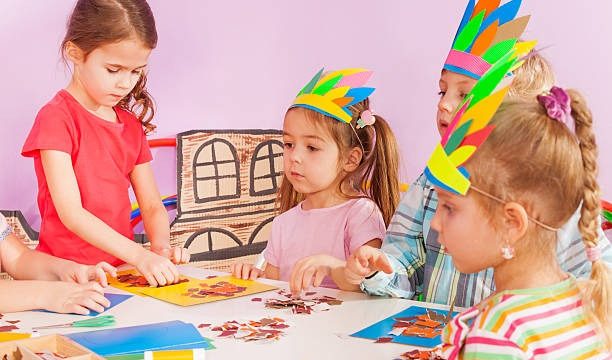
Finding joy in creative expression
One of the most powerful avenues for emotional growth is through creativity. Engaging in artistic activities—whether it be painting, writing, or playing a musical instrument—can serve as an emotional outlet. These forms of expression allow us to communicate feelings that might be difficult to articulate in words. When we create, we tap into our inner selves, exploring thoughts and emotions in a safe space.
Imagine sitting down with a blank canvas or a journal. Each stroke of the brush or line of text becomes a reflection of your current state of mind. This process can be incredibly liberating. It encourages us to confront our feelings, whether they are joyful, sad, or somewhere in between. As we immerse ourselves in the creative process, we often find clarity and a deeper understanding of our emotions.
The beauty of movement
Another wonderful way to support emotional growth is through physical activities. Whether it’s yoga, dancing, or simply going for a walk in nature, movement has a profound impact on our mental state. Physical activity releases endorphins, which are natural mood lifters. Moreover, engaging in movement helps us connect our bodies and minds, fostering a sense of balance.
Consider the simple act of walking. As you step outside and breathe in the fresh air, you may notice how your worries seem to dissipate with each stride. Nature has a way of grounding us, reminding us of the beauty that exists outside our busy lives. In these moments, we can reflect on our thoughts and feelings, allowing for a gentle processing of emotions that may have felt overwhelming indoors.
Cultivating connections through community
Human beings are inherently social creatures, and nurturing our relationships plays a crucial role in emotional growth. Engaging in community activities, whether they are volunteer opportunities, book clubs, or group classes, allows us to connect with others who share similar interests. These interactions provide a sense of belonging and support, which can be incredibly healing.
When we share experiences with others, we not only learn from them but also gain new perspectives. Listening to stories and understanding different viewpoints can help us to empathize with others’ feelings, fostering emotional intelligence. This, in turn, encourages us to express our own emotions more freely, creating a cycle of understanding and support.
The power of mindfulness and reflection
In our quest for emotional growth, incorporating mindfulness practices can be incredibly beneficial. Mindfulness encourages us to be present in the moment, observing our thoughts and feelings without judgment. This practice can take many forms—meditation, deep breathing exercises, or simply sitting quietly and noticing our surroundings.
When we engage in mindfulness, we create space for reflection. It allows us to process our emotions rather than react impulsively. For instance, after a challenging day, taking a few moments to breathe deeply and reflect on the events can help us gain clarity. We may realize that our frustration stems from unmet expectations or that we need to communicate our feelings more openly with others.
Creating a safe space for vulnerability
Supporting emotional growth also means creating an environment where vulnerability is welcomed. Engaging in activities that foster open dialogue, such as group discussions or support circles, can help us feel safe in expressing our thoughts and feelings. Sharing our experiences with others who understand can be incredibly validating.
In these safe spaces, we learn that we are not alone in our struggles. As we share our stories, we often find common threads that connect us to others. This sense of shared experience can be comforting, reminding us that emotional growth is a journey we all navigate in our own ways.
Nurturing self-care practices
As we explore activities that support emotional growth, we must not overlook the importance of self-care. Engaging in activities that bring us joy—taking a long bath, reading a good book, or enjoying a favorite hobby—can replenish our emotional reserves. Self-care is about honoring our needs and recognizing that it’s okay to take a step back when life feels overwhelming.
By prioritizing self-care, we create a foundation for emotional resilience. When we take care of ourselves, we are better equipped to handle life’s challenges. This nurturing practice allows us to approach our emotions with kindness and understanding, promoting a healthier emotional landscape.
Embracing the journey
Supporting emotional growth through activities is not a one-size-fits-all approach. Each person’s journey is unique, and it’s important to find what resonates with you. The key is to remain open to new experiences and to allow yourself the grace to explore your feelings as they arise.
As we engage in various activities—be it creative expression, physical movement, community connections, mindfulness practices, or self-care—we cultivate a deeper understanding of ourselves. This journey is ongoing, and there is beauty in the process of growth. Embracing our emotions, nurturing connections, and allowing ourselves to explore new avenues of expression can lead to a richer, more fulfilling life.
In conclusion, supporting emotional growth through activities is a gentle reminder that we are not alone in our experiences. By engaging in creative, physical, and communal activities, we can foster a deeper connection with ourselves and others. As we navigate the complexities of our emotions, let us remember to be kind to ourselves and to embrace the journey of growth with open hearts.