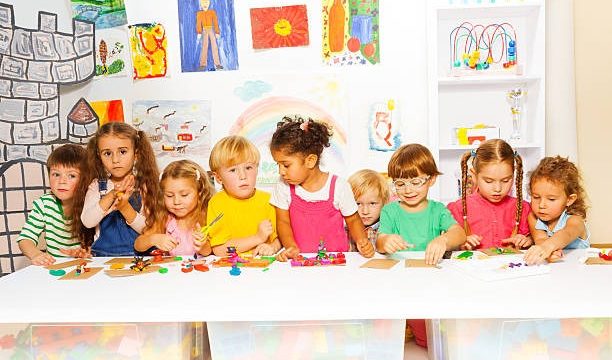
In the heart of every classroom, a nurturing environment thrives, where students not only learn academic subjects but also discover their own capabilities and potential.
The role of a teacher extends far beyond mere instruction; it encapsulates a holistic approach to fostering growth and resilience in young minds.
To create this supportive atmosphere, certain competencies are paramount. These essential skills empower educators to connect with their students, cultivate trust, and inspire a love for learning.
A gentle approach to connection
Connecting with students on a personal level is one of the most impactful competencies a teacher can possess. This connection fosters a sense of belonging, which is crucial for students feeling safe and supported. When teachers take the time to understand their students’ backgrounds, interests, and challenges, they create a bridge of trust that encourages open communication.
By actively listening and engaging in meaningful conversations, educators can demonstrate that they value each student as an individual. This connection is not just about academic performance; it’s about recognizing the unique stories each student brings to the classroom. When students feel seen and heard, they are more likely to engage with the material and participate in class discussions.
Creating a supportive learning environment
A supportive teaching environment is built on the foundation of empathy and understanding. Teachers who exhibit empathy can better respond to the emotional and academic needs of their students. This involves recognizing when a student is struggling, whether academically or personally, and providing the appropriate support.
Empathy goes hand-in-hand with patience. In a world that often moves too quickly, allowing time for students to express themselves and work through challenges can make all the difference. A teacher who takes the time to slow down, to provide encouragement, and to celebrate small victories fosters a nurturing space where learners feel empowered to take risks and make mistakes.
The art of effective communication
Effective communication is a cornerstone of supportive teaching. This encompasses not only how information is delivered but also how feedback is given and received. A teacher who communicates clearly and kindly can demystify complex concepts, making learning accessible to all students.
Moreover, feedback should be constructive and focused on growth. When students receive positive reinforcement and guidance on how to improve, they feel more motivated to engage with the material. A supportive teacher recognizes that every student learns differently and adjusts their communication style accordingly, ensuring that everyone has the opportunity to thrive.
Encouraging collaboration and community
A classroom is much more than a place for individual learning; it is a community. Teachers who cultivate a sense of collaboration among students help create an environment where peers support one another. Group activities and collaborative projects encourage students to work together, share ideas, and learn from one another.
This sense of community can also extend beyond the classroom. Encouraging family involvement and communication helps to create a supportive network for students. When families are engaged in their children’s learning journeys, it reinforces the importance of education and provides additional layers of support for students.
Fostering resilience and adaptability
In today’s fast-paced world, resilience is an invaluable trait. Teachers who model resilience demonstrate to students that challenges are a natural part of the learning process. By sharing their own experiences of overcoming obstacles, educators can inspire students to embrace challenges rather than shy away from them.
Adaptability is equally important. The ability to pivot in response to changing circumstances—be it a shift in curriculum, a new classroom dynamic, or unexpected challenges—requires a flexible mindset. Teachers who approach change with an open heart and a willingness to adjust their methods can better support their students through transitions, helping them to develop their own adaptability.
Nurturing a growth mindset
A growth mindset is the belief that abilities and intelligence can be developed through dedication and hard work. Teachers who foster this mindset in their students encourage them to view challenges as opportunities for growth rather than insurmountable obstacles. By celebrating effort and perseverance, educators instill a sense of resilience that will serve students well beyond the classroom.
Encouraging curiosity and creativity is also part of nurturing a growth mindset. Teachers who create space for exploration and innovation allow students to engage with learning in a way that feels personal and meaningful. This not only enhances academic performance but also ignites a lifelong love for learning.
The importance of self-care for teachers
While teachers are dedicated to nurturing their students, it is equally important for them to prioritize their own well-being. A teacher who practices self-care is better equipped to support their students effectively. This involves recognizing the signs of burnout and taking proactive steps to recharge, whether through hobbies, mindfulness practices, or spending time with loved ones.
When teachers model self-care, they send a powerful message to their students about the importance of mental health and balance. By taking care of themselves, educators can maintain their passion for teaching and continue to inspire those around them.
In harmony with the journey
The journey of teaching is one of continuous growth and discovery. Teachers who embrace these competencies not only enhance their own professional development but also create a ripple effect that positively impacts their students. By fostering connection, empathy, effective communication, collaboration, resilience, and self-care, educators can build a supportive teaching environment where every student has the opportunity to flourish.
In this harmonious space, learning becomes a shared adventure, where challenges are met with curiosity and triumphs are celebrated together. As teachers cultivate this supportive atmosphere, they not only shape the minds of their students but also contribute to a brighter, more compassionate future.