Friendship is one of the most beautiful gifts we can cultivate in our lives, and for children, the early years of learning are some of the most vital in establishing those connections.
In kindergarten, kids embark on a journey not just of academic discovery but also of social growth.
As they navigate the world around them, engaging in activities that foster friendship becomes essential. Through play, creativity, and collaboration, children learn the values of empathy, kindness, and teamwork. Here are some enriching activities that can help nurture budding friendships in a kindergarten setting.
One of the simplest yet most effective ways to foster friendship is through cooperative games. These activities encourage children to work together toward a common goal. For instance, setting up an obstacle course where teams must support each other to complete challenges can be a delightful experience. As they cheer each other on and share strategies, children learn the importance of collaboration and mutual support. The laughter and excitement that fill the air during these games create a bonding experience that lays the foundation for lasting friendships.
Creative expression also plays a vital role in building connections. Art projects that require teamwork can be particularly effective. Imagine a large mural where each child contributes their own unique splash of color. As they collaborate and share ideas, they not only develop their artistic skills but also learn to appreciate each other’s perspectives. This shared creative endeavor fosters a sense of belonging and teaches children that their contributions are valuable in the bigger picture. It’s a beautiful reminder that friendship is about celebrating differences and finding common ground.
Storytime can be transformed into a wonderful opportunity for connection. Choosing books that highlight themes of friendship, sharing, and kindness opens the door for meaningful discussions. After reading, inviting children to share their thoughts or personal experiences related to the story encourages them to express themselves. This sharing creates a safe space for children to connect on a deeper level, as they realize they are not alone in their feelings and experiences. Storytime becomes not just about listening but about building a community where every voice matters.
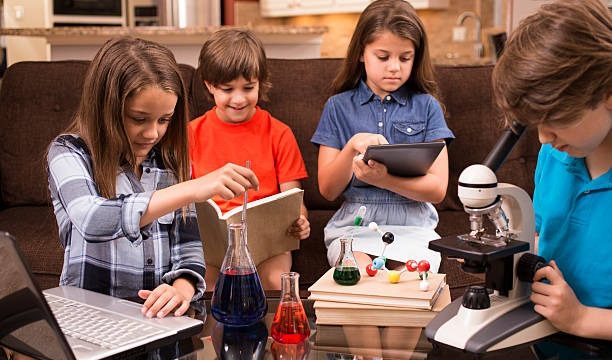
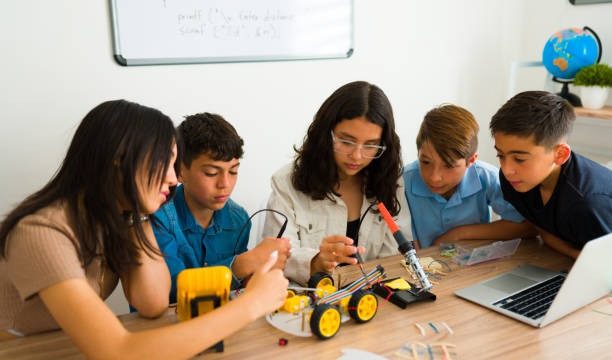
Another engaging activity is organizing group projects that revolve around a shared interest or theme. Whether it’s planting a small garden, creating a classroom pet care routine, or putting together a simple science experiment, these projects allow children to combine their strengths. They learn to communicate, negotiate, and support one another, which are all essential skills in developing friendships. As they work side by side, children discover the joy of teamwork and the satisfaction that comes from achieving something together.
Outdoor playtime offers endless opportunities for friendship-building. Nature encourages exploration and invites children to engage in imaginative play. Simple activities like scavenger hunts or nature walks can be transformed into adventures where kids partner up to find items or discuss their discoveries. These shared experiences not only enhance their observational skills but also deepen their connections. The thrill of adventure and the beauty of nature create a backdrop for laughter and camaraderie, allowing friendships to blossom organically.
Music and movement are also powerful tools for fostering relationships among young children. Incorporating group dances or sing-alongs can create a joyful atmosphere where children feel free to express themselves. Activities like creating a simple rhythm band with different instruments invite collaboration and encourage children to listen to one another. The shared experience of making music together can ignite a sense of unity, allowing children to bond through the universal language of rhythm and melody.
Incorporating role-playing activities can further enhance friendship development. Setting up scenarios that encourage children to act out various roles, such as playing store or hosting a tea party, provides them with a platform to practice social skills. Through these imaginative experiences, children learn to take turns, share, and empathize with others. They begin to understand diverse perspectives and the importance of kindness, which are essential qualities in building strong friendships.
Celebrating each child’s uniqueness is crucial in fostering an inclusive environment. Creating opportunities for children to share their cultures, languages, or family traditions can enrich the classroom experience. Whether through a “cultural day” or simple show-and-tell sessions, these activities promote understanding and respect. As children learn about each other’s backgrounds, they develop a sense of appreciation for diversity. This not only strengthens friendships but also cultivates a compassionate community where everyone feels valued and accepted.
It’s important to remember that friendships are not just formed through structured activities; they can also flourish in everyday interactions. Encouraging free play allows children to explore their interests and engage with their peers in a more relaxed setting. Providing a variety of materials and spaces for unstructured play fosters creativity and spontaneity. In these moments, kids can create their own games and establish connections organically, learning the nuances of friendship through shared laughter and exploration.
As we navigate the journey of fostering friendships in kindergarten, it’s essential to model positive behaviors ourselves. Children learn by observing the adults around them, so demonstrating kindness, empathy, and effective communication can have a profound impact. By showing them how to resolve conflicts amicably and express appreciation, we equip them with the tools they need to build and maintain friendships.
In the end, the goal of these activities is not just to create friendships but to instill values that will guide children throughout their lives. As they learn to connect with others, they also develop a sense of self-worth and confidence. Each interaction, whether through play or collaboration, adds a layer to their understanding of what it means to be a good friend. By providing a nurturing environment filled with opportunities for connection, we empower our children to build meaningful relationships that can last a lifetime.