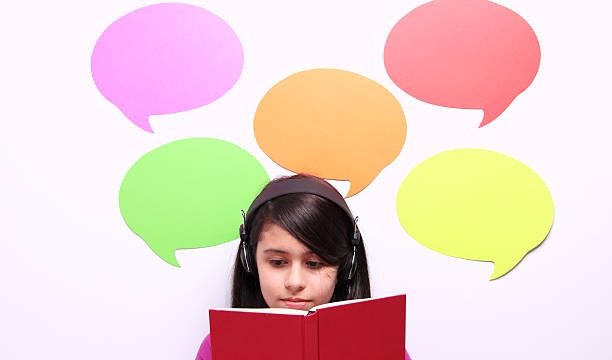
In a world where screens often take center stage, the importance of nurturing early literacy skills in children cannot be understated.
As parents and caregivers, our role in guiding our little ones toward a love for reading and writing is both essential and rewarding.
Building these foundational skills not only fosters communication but also ignites creativity and imagination, paving the way for lifelong learning.
Creating a literacy-rich environment at home is a wonderful starting point. Fill your space with books that are age-appropriate and diverse. A cozy reading nook, perhaps with soft cushions and good lighting, can invite curiosity and make reading feel like a special adventure. When children see books around them, it sends a subtle message that reading is not just an activity but a cherished part of life.
Reading aloud is one of the most effective ways to help children develop literacy skills. It’s a simple act that can transform the way a child interacts with language. Choose a variety of stories, from classics to contemporary tales, and let the rhythm of your voice bring the words to life. As you read, encourage your child to engage by asking questions about the story and discussing the illustrations. This interaction not only enhances comprehension but also builds critical thinking skills.
Storytime can also be a delightful opportunity for bonding. Children love to hear familiar tales, so don’t hesitate to read their favorites repeatedly. This repetition helps them recognize words and phrases, allowing them to anticipate what comes next. You might even consider letting them “read” to you by recalling the story from memory. This practice fosters confidence and a sense of ownership over their reading journey.
As your child grows, introducing them to writing can be just as exciting. It doesn’t have to be a structured task; rather, it can be woven into everyday life. Encourage them to write notes or letters to family members, or help them create a simple journal where they can express their thoughts and feelings. You could even start a family storybook, where everyone contributes a page or two. This collaborative effort not only enhances writing skills but also strengthens family connections.
Incorporating literacy into playtime can also be a delightful way to build skills in a relaxed environment. Consider games that involve letters or words, such as scavenger hunts for items that start with a particular letter or creating a word collage. These activities can be both fun and educational, allowing children to learn without the pressure of a formal lesson.
A small shift toward balance can also be found in integrating technology mindfully. While it’s important to limit screen time, there are many educational apps and e-books that can enhance literacy skills. Look for interactive stories that allow children to engage with the text and illustrations, making the experience immersive and enjoyable. The key is to ensure that technology complements, rather than replaces, traditional reading and writing experiences.
Encouraging a love for reading often means modeling that love ourselves. When children see their parents or caregivers engrossed in a book, it sends a powerful message about the value of reading. Share your reading experiences with them—talk about the stories you enjoy and the ideas that resonate with you. This not only fosters conversation but also shows children that reading is a lifelong pursuit, not just a childhood activity.
Another beautiful aspect of nurturing literacy is the connection it creates within the community. Local libraries often offer story hours, reading programs, and book clubs tailored for young readers. Participating in these activities can help children develop social skills while fostering a sense of belonging. It also exposes them to a broader range of stories and perspectives, enriching their understanding of the world.
As children become more confident readers, introducing them to a variety of genres can further expand their literacy skills. Encourage them to explore fiction, non-fiction, poetry, and more. Each genre offers unique structures and styles, allowing children to appreciate the nuances of language. This exploration can lead to discussions about themes, characters, and the author’s message, which deepens their engagement with the text.
It’s important to remember that each child’s literacy journey is unique. Some may take to reading and writing with enthusiasm, while others may face challenges along the way. Patience and encouragement are essential in these moments. Celebrate the small victories, whether it’s recognizing a new word or completing a story. These milestones can instill a sense of accomplishment and motivate them to continue exploring the world of literacy.
Creating a diverse library is also crucial. Include books that reflect different cultures, backgrounds, and experiences. This diversity not only enriches children’s understanding of the world but also fosters empathy and appreciation for others. Discussing the stories and the characters’ experiences can lead to meaningful conversations about differences and similarities, further enhancing their social and emotional development.
As you embark on this journey of nurturing early literacy skills, remember that the goal is not just to teach children how to read and write, but to instill a lifelong love of learning. The joy of discovering new stories, the thrill of crafting their own tales, and the satisfaction of expressing their thoughts are gifts that will stay with them for years to come.
Ultimately, it’s about creating a warm and inviting space where children feel safe to explore language and stories. With love, patience, and a sprinkle of creativity, you can help your child build a solid foundation in literacy that will serve them well throughout their lives. Embrace the journey, and enjoy the precious moments along the way.