Supporting Children With Positive Guidance
In the journey of parenthood, finding the right approach to nurture and guide children can sometimes feel overwhelming.
Each child is unique, and their needs can vary tremendously.
However, one principle stands out as a beacon of light: positive guidance. This approach not only fosters a healthy environment for children but also nurtures their emotional and social development.
Creating a nurturing atmosphere begins with understanding the essence of positive guidance. At its core, this method emphasizes encouragement, support, and a focus on growth rather than punishment or criticism. When children feel supported, they are more likely to develop self-esteem, resilience, and a sense of responsibility. It’s about fostering a mindset that encourages them to learn from their experiences while feeling safe and secure in their environment.
A small shift toward balance can make a significant difference in how children respond to challenges. Rather than reacting with frustration or disappointment when a child makes a mistake, consider taking a moment to breathe and reflect. This pause allows for a more thoughtful response, one that can guide the child toward understanding their behavior rather than feeling ashamed of it. By modeling calmness and understanding, parents can create a safe space where children feel free to express themselves and learn.
Encouragement plays a pivotal role in positive guidance. Children thrive when they receive affirmation for their efforts, even if the outcome isn’t perfect. Celebrating small victories and acknowledging their attempts fosters a growth mindset. For instance, when a child struggles with a task, instead of focusing solely on the end result, highlight the hard work they put in. This not only boosts their confidence but also teaches them that persistence is valuable.
Listening is another fundamental aspect of positive guidance. Children are often eager to express their feelings, thoughts, and experiences. By actively listening, parents can validate their children’s emotions, making them feel heard and understood. This practice strengthens the parent-child bond and encourages open communication. When children know they can share their feelings without judgment, they are more likely to come to their parents with challenges in the future.
Setting clear and consistent boundaries is essential, too. Children need to understand the expectations and limits set by their caregivers. However, it’s important to communicate these boundaries with kindness and clarity. Instead of simply saying “no,” explain the reasoning behind certain rules. This not only helps children comprehend the importance of boundaries but also encourages them to think critically about their actions. When children understand the “why” behind a rule, they are more likely to respect it.
Embracing opportunities for problem-solving can also be incredibly beneficial. Instead of providing immediate solutions, encourage children to think through challenges themselves. Ask guiding questions that prompt them to explore possible outcomes or alternatives. This practice not only boosts their critical thinking skills but also empowers them to take ownership of their decisions. It’s a gentle way to nurture independence while ensuring that they know you are there to support them if needed.
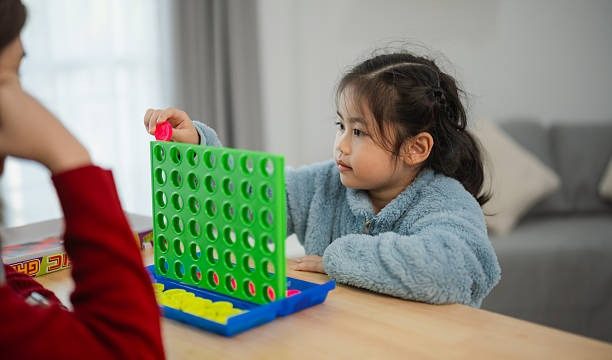
Incorporating play into learning and guidance is another wonderful way to connect with children. Play is a natural language for children, and it offers countless opportunities for teaching important life skills. Through games and imaginative play, children can explore emotions, practice social interactions, and develop problem-solving skills in a safe environment. Engaging in playtime together can also strengthen the bond between parent and child, creating cherished memories and reinforcing positive communication.
As children grow, they will inevitably face challenges and setbacks. In these moments, it’s essential to remind them that mistakes are a natural part of life. Rather than labeling an error as a failure, frame it as a valuable learning experience. Encourage children to reflect on what they could do differently next time. This perspective not only fosters resilience but also cultivates a sense of responsibility for their actions.
Moreover, modeling positive behavior is a powerful tool in guiding children. Children are keen observers and often mimic the actions of adults around them. By demonstrating kindness, patience, and understanding in your own interactions, you set a standard for how they can navigate the world. Whether it’s showing empathy towards others or managing stress in a healthy way, your actions speak volumes.
Creating a supportive community can also enhance positive guidance. Surrounding children with nurturing adults—be it family members, teachers, or friends—provides them with diverse perspectives and support systems. When children feel loved and supported by a wider circle, it reinforces their sense of security and belonging. Encourage relationships with trusted adults outside of the immediate family, as this can provide additional layers of guidance and assurance.
As the world continues to change, it’s essential to adapt and grow alongside your child. Stay attuned to their interests, challenges, and emotions. Regularly check in with them, fostering an open dialogue about their experiences. This ongoing communication helps to build trust and ensures that they feel comfortable discussing anything that may be on their minds.
In conclusion, supporting children with positive guidance is a journey filled with love, patience, and understanding. By creating a nurturing environment that encourages open communication, celebrates efforts, and models positive behavior, parents can lay a strong foundation for their children’s emotional and social development. As they navigate the complexities of growing up, your guidance will serve as a steady compass, leading them toward a future filled with confidence, resilience, and joy. Remember, every small step taken in support of your child is a step toward cultivating a brighter, more compassionate world.