Making Learning Meaningful for Children
In a world filled with distractions and endless information, finding ways to make learning meaningful for children is more important than ever.
As parents and educators, we often wonder how we can ignite a passion for knowledge in young minds.
The answer lies not in rigid structures or overwhelming curricula but in creating experiences that resonate with children on a personal level. By fostering curiosity and connection, we can transform the learning journey into an adventure filled with wonder and discovery.
One of the most effective ways to enrich a child’s learning experience is by connecting lessons to their everyday lives. Children are naturally curious, and when they see the relevance of what they are learning, it becomes more engaging. For instance, if a child is learning about plants, a visit to a local garden can spark their interest. Observing different species, feeling the texture of leaves, and even helping to plant seeds can make the concept of growth tangible. These real-world interactions create lasting memories and deepen understanding.
Encouraging exploration is another essential aspect of meaningful learning. Children thrive when they are given the freedom to explore their interests. This means allowing them to choose projects or topics that speak to their hearts. Whether it’s a fascination with dinosaurs, the solar system, or the art of cooking, when children are invested in their learning, they are more likely to absorb information and retain it. This exploration can be guided through open-ended questions and discussions that invite them to delve deeper into their chosen subjects.
Creating a supportive environment is crucial in this journey. Children need to feel safe and encouraged to express their thoughts and ideas. By fostering a culture of respect and curiosity, you empower them to ask questions without fear of judgment. This nurturing atmosphere allows children to take risks in their learning, whether that means trying out a new skill or sharing a unique perspective. When they know they can share their ideas openly, they are more likely to engage fully with the learning process.
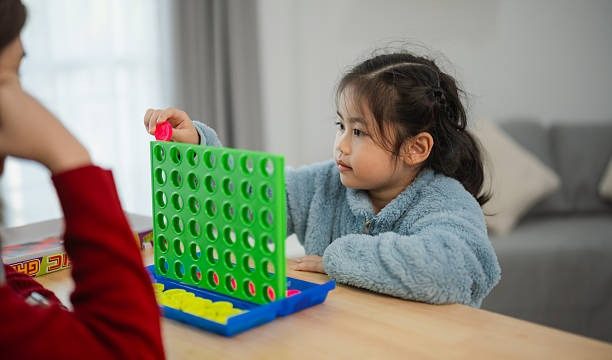
Another gentle approach to meaningful learning is integrating play into education. Play is not just a pastime; it is a powerful educational tool. Through play, children experiment, problem-solve, and develop social skills. Incorporating playful elements into learning can transform a mundane lesson into an exciting game. For example, if a child is learning about math, using building blocks to create structures can make the experience enjoyable and hands-on. This playful interaction not only reinforces concepts but also makes learning feel less like a chore and more like an adventure.
As children grow, the importance of connections to their communities and cultures becomes increasingly evident. Engaging with local traditions, history, and art can enrich their understanding of the world around them. Visiting museums, attending cultural festivals, or even talking to family members about their heritage can provide children with a sense of belonging and identity. These experiences foster empathy and broaden their perspectives, allowing them to appreciate the diversity of human experiences.
Incorporating creativity into learning is another way to make it meaningful. Artistic expression can be a powerful vehicle for understanding complex concepts. Allowing children to draw, paint, or perform can help them process and articulate their thoughts. For instance, if a child is studying a historical event, encouraging them to create a skit or a visual representation can deepen their engagement and understanding. This creative exploration not only reinforces learning but also nurtures their ability to express themselves in unique ways.
A small shift toward balance is essential in the digital age. While technology can be a valuable educational tool, it is crucial to create boundaries around screen time. Encouraging children to engage with the physical world—whether through outdoor play, reading books, or hands-on activities—can foster a sense of balance. These experiences allow them to connect with their surroundings and cultivate a love for learning that transcends screens.
Mindfulness can also play a role in making learning meaningful. Teaching children to pause, reflect, and be present can enhance their focus and retention. Simple practices like deep breathing or taking a moment to appreciate their surroundings can help children become more aware of their learning environment. When they learn to be mindful, they become more attuned to their thoughts and feelings, which can lead to a deeper understanding of the material at hand.
As we guide children on their learning journeys, it’s important to remember that the process is just as valuable as the outcome. Emphasizing effort over achievement fosters resilience and a growth mindset. When children understand that making mistakes is a natural part of learning, they are more likely to take on challenges with confidence. Celebrating their efforts, no matter how small, reinforces the idea that learning is a lifelong adventure.
In conclusion, making learning meaningful for children requires a thoughtful, nurturing approach that prioritizes connection, exploration, and creativity. By weaving together real-world experiences, play, and community engagement, we can create a rich tapestry of learning that resonates deeply with young minds. It is through these experiences that we help children develop a love for knowledge, empowering them to thrive in an ever-changing world. As we embark on this journey together, let us remember that the most profound learning often happens not in the classroom, but in the moments we share and the connections we forge.