In a world that often feels fast-paced and overwhelming, the simple joys of friendship and play can remind us of the beauty of connection and learning.
These two elements are not just for children; they are vital for people of all ages.
When we engage in playful activities with friends, we open ourselves up to a world of discovery, creativity, and emotional growth.
Friendship, at its core, is about connection. It’s that warm feeling you get when you share a laugh, a secret, or even a quiet moment with someone who understands you. These relationships are essential for our well-being, as they provide us with support, comfort, and a sense of belonging. But what many may overlook is how friendship can also be a powerful vehicle for learning.
When we engage with friends, whether through casual chats or shared activities, we often find ourselves exploring new ideas and perspectives. For instance, think about a day spent at the park with a close friend. As you play frisbee or toss a ball back and forth, you’re not just enjoying the physical activity; you’re also engaging in a dialogue about life, dreams, and even challenges. This interaction allows for a natural exchange of thoughts and feelings, fostering a deeper understanding of each other and ourselves.
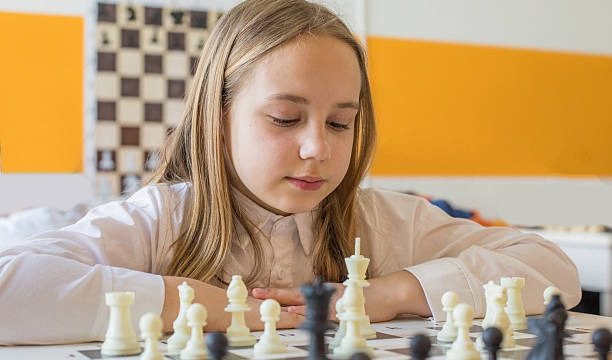
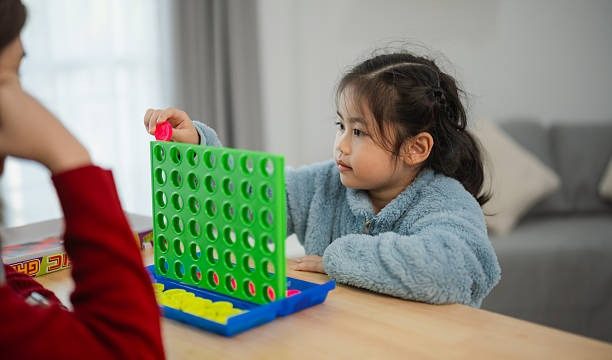
Play is a universal language that transcends age. It invites us to step outside our comfort zones and tap into our creativity. Adults may shy away from the concept of play, often associating it with childhood. However, the benefits of playful activities are just as relevant in adulthood. Whether it’s joining a local sports league, participating in a painting class, or simply playing board games with friends, engaging in playful activities stimulates our minds and encourages us to think differently.
A small shift toward balance can occur when we consciously incorporate play into our lives. It’s easy to get caught up in responsibilities, work, and daily routines, but making room for play can enhance our overall well-being. It allows us to unwind, recharge, and reconnect with our inner child. When we let go of the seriousness of life, we can embrace spontaneity and joy, which are essential for a balanced life.
The beauty of learning through friendship and play is that it often happens organically. Take, for example, a group of friends embarking on a weekend hiking trip. As they navigate the trails, they share stories, laugh at each other’s missteps, and even learn about the local flora and fauna. This shared experience not only strengthens their bond but also enriches their knowledge and appreciation for nature.
Moreover, play often encourages collaboration. In team sports or group activities, individuals learn to work together toward a common goal. This collaboration fosters communication skills and enhances problem-solving abilities. When friends come together to tackle a challenge, whether it’s a puzzle or a game, they learn to navigate differences and celebrate each other’s strengths. These skills are invaluable, not just in play but in all areas of life.
The emotional benefits of friendship and play are equally significant. Engaging in playful activities can reduce stress and anxiety, creating a sense of joy and freedom. When we laugh and have fun, our bodies release endorphins, the feel-good hormones that can uplift our spirits. This emotional boost is often magnified when shared with friends. The laughter, the playful banter, and the shared moments create lasting memories that can provide comfort during tougher times.
It’s also worth noting that friendships formed through play can lead to lifelong connections. When we engage in activities that bring us joy, we naturally attract others who share our interests. These friendships can evolve into deep, meaningful relationships that enrich our lives. As we navigate the ups and downs of life, having a support system built on shared experiences can be incredibly grounding.
As we consider the importance of friendship and play, it’s essential to remember that these elements can be integrated into our daily lives, regardless of our age. Perhaps it’s time to reach out to a friend for a casual coffee date or suggest a game night. The key is to prioritize these moments and recognize their value.
Engaging in playful activities doesn’t have to be grand or extravagant. Sometimes, it’s the simple moments that leave the most profound impact. A spontaneous dance party in the living room, a walk in the park, or even a cooking session can ignite joy and foster connection. These activities create an opportunity for laughter and learning, allowing us to bond over shared experiences.
In conclusion, learning through friendship and play is a beautiful way to enrich our lives. It encourages connection, fosters emotional well-being, and promotes personal growth. As we navigate the complexities of adulthood, let’s not forget the power of play and the importance of nurturing our friendships. By embracing these elements, we can cultivate a life filled with joy, curiosity, and meaningful connections. So, take a moment to reach out to a friend, suggest a playful activity, and watch as the magic of friendship unfolds before you. Life is far too precious to be taken too seriously, and there’s so much to learn when we allow ourselves the freedom to play.