A Journey Into Early Brain Development
Every parent knows that the early years of a child’s life are filled with wonder and curiosity.
Those moments when a baby first grasps a rattle or giggles at a playful face are milestones that create lasting memories.
But beyond the smiles and laughter lies a fascinating world of brain development, a journey that shapes the very foundation of a child’s future.
In the first few years of life, the brain undergoes incredible growth. At birth, a baby’s brain is about a quarter of the size of an adult’s, and it grows rapidly, reaching about 80% of adult size by age three. This remarkable expansion is not just about size; it’s about connections. The brain forms billions of neural connections, known as synapses, during this time. These connections are essential for cognitive, emotional, and social development.
As parents, caregivers, and educators, understanding the significance of these early years can guide us in nurturing a child’s potential. The environment in which a child develops plays a crucial role in shaping their brain. A warm, loving atmosphere filled with interaction and stimulation fosters healthy brain growth. Simple activities like reading together, singing songs, or engaging in imaginative play can have profound effects on a child’s cognitive abilities and emotional well-being.
Creating a nurturing environment doesn’t require grand gestures or elaborate setups. It’s the everyday moments that count. When a caregiver looks into a baby’s eyes and smiles, it ignites a bond that encourages social skills and emotional understanding. These interactions help children learn to communicate and express themselves, laying the groundwork for their future relationships.
A small shift toward balance can also make a significant difference in brain development. In our fast-paced world, it’s easy to become overwhelmed with the pressures of parenting. Finding time to connect with a child amidst daily responsibilities can be challenging. However, setting aside even a few moments each day for intentional interaction can create a lasting impact. This could be as simple as taking a walk together, sharing stories, or engaging in playful activities that stimulate curiosity.
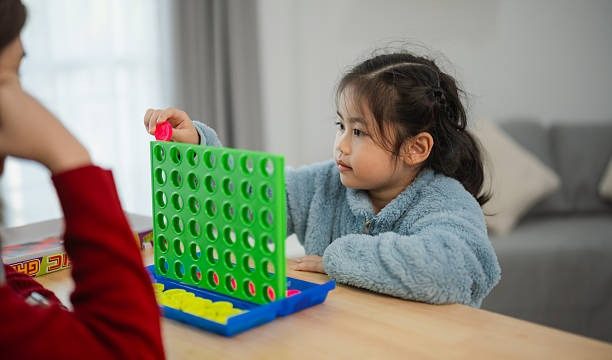
Play is often referred to as the work of childhood, and for good reason. Through play, children explore their world, test their limits, and learn essential problem-solving skills. Whether it’s building with blocks, pretending to cook in a toy kitchen, or exploring nature, play allows children to express their creativity and develop their cognitive abilities. Encouraging unstructured playtime fosters independence and resilience, important traits that will serve them well throughout life.
The significance of language in early brain development cannot be overstated. From the moment a baby is born, they are soaking in sounds, tones, and rhythms. Talking to a baby, even before they can respond, helps them develop their language skills. Engaging in conversation, reading aloud, and singing songs not only enrich vocabulary but also strengthen the emotional bond between caregiver and child. These simple acts of communication create a foundation for literacy and learning that will last a lifetime.
As children grow, their experiences continue to shape their brains. The adolescent years bring a different kind of brain development, with the prefrontal cortex—the area of the brain responsible for decision-making and impulse control—undergoing significant changes. Understanding this transition can help parents guide their children through these formative years. Open communication, patience, and support are vital during this time, as children navigate the complexities of growing up.
Nutrition also plays a fundamental role in brain development. A balanced diet rich in essential nutrients supports cognitive function and emotional health. Foods high in omega-3 fatty acids, such as fish and nuts, are known to promote brain health. Incorporating a variety of fruits, vegetables, and whole grains into a child’s diet not only nourishes their body but also fuels their growing minds.
As we delve deeper into the science of early brain development, it’s essential to acknowledge the role of community. Positive relationships with extended family, friends, and peers contribute to a child’s social and emotional growth. Engaging with others in diverse settings exposes children to different perspectives and experiences. These interactions help them develop empathy and understanding, crucial skills in today’s interconnected world.
Mindfulness and emotional awareness are also becoming increasingly recognized as vital components of early development. Teaching children to recognize and express their feelings can foster emotional intelligence. Simple practices like deep breathing or discussing emotions openly create a safe space for children to explore their feelings. This awareness not only helps them manage their emotions but also enhances their relationships with others.
As we reflect on the journey of early brain development, it becomes clear that every moment counts. The love and attention we provide as caregivers lay the groundwork for a child’s future. By fostering a nurturing environment, encouraging play, and engaging in meaningful conversations, we create a rich tapestry of experiences that shapes their brains and lives.
The journey of early brain development is a beautiful unfolding of potential and discovery. It’s a time filled with exploration, learning, and connection. Embracing this journey with an open heart and mindful presence allows us to support children as they grow into their unique selves. As they navigate the world, equipped with curiosity and resilience, we can take pride in knowing that we played a part in their remarkable journey.