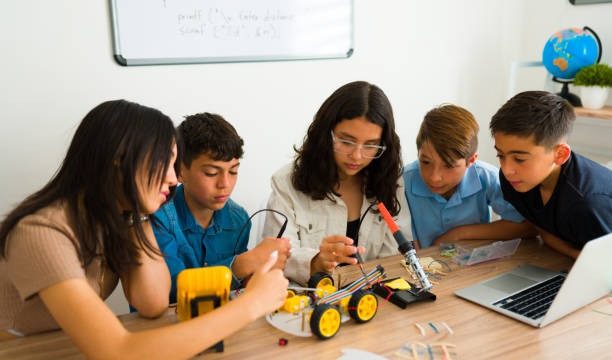
In today’s fast-paced world, encouraging children to think and explore is more important than ever.
As parents and caregivers, we often find ourselves caught up in the whirlwind of daily routines, school schedules, and extracurricular activities.
Amidst all this, it can be easy to overlook the simple yet profound act of nurturing a child’s natural curiosity.
Teaching our children to think critically and explore their surroundings can lay a solid foundation for lifelong learning.
A gentle invitation to curiosity
From the moment they are born, children display an innate curiosity about the world around them. Every sound, texture, and color sparks wonder and excitement. As they grow, we have the unique opportunity to cultivate this curiosity into a deeper understanding of their environment. Encouraging exploration can be as simple as allowing them the freedom to ask questions and express their thoughts.
When a child asks, “Why is the sky blue?” or “How do birds fly?” it’s essential to engage with their inquiries. Instead of providing immediate answers, consider turning the question back to them. Ask, “What do you think?” This not only encourages them to think critically but also fosters a sense of ownership over their learning.
Creating a rich environment for exploration
A nurturing environment plays a vital role in encouraging children to explore. This doesn’t necessarily mean filling their rooms with expensive toys or gadgets. Instead, think about creating spaces that invite curiosity. A cozy reading nook filled with books can inspire a love for stories and imaginative thinking. A small garden plot can provide hands-on experience with nature and teach responsibility.
Additionally, consider the importance of unstructured play. Children thrive when given the freedom to explore without a predetermined outcome. Whether it’s building with blocks, drawing, or even playing pretend, unstructured play encourages creativity and problem-solving. It allows children to navigate challenges and learn from their experiences.
Encouraging questions and experimentation
Every question a child asks is an opportunity for exploration. Encourage them to dive deeper into their interests. If they show an affinity for insects, consider going on a nature walk to observe and collect specimens. If they are fascinated by space, visiting a planetarium or watching documentaries together can spark new ideas and questions.
It’s also essential to embrace experimentation. Whether it’s baking a cake or conducting a simple science experiment at home, these activities can ignite a passion for discovery. Allow children to make mistakes and learn from them, reinforcing the idea that failure is often a stepping stone to success. This mindset cultivates resilience and adaptability, qualities that will serve them well throughout life.
The art of observation
Teaching children to observe the world around them can be one of the most rewarding experiences. Encourage them to take note of their surroundings—sounds, colors, movements, and even the feelings they evoke. Simple activities like birdwatching or stargazing can transform into profound moments of learning and connection to nature.
When children engage in observation, they begin to see patterns and make connections. This skill enhances their critical thinking capabilities and encourages them to ask deeper questions. It also fosters a sense of wonder and appreciation for the beauty of the world.
The power of storytelling
Storytelling has always been a powerful tool for teaching and sharing knowledge. Reading books together, sharing personal stories, or even creating tales can ignite a child’s imagination and critical thinking skills. As they listen to stories, they learn to empathize with characters, understand different perspectives, and think about the consequences of actions.
Consider incorporating storytelling into everyday life. Encourage your child to narrate their day or create fictional stories. This practice not only enhances their language skills but also empowers them to express their thoughts and feelings creatively.
Cultivating a growth mindset
A growth mindset is the belief that abilities and intelligence can be developed through dedication and hard work. Teaching children this concept can significantly influence their approach to challenges and learning. Encourage them to embrace challenges as opportunities for growth rather than obstacles to avoid.
Praise their efforts rather than just the results. When they tackle a difficult math problem or learn a new skill, acknowledge the hard work they put in. This reinforces the idea that perseverance and effort are valuable traits that lead to success.
Connecting with nature
Nature is a fantastic teacher, offering countless opportunities for exploration and learning. Regular outdoor activities can foster a sense of adventure and connection to the environment. Whether it’s hiking, biking, or simply playing in the park, spending time outdoors encourages children to explore their surroundings.
Nature also serves as a backdrop for valuable lessons about ecosystems, weather, and the importance of conservation. Engaging with nature can help children develop a sense of responsibility toward the environment, fostering a generation that values and protects our planet.
Fostering social connections
Encouraging children to think and explore isn’t solely an individual endeavor. Social interactions play a crucial role in their development. Organizing playdates or group activities can provide opportunities for collaborative learning. When children share ideas and experiences with peers, they learn to respect different viewpoints and work as a team.
These interactions can also lead to new questions and explorations. A simple game of “let’s pretend” can evolve into an imaginative adventure, while group projects can inspire creativity and critical thinking. The connections they build with others can enrich their learning experiences in ways that solitary exploration may not.
Inspiring lifelong learners
Ultimately, teaching children to think and explore is about nurturing a lifelong love of learning. By fostering curiosity, encouraging questions, and providing opportunities for exploration, we equip them with the tools they need to navigate an ever-changing world. As they grow, these skills will help them adapt, innovate, and contribute positively to society.
As caregivers, let’s embrace the journey of exploration alongside our children. Together, we can create a world filled with wonder, curiosity, and endless possibilities. By encouraging them to think critically and explore their interests, we not only enrich their lives but also inspire the next generation of thinkers, dreamers, and doers.