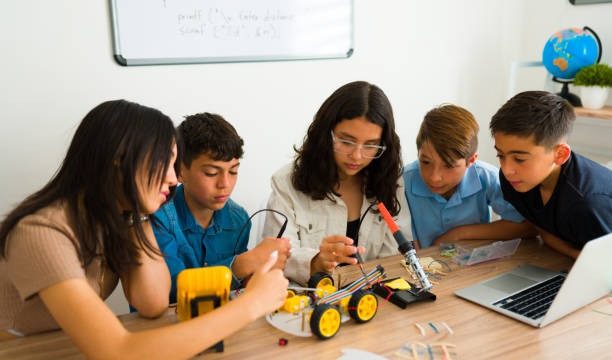
In our fast-paced world, the importance of cooperation is often overlooked.
Yet, nurturing this value in our children can profoundly shape their relationships and future endeavors.
Cooperation is more than just working together; it’s about understanding, empathy, and the ability to share goals and responsibilities. By teaching kids the significance of cooperation, we prepare them to navigate a world that thrives on collaboration and mutual support.
A gentle introduction to cooperation can begin at home. Family activities provide a natural setting for children to experience the joys of working together. Whether it’s cooking a meal, playing a game, or completing a puzzle, these shared experiences create opportunities for kids to learn how to communicate and compromise. As they engage in these activities, encourage them to share their thoughts and ideas. This simple act of dialogue fosters a sense of belonging and reinforces the idea that everyone’s contribution is valuable.
Incorporating cooperative play into your child’s routine can also be beneficial. Playdates or group activities—like team sports or art projects—allow children to interact with peers in a collaborative environment. Through these interactions, they learn to listen to others, respect different viewpoints, and develop problem-solving skills. These moments are not just fun; they are essential life lessons in patience and understanding.
A small shift toward balance can occur when we emphasize the importance of teamwork in everyday life. For instance, discussing how people in various professions work together to achieve common goals can help children see the broader implications of cooperation. Whether it’s a school project or a community event, explaining how individuals contribute their unique strengths can inspire kids to appreciate the diversity of talents and perspectives.
Encouraging empathy is another crucial aspect of teaching cooperation. When children learn to understand and share the feelings of others, they become more attuned to the needs of their peers. Simple activities, such as role-playing or storytelling, can help them step into someone else’s shoes. By exploring different scenarios, kids can practice responding to various emotions and situations, fostering a sense of connection and teamwork.
As parents or caregivers, it’s essential to model cooperative behavior. Children learn a great deal by observing the adults in their lives. When they see you working collaboratively with others, whether it’s resolving conflicts or sharing responsibilities, they are likely to emulate that behavior. Sharing your experiences and discussing the importance of collaboration can reinforce the idea that cooperation is a valuable life skill.
In the classroom, teachers play a vital role in promoting cooperation among students. Group activities and collaborative projects encourage kids to work together on tasks, fostering an environment of teamwork. Educators can create a culture of cooperation by celebrating group achievements, which helps children recognize the power of collective effort. When kids see the results of their teamwork, they become more motivated to engage in cooperative behavior in the future.
Creating opportunities for community involvement also helps children appreciate the value of cooperation. Volunteering for local organizations or participating in community events allows kids to see firsthand how working together can lead to positive change. These experiences not only teach them about the importance of helping others but also reinforce the idea that everyone has something valuable to contribute.
As children grow, it’s crucial to guide them through conflicts that may arise during cooperative activities. Disagreements are a natural part of working with others, and teaching kids how to navigate these situations is essential. Encourage open communication and problem-solving strategies, allowing them to express their feelings and find constructive solutions together. By doing so, you equip them with the tools they need to manage conflicts in healthy ways throughout their lives.
Fostering a cooperative spirit can also be integrated into family values. Discussing the significance of kindness, respect, and teamwork during family gatherings or mealtimes can create a strong foundation for cooperative behavior. Sharing stories about times when collaboration led to success can inspire kids to see the potential in working together. As they internalize these values, they are more likely to carry them into their relationships with friends and peers.
As children develop their understanding of cooperation, it’s important to celebrate their successes. Acknowledging their efforts—whether big or small—can boost their confidence and reinforce the idea that collaboration leads to positive outcomes. By highlighting these moments, you help them recognize the joy of working together and the impact it can have on their lives and the lives of others.
Encouraging cooperation is a journey that unfolds over time. It’s about creating an environment where children feel safe to express themselves, share ideas, and work alongside others. By nurturing this value, we empower our kids to build meaningful relationships and contribute positively to their communities.
In a world that often emphasizes individual achievement, instilling the value of cooperation in our children is a gift that will serve them well throughout their lives. As they learn to appreciate the strengths of others and the beauty of collaboration, they will grow into compassionate, understanding individuals who can navigate life’s challenges with grace and teamwork. In the end, it’s not just about getting the job done; it’s about building connections and creating a supportive network that enriches us all.