In a world that often prioritizes standardized testing and rigid curricula, the integration of diverse art forms into education offers a refreshing perspective on learning.
Art, in its myriad expressions, has the power to engage students in ways that traditional subjects sometimes cannot.
From painting and sculpture to dance and music, these creative outlets provide not just a means of expression but also a pathway to deeper understanding and connection.
Art as a tool for self-expression
At its core, art serves as a vital outlet for self-expression. It allows students to communicate their thoughts, feelings, and experiences in ways that words may sometimes fail to capture. When students engage in artistic activities, they explore their identities, build confidence, and cultivate a sense of belonging. Whether it’s through painting a canvas, composing a piece of music, or writing poetry, these experiences foster emotional intelligence and resilience.
Encouraging creativity in the classroom can significantly enhance a student’s engagement with their education. Instead of merely absorbing information, students become active participants in their learning journey. The process of creating art encourages critical thinking and problem-solving skills, as students navigate their ideas and translate them into tangible forms. This hands-on approach to learning can be particularly beneficial for those who may struggle with traditional academic methods.
A small shift toward balance
Incorporating art into education can also promote a more balanced approach to learning. While academics are essential, the stress of standardized testing and performance can often leave students feeling overwhelmed. Introducing art forms can provide a much-needed respite, allowing learners to tap into their imagination and curiosity. This balance enriches their educational experience, nurturing not only their intellect but also their emotional and social well-being.
Moreover, art can serve as a bridge between different subjects. For example, a project that involves creating a visual representation of a historical event can deepen a student’s understanding of that period. Similarly, exploring the mathematics behind music composition can enhance both artistic and analytical skills. When students see the interconnectedness of various disciplines through art, they develop a more holistic view of their education.
Fostering collaboration and community
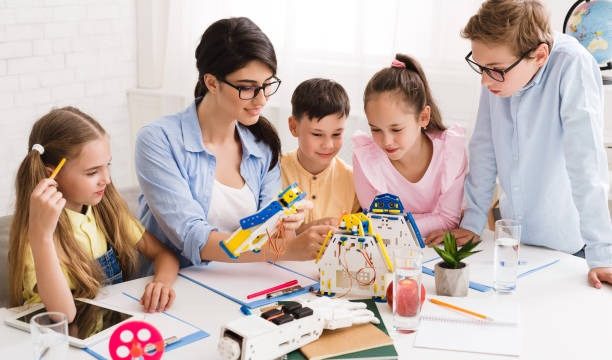
Engaging in art forms also cultivates a sense of community and collaboration among students. Group projects, whether in theater, visual arts, or music, encourage teamwork and communication. Students learn to value each other’s perspectives and contributions, fostering respect and empathy. These interactions are invaluable, as they prepare students for future collaborations in both their personal and professional lives.
Furthermore, art can connect students with their cultural heritage and the diverse backgrounds of their peers. Exploring different artistic traditions can broaden students’ horizons, helping them appreciate the richness of global cultures. This exposure fosters inclusivity and understanding, as students learn to celebrate differences and recognize the beauty in diversity. Creating a classroom environment that honors various artistic expressions can significantly enhance the educational experience for all.
The role of educators
Educators play a crucial role in integrating art forms into the curriculum. By embracing creativity and encouraging exploration, teachers can create a safe space where students feel free to experiment and express themselves. Professional development opportunities that focus on the arts can equip educators with the tools they need to inspire their students.
It’s important for teachers to be open to the idea that learning can take many forms. Encouraging artistic exploration may require a shift in mindset from traditional teaching methods. However, the rewards of fostering creativity in the classroom can be profound. When educators prioritize art, they not only enhance academic performance but also contribute to the emotional and social development of their students.
A pathway to lifelong learning
The benefits of integrating diverse art forms into education extend far beyond the classroom. Engaging with art nurtures a love for learning that can last a lifetime. Students who are encouraged to explore their creative potential are more likely to pursue interests in the arts as adults, fostering a culture of creativity and innovation in society.
Furthermore, the skills developed through artistic endeavors—such as critical thinking, collaboration, and effective communication—are applicable in various aspects of life, from personal relationships to professional environments. In a world that increasingly values creativity and adaptability, fostering these skills through art education is more important than ever.
The journey ahead
Exploring diverse art forms in education is not just an initiative; it’s a commitment to nurturing well-rounded individuals. As we move forward, it’s essential to advocate for policies that support arts education and encourage schools to prioritize creative expression alongside traditional academics.
Parents, educators, and community members can all play a part in this journey. By attending art events, supporting local artists, and advocating for the inclusion of arts in school curricula, we can collectively contribute to a richer educational landscape.
In conclusion, embracing diverse art forms within education opens doors to creativity, collaboration, and community. It enriches the learning experience, allowing students to express themselves fully while developing essential life skills. By fostering an environment where art is valued, we not only enhance educational outcomes but also contribute to a more vibrant and empathetic society. As we continue to explore these possibilities, let us remember the profound impact that art can have in shaping the minds and hearts of future generations.