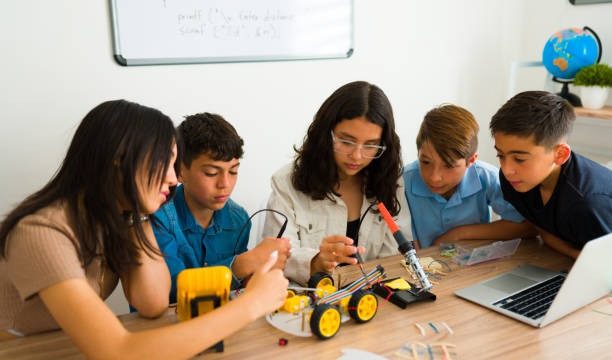
In a world filled with instant gratification, it can be challenging for children to appreciate the value of their learning journey.
As parents and educators, we have the incredible opportunity to nurture a love for learning that extends beyond textbooks and test scores.
Encouraging children to value their educational experiences can foster resilience, curiosity, and a lifelong passion for knowledge. Let’s explore gentle ways to inspire children to embrace their learning paths.
A gentle approach to learning
When we think about education, it is often easy to focus on grades, achievements, and milestones. However, the essence of learning lies in the journey itself. By shifting the focus from outcomes to experiences, we can help children appreciate the process of learning. This means celebrating the small victories, the moments of curiosity, and the questions that arise along the way. When children understand that learning is not merely about getting the right answers but about exploration and growth, they begin to value their experiences more deeply.
Creating a safe space for inquiry
One of the most effective ways to encourage children to value their learning journey is to create an environment where they feel safe to ask questions and explore ideas. Children are naturally curious, and when they feel secure in expressing their thoughts, they become more engaged in their learning. As caregivers, we can foster this environment by actively listening to their questions and encouraging them to seek answers. Whether it’s through discussions at the dinner table or a quiet moment during a walk, showing genuine interest in what they are curious about can empower them to take ownership of their learning.
Nurturing a growth mindset
A growth mindset is a belief that abilities and intelligence can be developed through dedication and hard work. By instilling this mindset in children, we can help them understand that challenges are a normal part of the learning process. Instead of viewing mistakes as failures, they can learn to see them as valuable lessons. Encouraging phrases like, “It’s okay to make mistakes; that’s how we learn,” can help children reframe their perspective. When they understand that perseverance is key to growth, they are more likely to value the journey of learning itself.
Encouraging exploration and creativity
Learning doesn’t have to be confined to traditional settings. Encouraging children to explore their interests outside of school can foster a love for learning that feels organic and joyful. Whether it’s through art, music, nature, or science experiments, allowing children to engage with subjects that excite them can ignite a passion for discovery. Providing opportunities for creative expression not only enhances their learning experience but also helps them develop critical thinking and problem-solving skills. When children are given the freedom to explore, they often develop a deeper appreciation for their learning journey.
Modeling lifelong learning
Children learn a great deal by observing the adults in their lives. When they see parents, teachers, and caregivers embracing their own learning journeys, they are more likely to follow suit. Sharing your experiences, whether it’s a new hobby you’ve taken up or a book you’re reading, can inspire children to value learning as a lifelong pursuit. Discussing the challenges and triumphs you encounter along the way can help them see that learning is an ongoing process, filled with both ups and downs. This modeling can be a powerful tool in shaping their attitudes toward education.
Celebrating the process, not just the outcome
In a society that often emphasizes achievements, it’s essential to remind children that the journey is just as important as the destination. Celebrating the effort they put into their work, regardless of the outcome, can help them internalize the value of learning. Acknowledging their hard work and dedication reinforces the idea that learning is a process that deserves recognition. This could be as simple as praising their effort in completing a project or recognizing their determination in tackling a challenging subject. When children feel valued for their efforts, they are more likely to appreciate the learning journey.
Fostering a sense of community
Learning can be a more enriching experience when shared with others. Encouraging children to collaborate with peers, participate in group projects, or engage in community activities can help them see the value of collective learning. When children work together, they not only gain new perspectives but also learn from each other’s experiences. This sense of community can enhance their educational journey and create lasting friendships. By fostering connections with others, children can appreciate that learning is not just an individual endeavor but a shared experience.
Reflecting on experiences
Taking the time to reflect on their learning experiences can help children recognize the growth they have achieved over time. Simple practices like keeping a journal or engaging in discussions about what they’ve learned can encourage this reflection. Asking open-ended questions such as, “What was your favorite part of today’s lesson?” or “What did you find challenging?” can prompt meaningful conversations. Reflection allows children to connect the dots between their experiences, reinforcing the idea that each moment contributes to their overall learning journey.
The beauty of curiosity
At the heart of valuing the learning journey is the beauty of curiosity. Encouraging children to ask questions and seek answers fosters a sense of wonder about the world around them. Curiosity drives exploration and innovation, allowing children to become active participants in their own learning. As caregivers, we can cultivate this curiosity by engaging in discussions, providing resources, and encouraging them to pursue their interests. When children are encouraged to be curious, they are more likely to appreciate the richness of their learning experiences.
In conclusion, encouraging children to value their learning journey is a gradual and nurturing process. By creating supportive environments, fostering a growth mindset, and celebrating the journey, we can inspire children to embrace their educational experiences. As they learn to appreciate the beauty of curiosity and the process of learning itself, we empower them to become lifelong learners. In this way, we not only enrich their lives but also contribute to a brighter future for all.