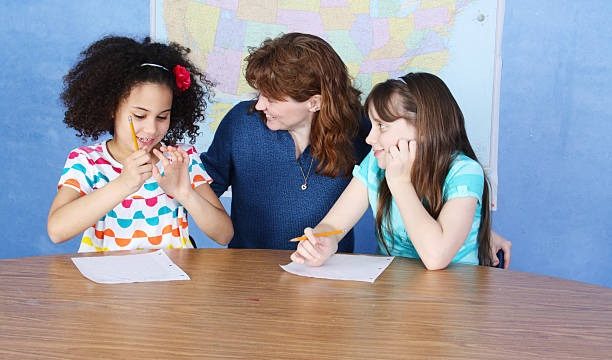
In the gentle dance of childhood, social play emerges as a vital rhythm, weaving connections and fostering growth.
As children engage with one another, they step into a world of shared experiences that not only entertain but also nurture their development in profound ways.
This exploration of social play reveals its significance, highlighting how it supports emotional, cognitive, and social growth.
At its core, social play is an instinctive behavior that begins in the earliest stages of life. Infants giggle and coo, engaging in playful interactions with caregivers that lay the foundation for trust and emotional security. As children grow, these interactions expand beyond the family unit into the wider world of peers. This transition marks a pivotal moment in their development, as they learn to navigate the intricacies of relationships, sharing, and cooperation.
As children play together, they engage in a dynamic exchange of ideas and feelings. Pretend play, a common form of social interaction, allows children to step into different roles, exploring various perspectives through imaginative scenarios. Whether they are playing house, superheroes, or a simple game of tag, children practice empathy and understanding. They learn to recognize emotions in themselves and others, developing a sense of compassion that will serve them throughout their lives.
Through social play, children also hone their communication skills. As they articulate their thoughts, negotiate roles, and resolve conflicts, they become more adept at expressing themselves. This verbal engagement not only enriches their vocabulary but also builds their confidence in social situations. The ability to communicate effectively is a cornerstone of personal and professional relationships later in life, making social play an essential precursor to future success.
Play often serves as a mirror, reflecting the dynamics of the world around us. In these moments, children learn about fairness, cooperation, and the importance of compromise. When a disagreement arises during play, they are given the opportunity to practice conflict resolution. This process is not always smooth; it often involves trial and error. However, each resolution fosters resilience and adaptability, equipping children with the tools they need to face challenges in their lives.
The physical aspect of social play cannot be overlooked. Activities such as running, climbing, and dancing not only promote physical health but also contribute to social bonding. When children engage in active play together, they develop a sense of teamwork and camaraderie. These physical interactions help them understand the value of collaboration, as they learn to work together toward a common goal, whether it’s building a fort or winning a game.
As we consider the role of social play in development, it’s essential to acknowledge the environment in which it occurs. Safe, supportive spaces encourage children to explore their boundaries and express themselves freely. When children feel secure, they are more likely to engage in play that fosters connections and nurtures their growth. Parents and caregivers play a crucial role in creating these environments, offering guidance while allowing children the freedom to explore their social world.
In our increasingly digital age, the nature of play is evolving. While technology offers new avenues for connection, it’s important to balance screen time with real-life interactions. Encouraging children to engage in face-to-face play helps them develop essential social skills that are often best learned through direct experience. Whether it’s through organized sports, community events, or simple playdates, fostering opportunities for social interaction is vital.
As children grow older, the types of social play may shift, but the underlying benefits remain. Adolescents often engage in more complex social dynamics, exploring friendships and group identities. Through these interactions, they learn about loyalty, trust, and the nuances of social hierarchies. It’s a critical time for developing self-identity, and the support of peers plays a significant role in shaping their experiences.
The importance of social play extends beyond childhood. The skills and lessons learned during these formative years have a lasting impact. Adults who engaged in meaningful social play as children tend to possess stronger interpersonal skills and a greater capacity for empathy. They are often more adept at building relationships and navigating the complexities of social interactions in their personal and professional lives.
In recognizing the value of social play, we can also appreciate its role in fostering a sense of belonging. When children engage in play with others, they create bonds that contribute to their sense of community. These connections are essential for emotional well-being, providing a support system that can help children navigate life’s challenges. Feeling connected to others instills a sense of security and reinforces the idea that they are not alone in their experiences.
As we reflect on the journey of social play, it becomes clear that it is not merely a pastime but a vital aspect of human development. The laughter shared, the lessons learned, and the friendships forged during these playful moments contribute to shaping resilient, empathetic individuals. Encouraging social play in children is an investment in their future, as it lays the groundwork for a lifetime of meaningful connections and emotional intelligence.
In the hustle and bustle of modern life, it’s important to carve out time for play. Whether it’s a spontaneous trip to the park, an organized sports team, or simply inviting friends over for an afternoon of fun, these moments of connection are invaluable. As we nurture the spirit of play in children, we also remind ourselves of its joy and importance in our own lives. After all, play is not just for children; it is a reminder of the beauty of connection and the joy of being present in the moment.