In our fast-paced world, finding ways to communicate complex ideas can often feel like a daunting task.
Whether in a business meeting, a classroom, or even during casual conversations, articulating thoughts clearly and engagingly is crucial.
One powerful tool that has emerged to bridge this communication gap is animation. Animation helps to visualize ideas, making them more accessible and relatable, and its impact can be felt across various fields, from education to marketing.
Animation serves as a unique language that transcends barriers. It captures attention in a way that static images or text sometimes cannot. When we see a concept come to life through movement, colors, and characters, it often resonates on a deeper level. This kind of visual storytelling invites viewers into an experience, allowing them to grasp ideas that might otherwise seem abstract or convoluted.
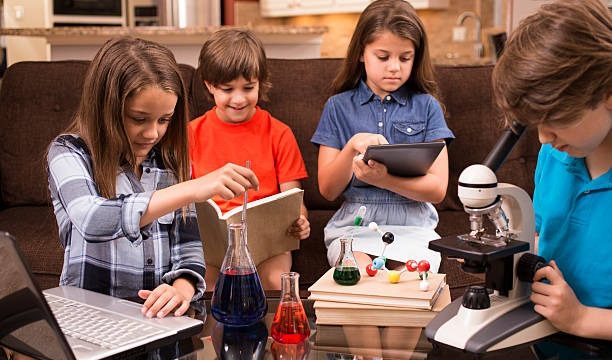
For example, consider the world of education. Teachers are constantly seeking methods to engage students with diverse learning styles. Animation offers a dynamic alternative to traditional teaching methods. It can transform dry, complex subjects into lively, immersive experiences. A historical event, once confined to textbooks, can be animated to show the emotions and actions of the people involved, making it relatable and memorable. Students can visualize processes, such as the water cycle or the intricacies of human anatomy, in a way that fosters understanding and retention. The ability to see concepts in action can ignite curiosity and inspire a desire to learn more.
In the realm of business, animation plays a vital role in marketing and communication. Companies often have intricate products or services that require clear explanations. An animated video can simplify these ideas, breaking them down into digestible pieces. By using visual metaphors, companies can convey their brand message effectively and engagingly. A product that may seem complicated can be illustrated through animation, showcasing its features and benefits in a way that feels approachable and friendly. This not only helps potential customers understand the product but also builds a connection with them, fostering trust and interest.
A small shift toward balance occurs when we consider how animation can also foster inclusivity. In a world where visual content is increasingly consumed on various platforms, animation can accommodate diverse audiences. It can be tailored to different cultures, languages, and demographics, ensuring that everyone can access and understand the message being conveyed. This adaptability is particularly important in global communication, where cultural nuances must be respected. Animation can convey ideas in a universally relatable way, making it a powerful tool for reaching a wider audience.
Moreover, animation is not limited to just educational or marketing contexts. In the realm of personal expression, artists and creators have embraced animation as a medium to share their stories and experiences. Whether through short films, web series, or social media snippets, animators can express complex emotions and themes in a visually captivating manner. This creative outlet allows for exploration and experimentation, inviting viewers to connect with the content on a personal level. As we watch characters navigate their journeys, we often find reflections of our own experiences, fostering empathy and understanding.
The therapeutic potential of animation should not be overlooked either. For individuals grappling with mental health issues or emotional challenges, creating or engaging with animated content can be a form of catharsis. Animation allows for the exploration of feelings in a safe space, where abstract concepts can be visualized and examined. This can be particularly beneficial for those who find it difficult to articulate their emotions. By transforming feelings into characters or stories, individuals can gain clarity and insight into their own experiences, paving the way for healing and growth.
As we navigate through this digital age, the role of animation continues to evolve. With advancements in technology, the possibilities for visualization are expanding. Virtual reality and augmented reality are now blending with animation, creating immersive experiences that transport users into different worlds. These innovations hold the potential to revolutionize how we visualize ideas, offering even more engaging and interactive ways to connect with content.
While the future of animation is bright, it’s essential to remember its roots in storytelling. At its core, animation is about sharing ideas, emotions, and experiences in a way that resonates with others. It encourages dialogue and invites collaboration, reminding us that communication is not just about exchanging information but about connecting with one another on a human level.
In conclusion, animation is a powerful ally in the quest to visualize ideas. Its ability to simplify complex concepts, foster inclusivity, and enhance personal expression makes it an invaluable tool in various aspects of our lives. As we continue to embrace this dynamic medium, we open up new avenues for understanding and connection. Whether in education, business, art, or personal growth, animation invites us to see the world through a different lens, enriching our experiences and deepening our relationships with the ideas that shape our lives. So, the next time you encounter a challenge in conveying your thoughts, consider the transformative power of animation—it may just be the key to unlocking a new perspective.