Encouraging Kids to Celebrate Others’ Achievements
In a world that often emphasizes competition and individual success, teaching our children the value of celebrating others’ achievements can be a refreshing and enriching experience.
It fosters empathy, builds community, and nurtures a sense of belonging.
When kids learn to appreciate the accomplishments of their peers, they not only develop stronger relationships but also cultivate a mindset that values collaboration over rivalry.
The journey to encouraging children to celebrate others begins at home. As parents and caregivers, we set the tone for how children perceive success and achievement. One of the simplest ways to instill this value is through our own behavior. When we acknowledge and celebrate the successes of friends, family, and even strangers, we send a powerful message to our children: that joy can be found in the accomplishments of others.
A gentle shift in perspective can be a profound way to start. Instead of viewing achievements as a zero-sum game—where one person’s success diminishes another’s—encourage kids to see them as opportunities for inspiration. Share stories of people who have overcome challenges to achieve their dreams, emphasizing how support from others played a role in their journey. This narrative not only highlights the importance of community but also illustrates that success is often a collective effort.
Creating a culture of recognition in your home can also be a fun and engaging way to celebrate achievements. Consider setting aside a special time each week when family members can share their accomplishments, no matter how small. This could be anything from receiving a good grade on a test to mastering a new skill. By providing a platform for everyone to share, you create an environment where celebrations are not just reserved for major milestones but are woven into the fabric of everyday life.
Encouraging kids to express gratitude and appreciation for others is another essential aspect of this journey. Teaching them to recognize and acknowledge the hard work that goes into someone else’s success fosters a sense of kindness and respect. Simple acts, like writing a thank-you note or giving a compliment, can go a long way in nurturing this mindset. When children learn to articulate their appreciation, they not only make others feel valued but also reinforce their own understanding of the importance of community.
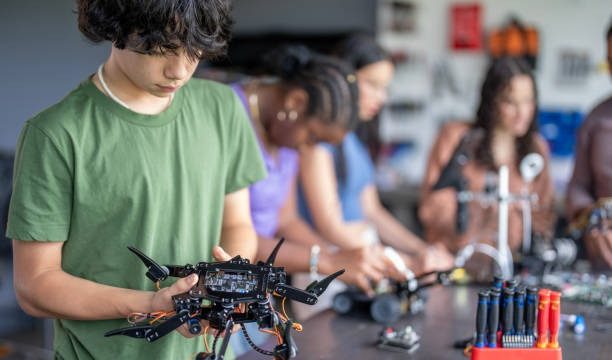
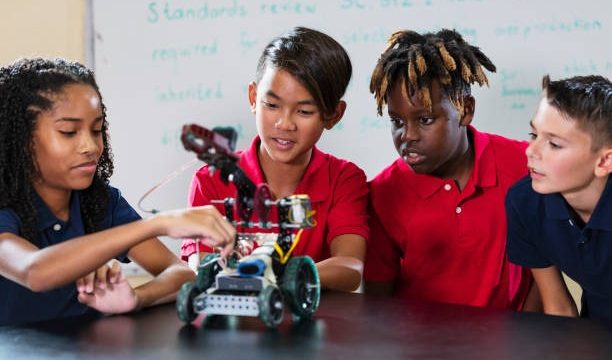
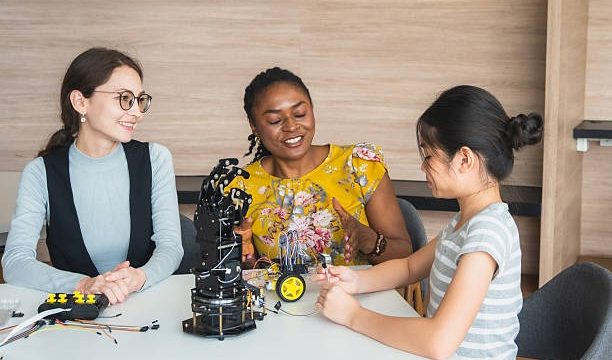
It’s also beneficial to provide opportunities for children to engage in teamwork. Whether through sports, group projects, or community service, working alongside peers can help children recognize the contributions of others. When they witness firsthand how collaboration leads to shared success, it deepens their understanding of the interconnectedness of achievements. Such experiences can be invaluable, teaching them that every individual brings unique strengths to the table, enriching the collective outcome.
Another beautiful approach is to model resilience in the face of setbacks. Life is filled with ups and downs, and teaching children to celebrate others’ successes, even when they may feel disappointed in their own circumstances, can be a transformative lesson. It encourages a mindset that focuses on growth and learning rather than comparison. Discussing the challenges faced by those who achieve success can help kids see that every story has its struggles. This perspective allows them to celebrate achievements without feeling overshadowed by their own challenges.
Encouraging children to attend events where others are being recognized can also be an eye-opening experience. Whether it’s a sports award ceremony, a school play, or a community event, being present during these celebrations allows kids to witness the joy of recognition. It’s a chance for them to understand the hard work that goes into achieving goals and the pride that comes from celebrating those efforts.
As children grow, it’s important to engage them in conversations about the significance of diversity in achievements. Each person’s journey is unique, and understanding that success can come in many forms helps children appreciate different perspectives. Encourage discussions about various role models from different backgrounds, emphasizing that achievements are not limited to conventional definitions of success. This broadens their understanding and appreciation for the diverse talents and accomplishments that exist in the world.
Creating a culture of celebration is not just about encouraging kids to cheer for others; it is also about building their emotional intelligence. When children learn to celebrate others, they become more attuned to the feelings and experiences of those around them. This emotional awareness can lead to deeper friendships and more meaningful connections. It cultivates a sense of compassion that can guide them throughout their lives.
As parents, we can also engage in self-reflection. Ask yourself how you respond to the successes of others. Do you celebrate with enthusiasm, or do feelings of envy creep in? By being aware of our own reactions, we can model a healthy approach to success and recognition for our children. Sharing our own experiences of celebrating others can open up discussions about the complexities of emotions and the importance of positivity.
In the end, encouraging kids to celebrate the achievements of others is about nurturing a sense of community and belonging. It teaches them that while individual accomplishments are important, the joy of sharing in someone else’s success is equally valuable. By fostering an environment that prioritizes kindness, gratitude, and collaboration, we help shape a generation that understands the power of collective joy.
As we guide our children on this journey, let’s remember that every small step we take toward celebrating others contributes to a larger culture of appreciation and support. In a world that can sometimes feel isolating, teaching our kids to uplift one another is a gift that will resonate throughout their lives. It’s a beautiful way to teach them that together, we can achieve so much more.