In a world where competition often overshadows collaboration, teaching kids to celebrate others’ successes is a vital lesson that can shape their character and enrich their relationships.
The ability to genuinely appreciate the achievements of others fosters kindness, empathy, and a sense of community.
It also helps children develop resilience and a positive outlook on life, which can be invaluable as they navigate their own journeys.
Understanding the importance of celebrating others begins with modeling this behavior ourselves. Children are like sponges, soaking up the attitudes and actions of the adults around them. When they see parents, teachers, and mentors applauding the accomplishments of others—whether big or small—they learn that success is not a finite resource. Instead, it is something that can be shared and multiplied.
Creating a culture of celebration can start at home. Simple gestures can go a long way in teaching kids to appreciate the achievements of their siblings or friends. For instance, when one child accomplishes a goal, such as completing a challenging puzzle or receiving a good grade, encourage the other children to express their pride and excitement. A heartfelt “That’s amazing!” or “I’m so proud of you!” can reinforce the idea that everyone’s victories are worth recognizing.
As children grow, it can be beneficial to engage them in conversations about what success means. This can help shift their focus from a narrow view of achievement—like winning a race or getting the highest score in class—to a broader understanding that includes personal growth, effort, and perseverance. Discussing stories of famous figures who have overcome obstacles can illustrate how success often comes with struggles, and that supporting one another is key to achieving collective goals.
A gentle reminder about the power of gratitude can also enhance this understanding. Encouraging kids to express gratitude toward their peers not only helps them appreciate others’ successes but also cultivates a positive mindset. You might initiate a family practice of sharing one thing they are grateful for each day. This could be as simple as appreciating a friend’s talent in sports or recognizing a classmate’s artistic abilities. Over time, this practice can help children develop a habit of looking for the good in others and celebrating it openly.
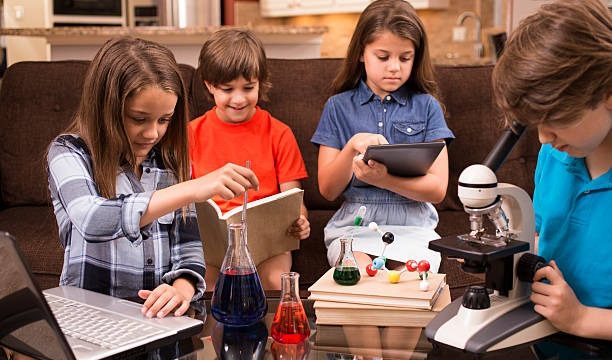
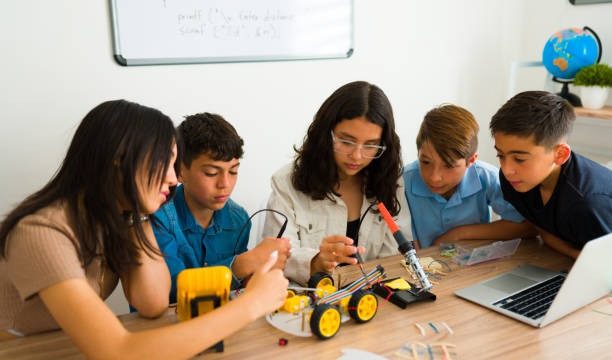
Encouraging teamwork is another effective way to instill the value of celebrating others. When children work together on group projects or activities, they learn to rely on each other’s strengths. Celebrating the contributions of each member can help them understand that success is often a collective effort. For instance, if a group successfully completes a science project, take a moment to highlight the unique role each child played. This not only reinforces the importance of collaboration but also shows that every contribution matters.
Incorporating fun and creativity into this learning process can make it even more engaging. Organizing celebratory events, like a “success wall” where kids can post achievements—whether personal or from friends—can create a visual reminder of the importance of recognizing others. This can be particularly effective in school settings, where children can see their own successes alongside those of their peers, fostering a sense of community and mutual support.
Another gentle approach is to introduce books and stories that highlight the theme of celebrating others. There are countless children’s books that portray characters who uplift one another, emphasizing teamwork and the joy of shared triumphs. Reading these stories together can spark meaningful conversations about the importance of support and encouragement. Encourage your child to think about how they would feel in similar situations and how they might respond to the successes of others.
As children learn to celebrate others, it’s also essential to help them navigate their feelings of envy or disappointment that may arise when they feel overshadowed. Teaching them to process these emotions can be an invaluable lesson in emotional intelligence. Encourage open discussions about their feelings, helping them understand that it’s okay to feel a bit jealous sometimes. Acknowledging these feelings can lead to a deeper understanding of how to turn them into motivation rather than resentment.
Encouraging children to actively participate in celebrating others’ successes can also foster a sense of belonging. Consider involving them in activities such as organizing a birthday party for a friend or helping to cheer on a teammate during a game. These experiences can help children feel more connected to their peers while reinforcing the idea that joy is amplified when shared.
As parents and caregivers, we can also take this opportunity to reflect on our own attitudes toward success. Are we easily congratulating others, or do we find ourselves feeling competitive? By embodying the values we wish to instill in our children, we can create a harmonious environment that nurtures their ability to celebrate others.
Ultimately, teaching kids to celebrate others’ successes is a journey that requires patience and intention. It’s about creating a mindset that values cooperation over competition, joy over jealousy, and gratitude over grumbling. As they learn to lift each other up, they will not only enrich their own lives but also contribute to a more compassionate and supportive community.
In a world that often emphasizes individual achievement, instilling the importance of celebrating others can lead to profound changes in how children perceive themselves and their relationships. By nurturing this mindset, we empower them to become not just successful individuals but also thoughtful, empathetic members of society. The ripple effects of these lessons can extend far beyond childhood, influencing their interactions and experiences for years to come.