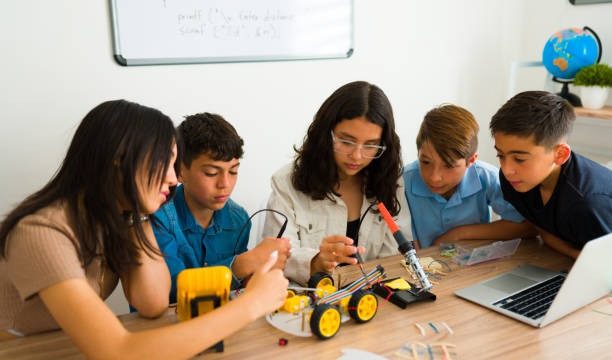
In a world filled with screens and constant stimulation, encouraging children to explore their imagination has never been more vital.
Imagination is a powerful tool that not only fosters creativity but also enhances problem-solving skills and emotional intelligence.
As parents and caregivers, nurturing this innate ability can lead to a more fulfilling and enriched childhood experience.
Children possess a natural curiosity about the world around them, and tapping into this curiosity can be as simple as creating an environment that invites exploration. This can mean providing them with the space to dream, think, and create freely. Whether it is through storytelling, art, or imaginative play, the key is to allow children the freedom to express themselves without limitations.
Creating a nurturing environment begins at home. Consider setting up a dedicated space where your child can engage in creative activities. This could be a cozy corner filled with art supplies, books, and toys that inspire imaginative play. When children feel comfortable and inspired, they are more likely to dive into their own worlds of creativity.
One way to spark imagination is through storytelling. Reading to your child not only helps develop their language skills but also opens the door to endless possibilities. Choose stories that transport them to different worlds, introduce them to diverse characters, and challenge their thinking. Encourage them to ask questions about the story, predict what might happen next, or even create alternate endings. This active engagement with narratives helps them learn to think critically and creatively.
As they grow older, you might consider incorporating storytelling in different formats. For instance, you could encourage them to create their own stories using drawings or even through play. Puppets, dolls, or action figures can all become characters in the tales they weave. This not only enhances their storytelling skills but also provides a platform for emotional expression.
Exploring nature is another wonderful way to ignite a child’s imagination. Nature is rich with inspiration, offering a canvas of sights, sounds, and textures that can stimulate creative thinking. A simple walk in the park can become an adventure filled with discoveries. Collecting leaves, observing insects, or even watching clouds can all lead to imaginative play. Encourage your child to ask questions about what they see, feel, and hear.
Art is also an incredible vehicle for imagination. Providing your child with various materials—paints, crayons, clay—encourages them to express their inner visions. It is essential to create a judgment-free zone where the focus is purely on the process of creation rather than the final product. Celebrate their efforts and imagination, no matter how abstract or unconventional their artwork may be. This reinforces the idea that there are no wrong answers in creativity.
Another gentle approach to fostering imagination is through music. Introducing your child to different genres of music can inspire them to think and feel in new ways. Encourage them to dance, sing, or even create their own songs. Music can evoke emotions and memories, serving as a catalyst for creative thinking. You might find that a simple tune can lead to a dance party in the living room or a spontaneous sing-along that brings the family together.
Technology, while often seen as a barrier to imaginative play, can also be harnessed positively. There are numerous educational apps and games designed to stimulate creativity and problem-solving skills. The key is to choose content wisely and limit screen time, ensuring that it complements rather than replaces real-world experiences.
As children engage in imaginative play, they often create scenarios that allow them to explore their feelings and work through challenges. This can be particularly beneficial in helping them understand social interactions and navigate their emotions. For instance, role-playing can provide a safe space for them to explore difficult situations, such as sharing with friends or dealing with disappointment.
Encouraging collaboration with peers can also enhance imaginative play. Group activities, whether they are building forts, playing dress-up, or engaging in team sports, allow children to share ideas and learn from one another. This not only fosters creativity but also builds essential social skills.
In our busy lives, it can be easy to overlook the importance of unstructured playtime. However, allowing children to engage in free play is crucial for their imaginative development. This is the time when they can explore their interests, develop their ideas, and learn through trial and error. Resist the urge to micromanage their play; instead, observe and offer gentle guidance when necessary.
As children delve into their imaginative worlds, it’s important to acknowledge their efforts and celebrate their creativity, whether through a gallery wall showcasing their artwork or simply praising their ideas. This validation nurtures their self-esteem and encourages them to continue exploring their imagination.
Ultimately, helping children explore with imagination is about creating a rich tapestry of experiences that inspire curiosity, creativity, and emotional growth. By providing them with the tools, space, and encouragement they need, we can help them develop into imaginative thinkers and compassionate individuals. In a world that often prioritizes conformity, nurturing a child’s imagination can be a beautiful gift, paving the way for a future filled with innovation and empathy.
As we guide our children through their imaginative journeys, let us remember to join them in their explorations. By engaging in creative activities together, we can strengthen our bonds and create lasting memories that will fuel their imagination for years to come. Embracing this journey together not only enriches their lives but also our own, reminding us of the joy and wonder that comes from seeing the world through a child’s eyes.