In a world that often emphasizes structured learning and achievement, it’s essential to remember the power of play in nurturing young minds.
Play is not merely a pastime; it is a vital component of a child’s development, enriching their cognitive, emotional, and social skills.
Through the lens of play, we can explore how children learn, grow, and connect with their surroundings, offering them a foundation for lifelong learning.
The beauty of play lies in its natural ability to engage children without the weight of expectations. When children are immersed in play, they explore new ideas, test boundaries, and express their creativity. Whether it’s building a fort out of couch cushions, pretending to be a superhero, or engaging in imaginative storytelling, every moment of play serves as an opportunity for discovery. This unstructured time allows children to develop problem-solving skills as they navigate challenges in their play scenarios.
As children engage in various forms of play, they begin to develop important cognitive skills. For instance, role-playing games encourage them to think critically about different perspectives, fostering empathy and understanding. When a child takes on the role of a doctor, they not only learn about the duties associated with that profession but also gain insights into caring for others. This imaginative play can ignite a lifelong passion for learning and exploring different fields, ultimately shaping their future aspirations.
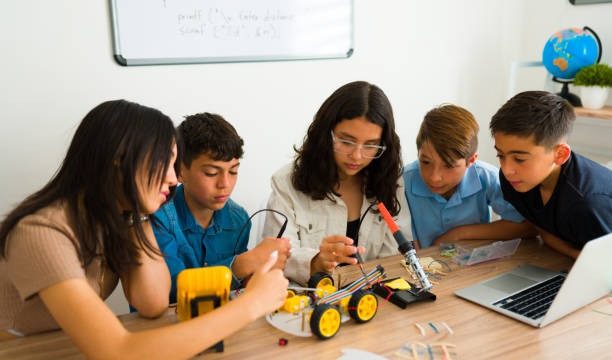
Social skills flourish in play environments where children interact with their peers. Through cooperative games and shared experiences, they learn the art of negotiation and collaboration. These interactions help children understand the dynamics of friendship and teamwork, teaching them to communicate effectively and resolve conflicts. The laughter and joy that accompany play create a sense of belonging, reinforcing their emotional well-being and providing a safe space to express themselves.
Play also holds the key to emotional growth. It serves as a natural outlet for children to express their feelings, providing them with the tools to navigate their emotions. When children engage in dramatic play, they often act out scenarios that may mirror their own experiences, allowing them to process complex feelings in a safe and supportive environment. This form of expression can be particularly beneficial during times of change or stress, helping them to cope with their emotions in a constructive way.
A gentle shift toward balance can be found by integrating play into daily routines. Parents and caregivers can create an environment where play is encouraged and valued. This doesn’t mean that every moment needs to be filled with structured activities; rather, it’s about recognizing the importance of unstructured playtime. Setting aside time for free play allows children to explore their interests and engage in activities that genuinely excite them, fostering a sense of autonomy and confidence.
Incorporating play into learning can also enhance educational experiences. Many educators are beginning to recognize the value of playful learning environments in schools. By blending traditional teaching methods with playful activities, children can engage with the material in a more meaningful way. For instance, using games to teach math concepts or storytelling to enhance literacy skills can make learning more enjoyable and accessible. This approach not only captures children’s attention but also reinforces their understanding of complex subjects.
Nature can be a wonderful ally in the journey of playful learning. Outdoor play offers children the chance to connect with the natural world while engaging in physical activity. Climbing trees, running in open fields, or simply observing insects can spark curiosity and inspire a sense of wonder. Nature provides an ever-changing backdrop for exploration, encouraging children to ask questions and seek answers. This connection to the environment nurtures a sense of responsibility and respect for the world around them.
As we consider the role of play in child development, it’s important to recognize that every child is unique. Their interests and play styles may vary, and it’s essential to honor their individuality. Some children may thrive in group settings, while others may prefer solitary play. Understanding and supporting these preferences can help foster a positive relationship with play, allowing children to engage in ways that feel authentic to them.
Creating a culture of playfulness within families can also strengthen bonds and enhance relationships. Family game nights, outdoor adventures, or simple activities like cooking together can foster connection and create lasting memories. These shared experiences not only promote joy but also provide opportunities for communication and understanding among family members.
As we navigate the complexities of modern life, it’s easy to overlook the significance of play. Yet, by prioritizing play in our children’s lives, we are investing in their future. Encouraging a playful spirit can help children develop resilience, creativity, and a love for learning that will serve them well throughout their lives.
In conclusion, growing minds through play is a beautiful journey that nurtures every aspect of a child’s development. By embracing the power of play, we can create an environment where curiosity thrives, relationships flourish, and emotional well-being is prioritized. As we watch our children explore, create, and connect through play, we can take comfort in knowing that they are not just playing; they are growing. Let us celebrate the joy of play and recognize its invaluable role in shaping the minds and hearts of the next generation.