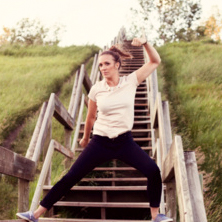
High intensity interval training, or HIIT, has become a popular way to improve fitness efficiently, combining periods of vigorous activity with moments of rest or lighter movement.
While HIIT may sound intimidating to newcomers, it does not need to be overwhelming.
With welcoming and approachable strategies, new users can experience the benefits of HIIT while building confidence, strength, and endurance in a supportive and sustainable way.
The first step for anyone starting HIIT is to focus on simplicity. Basic exercises using body weight, such as squats, lunges, gentle jumping jacks, and push-ups, provide a strong foundation. These movements engage major muscle groups, promote cardiovascular health, and help improve overall coordination without requiring complicated equipment or advanced skills. Keeping exercises straightforward allows new users to concentrate on proper form and controlled effort, which reduces the risk of injury and promotes confidence during each session.
Short, manageable sessions are another key aspect of welcoming HIIT approaches. Workouts can be as brief as ten to fifteen minutes and still offer meaningful benefits. Starting with shorter intervals helps users gradually adapt to the intensity of HIIT, while still achieving improvements in endurance, strength, and energy levels. This approach ensures that HIIT feels approachable and realistic, encouraging consistency and the formation of a positive exercise habit.
Pacing is crucial for new users. Understanding that HIIT is not about pushing to maximum effort in every session allows beginners to focus on steady improvement. Alternating periods of moderate activity with rest or lighter movement helps the body adjust to higher intensity gradually. For example, twenty seconds of gentle squats followed by thirty seconds of marching in place provides a balanced rhythm that introduces the benefits of HIIT without creating undue strain. Over time, users can naturally increase intensity as their fitness improves.
Modifications and alternatives are essential for making HIIT welcoming. Not everyone is comfortable with jumping or high-impact movements, and that is completely acceptable. Low-impact variations, such as step-back lunges, seated knee lifts, or side steps, maintain an elevated heart rate while reducing stress on joints. These modifications allow new users to participate fully, feel capable, and progress at their own pace. Offering options encourages a sense of control and makes HIIT accessible to a wider audience.
Mindfulness and focus on form are particularly important for beginners. Paying attention to posture, alignment, and breathing not only improves the effectiveness of each exercise but also helps prevent discomfort and injury. Mindful practice encourages new users to connect with their bodies, appreciate the effort involved, and notice subtle improvements over time. This awareness fosters a positive relationship with movement, which is central to maintaining long-term fitness.
Another welcoming approach is to incorporate variety within sessions. Alternating exercises that target different muscle groups keeps the workout engaging and reduces the risk of overuse. For instance, combining lower body movements, upper body exercises, and core-focused intervals in a single session ensures a well-rounded routine. Variation prevents boredom and helps beginners experience different aspects of fitness, such as strength, endurance, and coordination, all in one session.
Music can also enhance the experience for new users. Upbeat or rhythmic tracks help set a natural pace for intervals and provide motivation throughout the session. Music can make transitions between effort and rest feel smoother, and it creates a more enjoyable atmosphere. Pairing exercises with music adds an element of fun, making HIIT feel less like a challenge and more like an energizing activity to look forward to.
Setting achievable goals is another strategy that makes HIIT welcoming for beginners. Simple objectives, such as completing a set number of intervals, maintaining proper form, or increasing repetitions slightly over time, provide a sense of accomplishment. Celebrating these milestones encourages continued participation and reinforces the idea that progress is built gradually. Focusing on personal achievements rather than comparison with others fosters a positive mindset and supports consistent effort.
Short recovery periods are an important feature of beginner-friendly HIIT. Resting between intervals allows the body to recharge, making it easier to complete each set with good form and adequate energy. Recovery also teaches new users to listen to their bodies and recognize when to adjust intensity. This balance between effort and rest is fundamental for creating a sustainable and enjoyable HIIT routine that builds strength and stamina over time.
Accessibility and flexibility further enhance the welcoming nature of HIIT for new users. Exercises can be performed at home, outdoors, or in small spaces, and minimal or no equipment is required. Using simple tools such as a chair for support or light weights for added resistance provides variety without complicating the routine. The ease of access removes barriers and encourages beginners to integrate HIIT into daily life, fostering consistency and confidence.
Social support can also make HIIT more approachable. Exercising with a friend, family member, or small group provides encouragement, motivation, and a sense of connection. Partner exercises or synchronized intervals create a shared experience that is both supportive and enjoyable. Positive social interaction reinforces commitment to a regular routine and adds an element of fun to sessions, making newcomers feel welcomed and included.
Outdoor settings can add additional enjoyment to beginner HIIT sessions. Performing exercises in parks, yards, or other open spaces provides fresh air, natural light, and a change of scenery. Outdoor intervals such as gentle sprints, step-ups on a bench, or simple agility drills can make workouts feel more like an engaging activity rather than a structured routine. Being in nature also contributes to mental clarity and improved mood, enhancing the overall experience for new users.
Functional movements can further support a welcoming HIIT approach. Simple exercises that mimic everyday activities, like stepping up, bending, twisting, or pushing, help build strength and coordination that translates to daily life. Incorporating these movements makes HIIT feel practical, relevant, and immediately rewarding. Beginners can appreciate the direct benefits of these exercises, which boosts motivation and confidence.
Finally, progress tracking and reflection help new users stay engaged and encouraged. Recording intervals completed, repetitions, or duration provides tangible evidence of improvement. Noticing growth over time reinforces effort and highlights the positive impact of consistent movement. Tracking achievements allows beginners to celebrate small victories, fostering a sense of accomplishment that encourages continued participation.
In conclusion, welcoming approaches to HIIT for new users focus on accessibility, simplicity, variety, and mindfulness. By choosing exercises that are easy to perform, providing modifications, incorporating short and manageable sessions, and balancing effort with rest, beginners can experience the benefits of HIIT safely and enjoyably. Combining music, outdoor settings, social support, and functional movements further enhances engagement and motivation. These strategies create a friendly, supportive environment where new users can build strength, endurance, and confidence.
HIIT does not need to be intimidating or overwhelming. With thoughtful planning, encouragement, and a focus on gradual progress, beginners can enjoy effective workouts that nurture the body and mind. Welcoming approaches provide the tools and mindset needed to make HIIT a positive and rewarding part of daily life, encouraging long-term movement, steady improvement, and a confident sense of fitness.