In the bustling world we live in, it’s easy to overlook the simple joys of play.
For children, play is not just a way to pass the time; it’s a fundamental part of their learning journey.
As parents, caregivers, and educators, embracing the power of everyday play can open up a treasure trove of opportunities for growth, creativity, and connection.
The beauty of play lies in its innate ability to blend learning with joy. When children engage in play, they are not just having fun; they are developing critical life skills. From problem-solving to social interaction, play fosters an environment where children can explore their thoughts and feelings. Whether they’re building with blocks, pretending to cook in a toy kitchen, or playing dress-up, every playful moment is a stepping stone toward understanding the world around them.
Creating a nurturing environment for play is essential. It doesn’t require elaborate toys or structured activities; rather, it thrives on the freedom to explore and imagine. A cozy corner with cushions, a few art supplies, or even a simple cardboard box can ignite a child’s creativity. The key is to allow children the space to express themselves without the pressure of achieving a specific outcome. This open-ended approach encourages exploration and discovery, fostering a love for learning that lasts a lifetime.
The role of adults in this playful journey is significant. By participating in play, caregivers can deepen their bond with children and gain insight into their thoughts and feelings. Joining in a game of make-believe or helping to build a fort can create shared experiences that strengthen relationships. These moments of connection not only enrich the play experience but also provide a safe space for children to express themselves. It’s through these interactions that children learn cooperation, empathy, and communication skills.
A small shift toward balance can also be beneficial. While structured activities and educational programs have their place, it’s important to remember that unstructured play is equally valuable. Allowing children to lead their playtime encourages independence and decision-making. When children choose what to play and how to play it, they develop confidence in their abilities. This autonomy not only enhances their creativity but also nurtures a sense of responsibility and self-regulation.
Everyday play also serves as a wonderful avenue for learning through exploration. Nature, for instance, is a boundless playground filled with opportunities for discovery. A walk in the park can transform into a lesson about different plants, animals, and the environment. Collecting leaves or stones can spark conversations about colors, shapes, and textures. By observing and interacting with the world around them, children develop a sense of curiosity and appreciation for nature. These experiences not only enhance their understanding but also cultivate a lifelong love for the great outdoors.
Incorporating everyday play into routines can be a delightful way to support learning. Simple activities like cooking together can introduce concepts of measurement, following instructions, and even nutrition. Gardening can teach patience and responsibility, as children watch their plants grow over time. Even household chores, when approached playfully, can become opportunities for learning. Transforming tasks into games can make the mundane enjoyable while instilling a sense of accomplishment.
The power of storytelling in play cannot be understated. Whether through books, puppet shows, or imaginative play, stories captivate children and enhance their language skills. When children narrate their own tales, they practice vocabulary, sentence structure, and narrative skills. Encouraging them to create their own stories not only boosts their confidence but also sparks their imagination. This love for storytelling can translate into a lifelong passion for reading and writing.
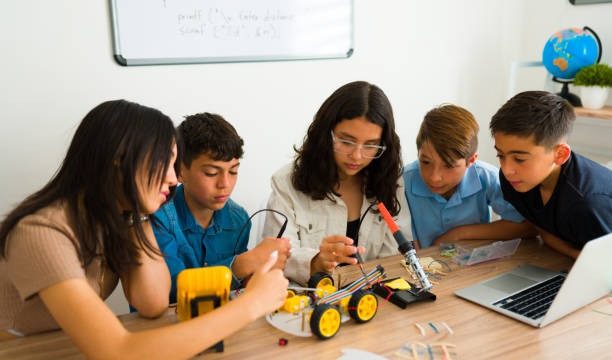
As children grow, the nature of their play evolves. While younger children may immerse themselves in imaginative play, older children may gravitate toward games that require strategy and collaboration. It’s essential to nurture this progression and provide opportunities for more complex play. Board games, team sports, and collaborative projects can help develop critical thinking and teamwork skills. Supporting children in navigating these different types of play ensures that they continue to grow and learn in a supportive environment.
In our fast-paced society, it’s important to remember that play is not a luxury; it’s a necessity. For children, play is a vital aspect of their development, providing a foundation for learning and emotional well-being. By prioritizing play in their daily lives, we can create a rich tapestry of experiences that nurture their growth.
Encouraging a playful mindset extends beyond childhood. As adults, embracing play in our own lives can lead to greater creativity, reduced stress, and improved relationships. When we approach life with a sense of playfulness, we open ourselves up to new experiences and perspectives. This shift can have a profound impact on our well-being, allowing us to find joy in the everyday.
In conclusion, supporting learning through everyday play is a beautiful journey that benefits both children and adults. By creating environments that encourage exploration, fostering connections through shared experiences, and embracing the simplicity of play, we can nurture a lifelong love for learning. As we navigate the often hectic pace of life, let’s remember to pause and engage in the simple joys of play, celebrating the wonder it brings to our lives and the lives of our children. After all, in the world of play, every moment is an opportunity for discovery, connection, and growth.