The environment we live, work, and play in has a profound impact on how we move and engage with daily life.
A thoughtfully designed space can encourage physical activity, improve mobility, and enhance overall well-being.
Conversely, cluttered, unsafe, or poorly organized areas can limit movement, reduce confidence, and even contribute to discomfort or injury. Understanding how the right environment influences mobility helps individuals create spaces that support freedom of movement, safety, and enjoyment, making physical activity a natural part of everyday routines.
One of the most important aspects of a movement-friendly environment is clear, open space. Pathways that are free of obstacles allow for safe and confident movement. Whether at home, in the office, or in public areas, removing clutter, securing cords, and organizing furniture to create wide, unobstructed routes encourages walking, stretching, and other forms of activity. When people can move without hesitation or fear of tripping, they are more likely to engage in spontaneous movement throughout the day, whether it is walking to another room, reaching for an object, or performing light exercises.
Safety features play a critical role in motivating movement. Non-slip flooring, well-secured rugs, proper lighting, and handrails or grab bars in key areas reduce the risk of falls and injuries. In environments that are designed to prevent accidents, individuals feel more confident exploring their surroundings and performing daily tasks. For older adults or those with mobility challenges, safety considerations are particularly important, as they directly impact the willingness to remain active. A secure environment fosters confidence, allowing movement to become natural and effortless.
Accessibility is another key factor in encouraging movement. Frequently used items should be within easy reach, and pathways should accommodate mobility aids when necessary. Doorways and hallways designed to provide ample space for walking or using walkers, canes, or wheelchairs make activity more comfortable and stress-free. Adjustable furniture, ergonomic workstations, and thoughtfully arranged storage systems all contribute to an environment where movement is supported and accessible to everyone. When accessibility is prioritized, individuals are more likely to move regularly without unnecessary strain.
Natural light and ventilation also encourage physical activity. Bright, well-lit spaces enhance visibility, reduce fatigue, and create a more inviting atmosphere for movement. Sunlight stimulates energy and promotes mental well-being, making people more inclined to engage in physical activity. Adequate ventilation ensures fresh air circulation, supporting comfort and endurance during activity. Spaces that feel open, airy, and bright naturally draw people into movement, as they feel more pleasant and energizing.
Incorporating areas specifically designed for movement can further motivate activity. Small open corners, designated exercise zones, or walking paths within the home or community environment provide opportunities for intentional activity. Even minimal space can be adapted for stretching, balance exercises, or light strength training. Having visible, dedicated spaces reminds individuals to stay active and encourages consistent practice. When movement areas are clearly defined and easily accessible, participation becomes more likely and enjoyable.
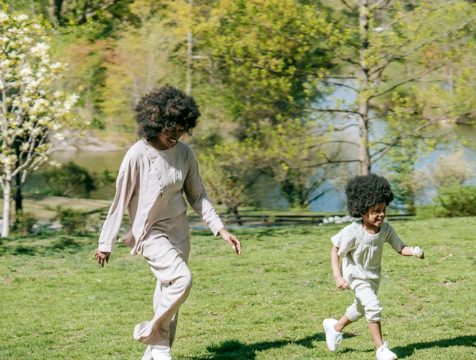
Encouraging variety in movement is enhanced by the environment as well. Outdoor spaces such as parks, gardens, or walking trails invite different types of activity, from walking and jogging to gardening or playing with children. Indoor spaces can be arranged to accommodate multiple forms of movement, including stretching, yoga, or strength exercises. Providing diverse options helps maintain engagement, prevents boredom, and ensures that various aspects of physical fitness are addressed. A stimulating environment inspires curiosity and motivation, prompting people to move in multiple ways throughout the day.
Technology can complement a movement-friendly environment by adding convenience and safety. Motion-activated lights, smart home systems, or exercise tracking devices help monitor and encourage activity. Digital reminders or guided exercise programs can provide structure and motivation, making movement a seamless part of the daily routine. Technology integrated thoughtfully into the environment enhances accessibility, safety, and consistency, reinforcing healthy movement habits.
Organization and clutter management are essential for sustaining an environment that encourages movement. Well-organized spaces reduce obstacles and make physical activity easier and more inviting. Shelving, storage units, and furniture placement designed to maximize usable space prevent congestion and allow for free movement. When items are logically arranged, it is easier to perform tasks without awkward movements or unnecessary bending, which supports joint health, comfort, and overall mobility.
The environment also affects mental motivation for movement. Spaces that feel welcoming, comfortable, and aesthetically pleasing encourage activity. Clean, bright, and well-arranged areas foster a sense of calm and energy, making people more likely to move confidently and enjoyably. Colors, lighting, and visual openness all contribute to creating spaces that are psychologically inviting, reinforcing the connection between the mind and physical activity. When people feel good in their surroundings, they are more inclined to move naturally and frequently.
Social aspects of the environment influence movement as well. Spaces that facilitate interaction, such as parks, walking paths, or community centers, encourage people to engage in group activities. Walking with friends, participating in group exercises, or simply moving in shared spaces increases motivation and enjoyment. Social engagement fosters accountability, makes activity more enjoyable, and reinforces positive habits, which contributes to long-term mobility and well-being.
Flexibility in the environment ensures that movement remains accessible as needs change over time. Furniture that can be rearranged, adaptable equipment, and multifunctional spaces allow individuals to maintain mobility regardless of physical changes or life circumstances. Adaptable environments reduce barriers, making it easier to continue active routines as people age or encounter temporary limitations. Flexibility in design ensures that spaces remain supportive, practical, and motivating in the long term.
Routine integration is a practical way the environment encourages movement. Arranging frequently used items in accessible locations, keeping walkways clear, and providing dedicated areas for stretching or exercise make it easier to incorporate activity naturally throughout the day. When movement is embedded into daily routines and supported by the surrounding space, it becomes habitual rather than optional. A well-planned environment reinforces consistency and makes mobility an effortless part of life.
Ultimately, the right environment transforms the way people interact with movement. It combines safety, accessibility, aesthetics, and functionality to create spaces that inspire activity, foster confidence, and promote well-being. From clear pathways and ergonomic furniture to well-lit spaces and designated activity zones, every aspect of the environment can influence the willingness and ability to move. Thoughtful design encourages people to engage in daily activity naturally and comfortably, supporting both physical health and overall quality of life.
By prioritizing the creation of spaces that support and inspire movement, individuals of all ages can enjoy greater mobility, independence, and comfort. An environment that nurtures activity makes movement feel effortless, enjoyable, and rewarding, encouraging consistent habits that enhance physical and mental well-being. In this way, the spaces we inhabit become active partners in promoting healthy, confident, and sustained mobility throughout life.