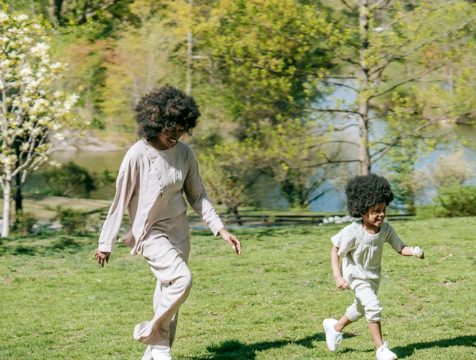
Spending time outdoors brings many benefits, from fresh air and natural light to a sense of freedom and connection with the surrounding environment.
For individuals with mobility challenges, enjoying the outdoors comfortably and safely requires thoughtful planning and the right tools.
Enhanced outdoor mobility is not only about moving from one place to another; it is about maintaining independence, confidence, and a sense of ease while exploring different environments. With the right strategies, equipment, and habits, outdoor activities can become enjoyable, accessible, and empowering.
One of the key factors in enhancing outdoor mobility is selecting appropriate mobility aids. Traditional tools like canes, walkers, and wheelchairs provide essential support, but modern designs often include features specifically for outdoor use. For example, some walkers and rollators are equipped with larger, rugged wheels that handle uneven terrain, while outdoor wheelchairs may have reinforced frames and all-terrain tires. These adaptations allow users to navigate parks, sidewalks, and trails with greater stability and comfort. Choosing equipment that matches the type of outdoor activity ensures that mobility remains smooth and stress-free.
Electric mobility devices have become a popular option for individuals who want to cover longer distances with less effort. Mobility scooters and electric wheelchairs can provide independence and confidence, especially in outdoor settings where terrain varies. Many models offer adjustable seating, suspension systems, and programmable controls, making it easier to maintain comfort over extended periods. With thoughtful planning, these devices allow people to access community spaces, gardens, and walking paths without fatigue or unnecessary strain.
Footwear and clothing also play an important role in outdoor mobility. Comfortable, supportive shoes with good traction can reduce the risk of slips and provide cushioning for longer walks. Breathable, flexible clothing allows freedom of movement while adapting to weather conditions. Layering garments ensures that users remain comfortable in changing temperatures, while hats, sunglasses, and sunscreen provide protection from the sun. These considerations may seem simple, but they significantly improve comfort, confidence, and endurance during outdoor activity.
Planning outdoor routes carefully contributes to enhanced mobility. Choosing paths with smooth surfaces, gentle inclines, and accessible rest areas helps make movement easier and more enjoyable. Many communities now provide accessible trails, ramps, and sidewalks designed to accommodate a range of mobility needs. Mapping routes in advance, including nearby benches or shaded areas, allows users to take breaks when needed and reduces the risk of fatigue. Thoughtful route selection supports independence and encourages exploration without discomfort.
In addition to equipment and route planning, incorporating gentle exercise and warm-up routines can improve outdoor mobility. Stretching before heading out loosens muscles and prepares joints for movement. Light strengthening exercises, particularly for the legs and core, help maintain balance and stability. Even simple movements performed regularly can reduce stiffness, enhance endurance, and make outdoor activity more manageable. Consistent attention to physical preparation ensures that mobility is maintained comfortably over time.
Technology has introduced several tools that further support outdoor mobility. GPS-enabled devices and smartphone applications can provide real-time navigation, highlighting accessible routes and avoiding obstacles. Some apps offer information about park accessibility, ramps, and restroom locations, allowing users to plan trips confidently. Wearable devices can monitor activity levels, heart rate, and distance traveled, helping individuals pace themselves and track progress. These tools combine safety, convenience, and peace of mind, enabling more independent exploration.
Social support can also enhance outdoor mobility. Going outdoors with friends, family members, or community groups offers companionship, encouragement, and practical assistance if needed. Shared outdoor experiences make activity more enjoyable and help establish routines that promote consistent movement. Social engagement fosters motivation and reduces the sense of isolation that can sometimes accompany mobility challenges, transforming outdoor time into both a physical and emotional benefit.
Environmental awareness is another key consideration for enhanced mobility. Weather conditions, surface textures, and lighting all affect comfort and safety outdoors. Rain, snow, or uneven terrain can pose challenges, so it is important to plan activities according to conditions. Wearing appropriate footwear, carrying water, and being mindful of potential obstacles support both safety and confidence. When users are prepared for environmental variations, outdoor mobility becomes a predictable and enjoyable experience rather than a source of stress.
For individuals seeking greater freedom in outdoor movement, adaptive sports and recreational activities offer excellent options. Activities such as adaptive cycling, hiking with supportive equipment, or wheelchair-accessible sports combine exercise with social interaction and fun. These experiences encourage consistent activity, build strength and flexibility, and promote confidence. By participating in outdoor recreation designed for a range of abilities, individuals can enjoy the benefits of nature while maintaining mobility and independence.
Maintaining endurance is an important aspect of outdoor mobility. Gradually increasing distance and activity time allows the body to adapt without causing strain. Taking regular breaks, staying hydrated, and monitoring comfort levels help sustain energy and prevent fatigue. Over time, consistent practice builds stamina and resilience, making longer walks or outings feel achievable and rewarding. Endurance, combined with the right equipment and planning, enhances both the quality and the duration of outdoor experiences.
Careful attention to posture and body mechanics can reduce discomfort during outdoor activity. Standing tall, engaging core muscles, and walking with natural stride patterns help distribute weight evenly and reduce strain on joints. These habits support smoother movement, reduce the risk of injury, and make outdoor mobility feel more controlled and comfortable. Awareness of body mechanics is a simple yet effective tool for preserving comfort and independence.
Accessibility considerations extend beyond personal mobility aids. Community design, such as the presence of ramps, wide sidewalks, and accessible restrooms, directly impacts the ease with which individuals navigate outdoor spaces. Engaging with local initiatives, supporting inclusive design, and providing feedback to public spaces can help create environments that accommodate a variety of mobility needs. When outdoor spaces are thoughtfully designed, everyone has the opportunity to participate fully in outdoor life.
Ultimately, exploring options for enhanced outdoor mobility is about combining preparation, support, and confidence. Selecting appropriate equipment, planning routes, preparing physically, and leveraging technology all contribute to smoother, safer movement. Outdoor activity becomes not just a matter of getting from one place to another, but a rewarding experience that promotes independence, health, and emotional well-being.
By approaching outdoor mobility with care and intention, individuals can enjoy the benefits of nature, social engagement, and physical activity. With consistent attention to preparation, environment, and supportive tools, mobility challenges do not have to limit exploration. Outdoor life can remain accessible, enjoyable, and empowering, allowing people to move confidently, maintain independence, and embrace the richness of their surroundings. Enhanced outdoor mobility is, at its heart, an investment in freedom, well-being, and the joy of moving through the world with comfort and ease.