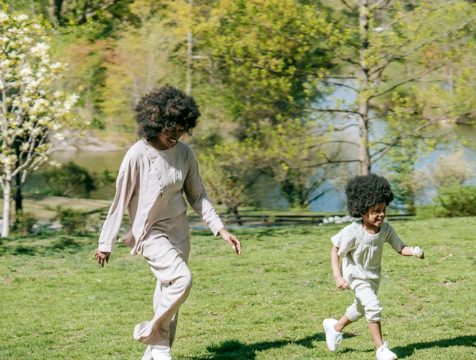
Endurance is often associated with athletic performance or physical stamina, but its benefits extend far beyond fitness alone.
Developing endurance influences mental resilience, emotional stability, and overall well-being, making it a cornerstone of a balanced lifestyle.
When approached thoughtfully, endurance not only strengthens the body but also supports habits, routines, and mindsets that contribute to harmony in daily life. Understanding how endurance affects multiple aspects of life reveals its unique ability to foster balance, consistency, and long-term health.
At the most basic level, endurance allows individuals to sustain effort over time. Whether completing daily tasks, engaging in physical activity, or tackling mentally demanding projects, endurance ensures that energy and focus remain steady. This capacity to maintain consistent effort reduces feelings of fatigue and overwhelm, making it easier to handle multiple responsibilities without becoming overextended. By supporting sustained performance, endurance creates a sense of control and stability, two key elements of a balanced lifestyle.
One of the most noticeable ways endurance contributes to balance is through energy management. When stamina improves, tasks that once felt exhausting become manageable, and the body uses energy more efficiently. Physical endurance, for instance, allows individuals to complete chores, commute actively, or participate in recreational activities without excessive fatigue. Mental endurance supports focus, concentration, and problem-solving, helping individuals navigate professional or personal challenges effectively. Together, these abilities create equilibrium between effort and capacity, allowing life’s demands to feel more attainable.
Consistency, a hallmark of endurance, is another factor that promotes a balanced lifestyle. Regular engagement in physical activity, mental exercises, or daily routines reinforces habits that support overall well-being. When activities are repeated steadily, they become natural parts of life rather than burdensome obligations. For example, incorporating moderate exercise, mindful breathing, or focused work sessions into daily schedules encourages regularity and structure. This consistency ensures that time and energy are allocated thoughtfully, fostering stability and reducing stress.
Endurance also encourages patience, which is essential for balance. Long-term goals in health, career, or personal development rarely produce immediate results. By learning to sustain effort and tolerate temporary discomfort, individuals develop a patient approach to progress. Patience allows for deliberate decision-making, careful planning, and a measured response to challenges. When endurance is combined with patience, lifestyle choices are guided by long-term benefits rather than impulsive actions, contributing to harmony between immediate needs and future goals.
Self-discipline is closely linked to endurance and plays a central role in maintaining a balanced lifestyle. Sustained effort requires planning, focus, and the ability to resist distractions or temptations. Whether adhering to a fitness regimen, managing work responsibilities, or pursuing personal growth, endurance strengthens the ability to remain consistent and committed. This disciplined approach promotes efficient use of time and energy, helping individuals allocate resources in a way that supports both productivity and self-care.
Mental resilience cultivated through endurance further supports a balanced lifestyle. Sustained physical or cognitive effort often involves periods of fatigue, challenge, or frustration. Developing endurance helps individuals cope with these moments without abandoning their goals. Mental resilience allows for better problem-solving, emotional regulation, and adaptive thinking. By maintaining focus and composure during difficult situations, individuals can navigate life’s challenges more effectively, reducing stress and promoting a sense of equilibrium.
Controlled breathing and mindful awareness, often integrated into endurance practices, also contribute to balance. Activities like running, swimming, yoga, or prolonged focus exercises emphasize the connection between breath and movement. Regulating breathing promotes relaxation, enhances oxygen delivery, and increases overall efficiency. Mindful engagement during endurance activities strengthens the mind-body connection, allowing individuals to remain present, reduce tension, and foster calm. This awareness extends to daily life, supporting thoughtful responses and a balanced approach to responsibilities and challenges.
Endurance encourages adaptability, which is essential for managing a balanced lifestyle. Life is unpredictable, and routines or energy levels may vary from day to day. Individuals with well-developed endurance can adjust activity intensity, duration, or focus while maintaining consistent engagement. This flexibility allows for the incorporation of exercise, work, and leisure even when circumstances change, ensuring that balance is maintained without compromising overall goals. Adaptability combined with stamina allows individuals to respond to life’s fluctuations with confidence and composure.
Social engagement and community involvement can be strengthened through endurance practices, contributing to a balanced lifestyle. Participating in group workouts, team sports, or collaborative projects fosters accountability, motivation, and a sense of connection. Endurance allows individuals to sustain participation in these activities, benefiting both physical health and emotional well-being. Positive social interaction reduces stress, encourages consistency, and reinforces habits that promote long-term balance. The combination of personal effort and social support creates a harmonious lifestyle where multiple aspects of well-being are nurtured simultaneously.
Recovery is a vital component of endurance that directly supports lifestyle balance. Adequate rest, hydration, and proper nutrition ensure that physical and mental energy are replenished. By recognizing the importance of recovery, individuals avoid burnout and maintain sustainable progress. Recovery also allows for reflection, self-awareness, and planning, further enhancing the integration of endurance into a balanced routine. The practice of alternating effort with rest cultivates harmony, demonstrating that balance is not about constant activity but about thoughtful management of energy and priorities.
Endurance contributes to a positive mindset, which reinforces balanced living. Experiencing gradual improvements, achieving milestones, and overcoming challenges fosters confidence and self-efficacy. This sense of accomplishment motivates continued effort and encourages the pursuit of new goals, both physical and mental. Confidence gained through endurance supports proactive decision-making, resilience in the face of obstacles, and the maintenance of healthy routines, all of which contribute to overall life balance.
Variety in endurance activities enhances both engagement and lifestyle balance. Alternating between cardiovascular exercise, strength training, flexibility routines, and mindfulness practices challenges the body and mind in diverse ways. This variety prevents monotony, promotes comprehensive development, and ensures that different aspects of wellness—physical, mental, and emotional—are nurtured. Engaging in multiple forms of activity creates a well-rounded approach to endurance, reinforcing balance across different dimensions of life.
Finally, endurance instills long-term perspective, a key element in achieving balance. Sustained effort over time highlights the cumulative impact of consistent action. By focusing on gradual improvement rather than immediate outcomes, individuals learn to align daily habits with broader objectives. This perspective encourages thoughtful decision-making, reduces stress from short-term setbacks, and reinforces the value of consistency. Endurance teaches that balance is achieved through steady effort, mindful choices, and sustained engagement with life’s priorities.
In summary, endurance helps create a balanced lifestyle by enhancing energy, consistency, patience, self-discipline, mental resilience, and adaptability. It encourages thoughtful engagement, mindful awareness, recovery, social connection, variety, and long-term perspective. By integrating endurance into daily routines, individuals can manage multiple responsibilities, maintain physical and mental well-being, and navigate challenges with composure.
Endurance provides the foundation for sustainable habits, confidence, and resilience, allowing individuals to approach life with stability and clarity. By valuing steady progress, consistent effort, and mindful engagement, endurance supports a lifestyle where work, activity, and relaxation coexist harmoniously. Embracing endurance as a guiding principle fosters balance, strengthens well-being, and empowers individuals to lead a life that is both productive and fulfilling.