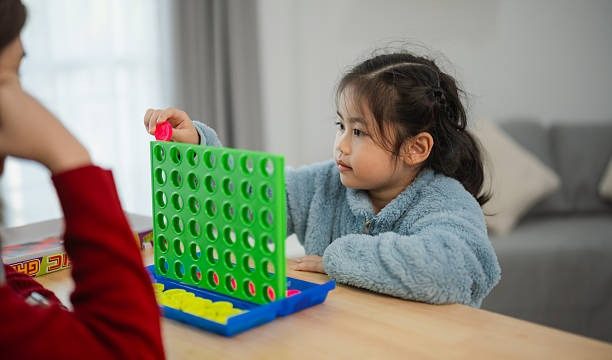
In our fast-paced world, the ability to solve problems is an invaluable skill.
Whether it’s navigating a tricky situation at work, finding ways to enhance personal relationships, or even tackling everyday challenges, honing this natural ability can lead to a more fulfilling life.
The good news is that everyone possesses a unique capacity for problem-solving. It’s about nurturing and developing this skill, allowing it to flourish in various aspects of our lives.
A gentle exploration of your mind’s landscape is a good starting point. Often, we underestimate the power of our thoughts. The way we perceive challenges can significantly influence our approach to solving them. When faced with a problem, take a moment to pause and reflect. Instead of immediately jumping into frantic solutions, breathe deeply and observe your thoughts. This simple act can create space for clarity and insight, transforming the way you approach difficulties.
Cultivating curiosity can also serve as a powerful tool. When you encounter a problem, ask yourself open-ended questions. What are the underlying causes? What alternatives might exist? By fostering a sense of curiosity, you shift your mindset from one of limitation to one of exploration. This shift can reveal new perspectives and avenues to consider, leading to innovative solutions that may not have been apparent at first glance.
Embracing creativity is another essential part of developing problem-solving skills. Often, we think of creativity as the domain of artists and musicians, but it is fundamentally about thinking outside the box. You can nurture your creative side by engaging in activities that inspire you, whether it’s painting, writing, or even cooking. Allowing your mind to wander and explore different ideas can lead to unexpected connections that enhance your ability to tackle challenges.
A quiet moment of reflection can also be beneficial. It’s easy to get caught up in the noise of daily life, but taking time to meditate or journal can help you process your thoughts and feelings. When you create a calm space for yourself, you may find that solutions come more naturally. This practice encourages you to listen to your intuition, which can often guide you toward the best path forward.
Another aspect to consider is the importance of collaboration. No one has all the answers, and sharing your challenges with others can bring fresh insights. Engaging in conversations with friends, family, or colleagues allows you to tap into a collective intelligence. You might be surprised at the solutions that emerge when different perspectives come together. Embracing collaboration not only enhances your problem-solving skills but also strengthens your relationships, creating a supportive network around you.
As you navigate through various challenges, it can be helpful to adopt a growth mindset. This approach encourages you to view obstacles as opportunities for learning rather than insurmountable barriers. When you embrace this perspective, you cultivate resilience. Each challenge becomes a stepping stone toward personal development, allowing you to approach future problems with greater confidence and ease.
A small shift toward balance can also enhance your ability to solve problems. Life can often feel overwhelming, and stress can cloud your judgment. Prioritizing self-care is essential in maintaining mental clarity. Simple practices such as regular exercise, a balanced diet, and sufficient sleep can significantly impact your overall well-being. When you feel good physically, you are better equipped to tackle the mental challenges that come your way.
Another gentle nudge toward improvement is the practice of mindfulness. Being present in the moment allows you to engage with your thoughts and feelings without judgment. When a problem arises, mindfulness can help you respond thoughtfully rather than react impulsively. This calm approach facilitates clearer thinking and allows you to weigh your options more effectively.
As you develop your problem-solving abilities, it’s important to remember that perfection is not the goal. Mistakes are a natural part of the learning process. When you encounter setbacks, try to view them as valuable lessons rather than failures. This perspective fosters a sense of compassion for yourself, allowing you to move forward with renewed determination.
Taking small, consistent steps can lead to significant changes over time. Rather than overwhelming yourself with grand ambitions, focus on incremental improvements. Celebrate the little victories along the way, whether it’s successfully navigating a challenging conversation or finding a solution to a minor issue. Each achievement builds your confidence and reinforces your ability to tackle more complex problems in the future.
Lastly, it’s essential to cultivate patience in your journey of developing problem-solving skills. Change doesn’t happen overnight, and the process can sometimes feel slow. Allow yourself the grace to grow at your own pace. With time, you will notice a shift in how you approach challenges, transforming them into opportunities for growth and discovery.
In conclusion, the ability to solve problems is not merely an innate talent but a skill that can be nurtured and developed. By exploring your thoughts, embracing curiosity and creativity, engaging with others, and practicing self-care, you can enhance your natural problem-solving abilities. Remember that every challenge is an opportunity to learn and grow. With patience and persistence, you will find that your capacity for solving problems expands, bringing greater balance and fulfillment into your life. Embrace the journey, and allow your natural abilities to shine.