In a world filled with constant activity, deadlines, and digital distractions, the simple act of walking can offer a profound sense of calm and clarity.
A relaxing walk does not require special equipment, intense training, or specific locations.
It is an accessible activity that allows the body to move gently while the mind enjoys a chance to wander and rest. Embracing walking as a peaceful practice can bring numerous benefits, from improving physical health to enhancing mental well-being, and can become a meaningful daily ritual.
One of the most enjoyable aspects of a relaxing walk is its accessibility. Unlike structured workouts or competitive sports, walking does not demand specialized knowledge or high levels of fitness. Whether it is a stroll through a local park, a quiet street in your neighborhood, or a scenic trail, walking is adaptable to nearly any environment. This simplicity allows anyone to participate, making it an inclusive activity that can easily become a regular part of life.
Walking offers physical benefits without the intensity often associated with exercise. Gentle movement strengthens muscles, supports cardiovascular health, and improves circulation. Regular walks can contribute to better posture, increased flexibility, and enhanced energy levels. Even short walks during the day help break long periods of sitting, supporting overall physical comfort and reducing stiffness. Unlike high-intensity workouts, walking is low-impact, making it suitable for people of all ages and abilities.
The mental benefits of a relaxing walk are equally significant. Walking provides an opportunity to clear the mind, reduce stress, and cultivate mindfulness. When walking at a comfortable pace, attention naturally shifts from worries and distractions to the rhythm of steps, breathing, and surrounding sights and sounds. This form of moving meditation encourages mental clarity and calm, helping to release tension accumulated throughout the day. The simplicity of walking allows the mind to slow down and find balance.
Nature enhances the restorative quality of a walk. Spending time outdoors exposes the senses to natural beauty, fresh air, and sunlight, all of which support emotional well-being. Observing trees, flowers, rivers, or the changing sky provides a sense of connection and perspective. Even in urban areas, green spaces or tree-lined streets can foster a similar sense of peace. Walking through natural or aesthetically pleasing environments encourages presence and appreciation for the world around us.
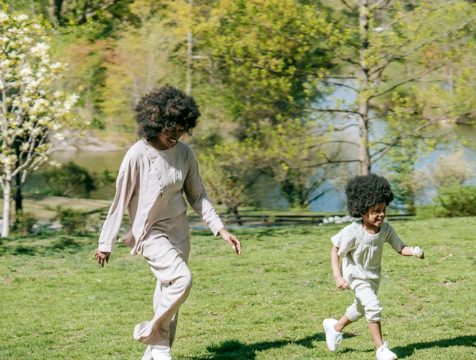
A relaxing walk can also nurture social connection. Walking with friends, family, or a partner allows for shared conversation and bonding in a low-pressure setting. Unlike structured activities, walking provides time and space for meaningful interaction without distractions or competitive elements. Even casual chats during a stroll contribute to a sense of connection and belonging, enhancing both mental and emotional well-being.
Mindfulness during a walk is a powerful way to deepen its benefits. Paying attention to the rhythm of your steps, your breathing, and the sensations in your body creates awareness and grounding. Noticing sounds, scents, and visual details sharpens focus and strengthens the ability to live in the present moment. This mindful approach transforms a simple walk into an intentional practice of relaxation and mental refreshment, encouraging calm and emotional balance.
Walking also offers a gentle way to reflect and problem-solve. The movement provides space for thoughts to flow naturally, often leading to new ideas, insights, or perspectives. Many people find that solutions emerge more easily while walking than during periods of stillness. This meditative aspect makes walking an effective tool for mental clarity, creativity, and decision-making, supporting both personal and professional life.
Flexibility and simplicity are central to enjoying a relaxing walk. There is no need to track distance, pace, or steps unless you choose to do so for personal interest. The focus is on comfort, enjoyment, and the experience itself. Whether the walk lasts five minutes or an hour, indoors or outdoors, in solitude or with company, the benefits remain significant. Embracing this flexibility ensures that walking remains a pleasurable and sustainable activity rather than a task.
Walking can also complement other wellness practices. A short stroll before or after meals aids digestion, while a morning walk can provide a gentle start to the day, setting a positive tone. Evening walks promote relaxation and help transition from busy daytime activity to rest. Integrating walking into daily routines in these simple ways enhances physical and mental well-being, creating a natural rhythm that supports overall health.
The act of walking encourages gratitude and appreciation. Observing surroundings, noticing changes in nature, or simply enjoying the rhythm of steps fosters awareness of the present moment. Walking invites pauses to appreciate beauty, breathe deeply, and acknowledge personal progress or achievements. This focus on simple pleasures nurtures positivity and emotional balance, reinforcing the value of a slow, mindful approach to life.
Walking can also provide a sense of accomplishment without pressure or intensity. Completing a walk, even a short one, offers satisfaction and contributes to a feeling of purpose. Unlike more demanding forms of exercise, walking’s gentle pace ensures that success is easily achievable, encouraging regular participation. The combination of physical movement, mental clarity, and emotional fulfillment creates a holistic sense of well-being.
For those seeking a deeper sense of peace, walking can be combined with reflective practices such as meditation, breathing exercises, or silent contemplation. Paying attention to posture, stride, and breath while walking enhances body awareness and promotes relaxation. This approach transforms a routine stroll into a mindful ritual, reinforcing the benefits of calm, presence, and self-connection.
Finally, the simplicity of walking makes it an ideal tool for long-term wellness. Unlike specialized sports or high-intensity activities that may require equipment, scheduling, or technical knowledge, walking remains accessible and sustainable. Its adaptability ensures that it can be integrated into various life circumstances, seasons, and locations, providing a consistent source of physical and mental nourishment.
In conclusion, the simple pleasure of a relaxing walk lies in its accessibility, flexibility, and holistic benefits. Walking supports physical health, enhances mental clarity, encourages mindfulness, fosters social connection, and promotes emotional balance. By embracing walking as a gentle, intentional practice, you can create a routine that refreshes the body, calms the mind, and enriches everyday life. The beauty of walking is that it requires nothing more than presence and movement, offering a sustainable and peaceful path to well-being that can be enjoyed by anyone, at any pace, and in any setting.